

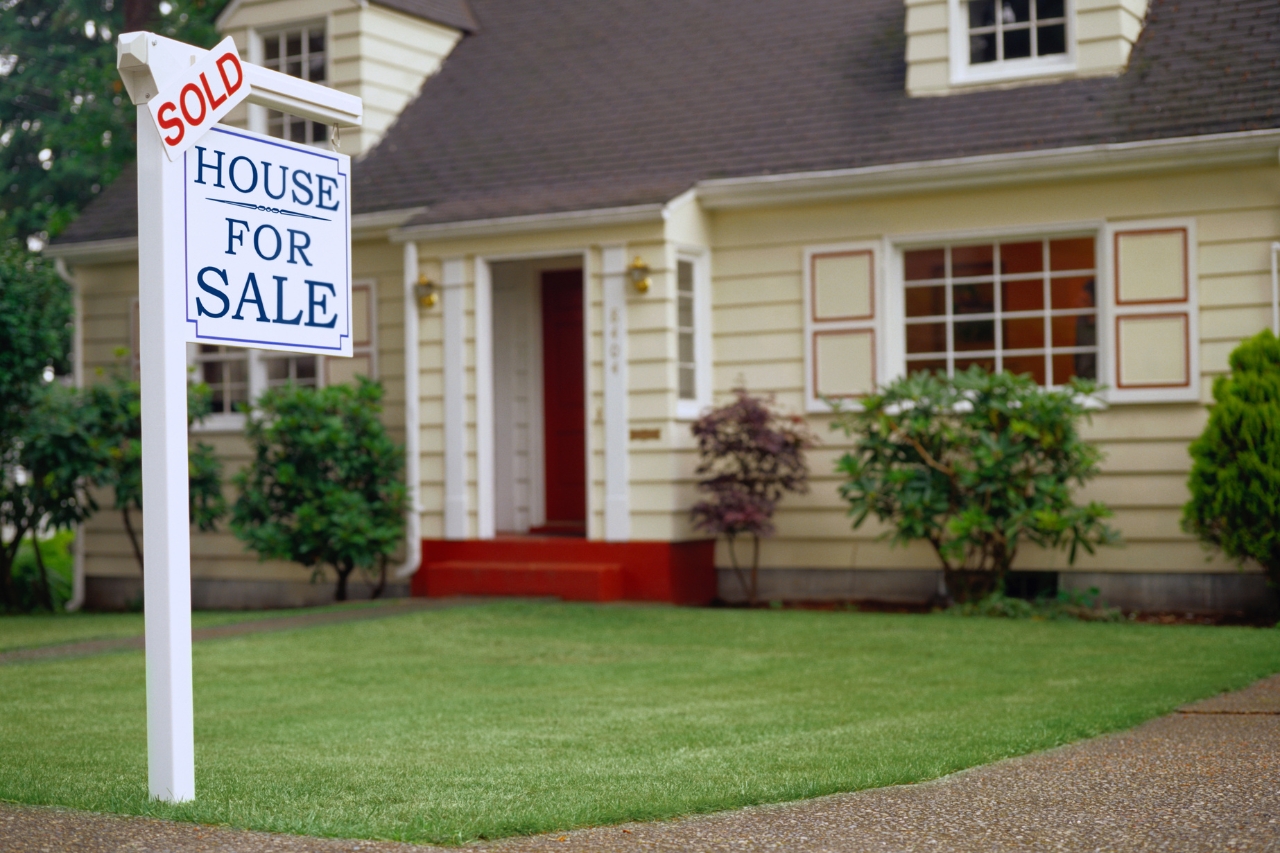
Preparing a property for the real estate market is often a demanding process, particularly when you are still living in the house. Thanks to the ongoing influence of popular Australian renovation television programmes, professional presentation is no longer reserved exclusively for multi-million-dollar luxury properties. It has become a baseline expectation for everyday suburban listings. Furthermore, because house hunting begins online through competitive portals, your property needs to capture attention instantly. Unstaged or heavily cluttered homes are frequently scrolled past before an inspection is even considered.
Editing and Decluttering First
Before any new decorative items are introduced, homeowners must complete a rigorous decluttering phase. A space that feels cramped or highly personalised makes it difficult for prospective buyers to appreciate the true dimensions of the floor plan. Start by packing away family photographs, excess ornaments, and bulky storage items. By clearing the visual noise, you create a blank canvas that highlights the property’s architectural features. For everyday homeowners preparing to sell, exploring excellent practical decor ideas can make this intensive clean-up process much easier to manage. Once the space is clear, a deep clean of carpets, windows, and skirting boards is essential to ensure the home feels fresh and well maintained.
Integrating Professional Touches
You do not necessarily need to move out and hire a completely new set of furniture to achieve a premium look. Many sellers opt to blend their own high-quality items with expertly chosen modern artwork, rugs, and soft furnishings. This method, widely known as partial home styling, is an incredibly cost-effective strategy. It allows a professional stylist to edit your existing layout and introduce carefully curated hero pieces that elevate the overall aesthetic. A standard turnaround for an occupied three-bedroom home can often be completed in just one day. This might involve quickly storing excess items in the morning and installing the fresh staging pieces in the afternoon, just before the real estate photography takes place. Best of all, vendors can comfortably remain in the property during the typical four to six-week sales campaign without enduring the massive disruption of moving into a short-term rental.
The Financial Power of Presentation
Before diving into further aesthetic improvements, it helps to understand why visual presentation matters so much. Staging a property goes beyond making a space look attractive. It helps buyers mentally move in, making emotional connections that often translate into higher offers rather than purely logical financial decisions. Recent real estate data suggests that a staging investment of just one to one and a half per cent of a home’s value yields the highest returns. Real estate professionals broadly agree on this value, noting in an industry survey that 87 per cent of agents believe styling leads to a higher sale price, while 70 per cent say it helps homes sell faster styled rather than empty. These numbers highlight how a beautifully curated home gives sellers a distinct competitive edge.
Focus on the Hero Rooms
When you are living in a home during the sales campaign, keeping the entire house in pristine, showroom-ready condition every single day is exhausting. To maximise your return on investment while maintaining your sanity, focus your styling efforts on the areas that have the highest impact on a buyer’s initial impression.
Consider prioritising these key spaces:
- The Living Room: This is the heart of the home. Create conversational seating arrangements by floating furniture away from the walls. Use textured throws and neutral cushions to add warmth and a welcoming atmosphere.
- The Kitchen: Clear all benchtops of everyday appliances, dish racks, and clutter. A simple bowl of fresh fruit or a stylish vase of greenery is all you need to make the space feel aspirational and ready for entertaining.
- The Master Bedroom: This space should feel like a luxurious sanctuary. Invest in crisp white linens, matching bedside lamps, and plush European pillows to create a high-end, hotel-like retreat.
- The Dining Room: Ensure the table is free from daily mail or school bags. A striking centrepiece or a well-placed rug underneath can define the dining zone beautifully, even in open-plan layouts.
Selling an occupied home requires a careful balance between everyday functionality and aspirational design. By decluttering rigorously, focusing on key rooms, and incorporating strategic professional elements, you can present a stunning property that resonates with buyers. With the right approach, your lived-in home can effortlessly meet the high expectations of today’s competitive property market.
