

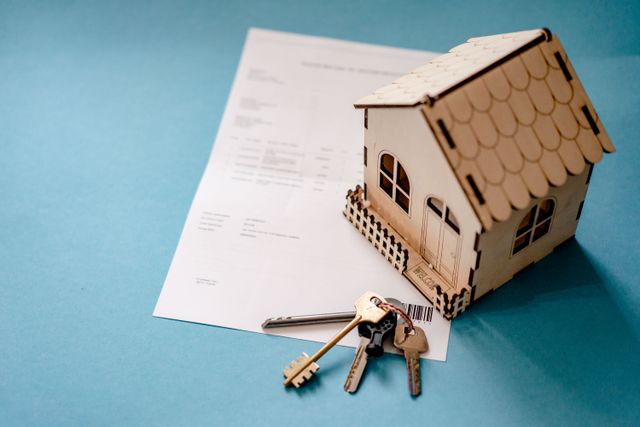
Deciding whether to rent or buy a home is one of the most important financial choices you will make, especially in today’s rapidly shifting housing market. Recent changes in market conditions have left many Texans and residents of other major cities wondering which path makes better sense for their current and future needs. As you weigh your options, understanding affordability, market trends, and your financial outlook is key. For those exploring practical solutions, Direct home buyers in Dallas, TX can offer guidance tailored to local circumstances. With home prices reaching new highs and mortgage interest rates remaining elevated, the debate between renting and buying is more complicated than ever. Both paths have their own pros and cons. The right decision depends on more than just the numbers. Factors like lifestyle, job flexibility, and long-term personal goals all play critical roles. It is essential to assess your finances and aspirations thoroughly to make a decision that truly aligns with your goals. Renting may currently seem more financially prudent in most U.S. cities, but exceptions exist. Taking time to research your local housing market and seeking advice from trusted professionals is crucial. Reliable market information, as well as local expertise, empowers you to avoid pitfalls and make a balanced choice in 2026. For those interested in unconventional pathways and need to sell quickly, working with a Cash home buying company in Dallas, TX might offer alternatives not found in the traditional real estate market.
Current Market Trends
Market analysts continue to highlight that renting is more affordable than buying in nearly every major U.S. city. As reported, renters in 2026 pay roughly 38% less per month than buyers with new mortgages. This pattern is explained by high mortgage rates, which hover above 6%, and home prices that have climbed to unprecedented levels. High housing demand and low inventory are also contributing to pricing pressures, keeping both rents and home prices elevated but leaving ownership less attainable for many families and young professionals.
Financial Considerations
Financial analysis should always play a foundational role in your rent vs. buy decision. Here are the major factors to assess:
- Upfront Costs: Buying often demands a substantial down payment (typically 10% to 20% of the purchase price), along with closing costs, moving expenses, and possible renovations. Renting usually only requires a security deposit and possibly one or two months’ rent upfront.
- Monthly Expenses: Owning brings predictable mortgage payments, but also variable costs for property taxes, insurance, repairs, and maintenance. Renters pay a consistent monthly rent, sometimes with utilities included, and experience fewer surprise expenses.
- Long-Term Investment: Real estate is often seen as a wealth-building tool; monthly mortgage payments build equity. However, home prices can fluctuate, introducing investment risk.
Carefully compare your cash flow, savings, and risk tolerance against these categories to determine which option offers the most security and opportunity.
Pros and Cons of Renting
Pros
- Flexibility: Renters can more easily relocate for job or lifestyle changes.
- Lower Initial Costs: Minimal upfront financial commitment compared to purchasing.
- Maintenance-Free Living: Landlords usually handle repairs and groundskeeping.
Cons
- No Equity Building: Rent does not build personal wealth or ownership.
- Rent Hikes: Tenants may face annual increases in their rent.
- Customization Limits: Most leases restrict remodeling or significant changes to the living space.
Pros and Cons of Buying
Pros
- Equity Growth: Mortgage payments build property ownership over time.
- Payment Stability: Fixed-rate mortgages provide predictable housing costs compared to potentially rising rents.
- Freedom to Personalize: Owners can renovate, paint, and landscape as they wish.
Cons
- High Upfront Expenses: Buying requires a significant financial outlay at the start.
- All Maintenance on You: Homeowners bear full responsibility for repairs and maintenance.
- Market Volatility: Shifts in local real estate markets can impact your home value, creating investment risk.
Regional Variations
Not all regions follow the national trend. For example, Pittsburgh stands out as a rare market where buying is cheaper than renting. According to recent reports, homeowners in Pittsburgh save about $111 per month compared to renters. This pattern is driven by the city’s relatively low home prices and the pace of appreciation. In contrast, high-demand markets like San Francisco and New York see much larger disparities in favor of renting. Home seekers must examine their local data to make well-informed decisions about affordability and opportunity.
Making the Decision
Every housing decision is personal. To make the right choice, start with a careful review of your finances, including emergency savings, credit score, and job security. Next, clarify your long-term objectives. Do you plan to settle down for several years, or do you expect to relocate soon? Investigate market trends in your desired neighborhoods, using resources, and consult both financial advisors and local real estate agents for expert input.
- Assess Financial Health: Examine your budget, savings, and credit profile to ensure readiness.
- Set Your Timeline: Consider your life plans, such as job prospects or family changes.
- Explore the Market: Dive into both the housing and rental data in your preferred area.
- Seek Expert Advice: Rely on insights from financial consultants and real estate professionals.
Balancing these considerations will help you find a solution that fits your financial picture and life goals. You may even discover new options in today’s evolving real estate landscape that you had not previously considered.
Conclusion
Choosing whether to rent or buy a home in today’s market requires balancing financial realities with your long-term goals. While renting remains the more affordable option in many major U.S. cities due to elevated home prices and mortgage rates, homeownership can still offer lasting benefits, such as equity growth, stable payments, and greater control over your living space. The right decision depends on factors including your budget, job stability, plans, and the conditions in your local housing market. By carefully evaluating the costs and benefits of each option, researching regional trends, and seeking guidance from trusted financial and real estate professionals, you can make a well-informed decision that supports both your current needs and your long-term financial well-being.
