

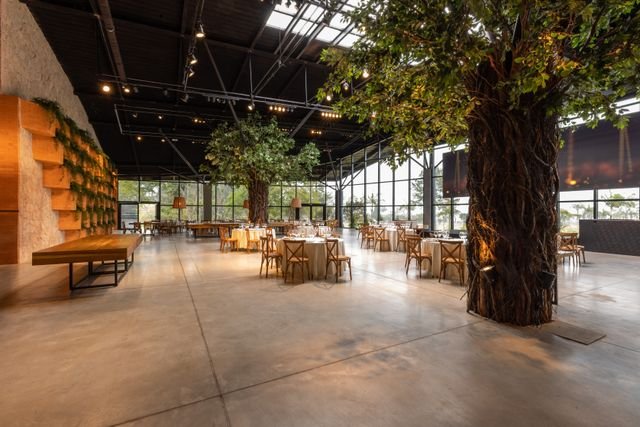
Artificial trees are ideal for decorating hard-to-reach areas because they bring greenery to awkward spaces without demanding regular watering, pruning or access to natural sunlight. From high-ceiling corners to spaces behind furniture, large artificial trees (this is commonly referred to as ต้นไม้เทียมขนาดใหญ่ in Thai) can introduce botanical character where caring for living plants might be inconvenient. Once positioned correctly, they can remain attractive with relatively simple occasional cleaning, making previously ignored areas feel intentionally styled.
Some Spaces Are Difficult for Living Plants
Every home seems to have at least one awkward spot. It might be a corner beside a staircase, an area behind a sofa or a space that receives almost no daylight.
A real plant placed there may require frequent moving for watering or better sunlight. Reaching it can quickly turn a simple care routine into an unwanted household task.
Artificial trees remove many of these concerns. They do not depend on windows, humidity or watering schedules, giving homeowners greater freedom to decorate according to the room rather than the plant’s growing requirements.
High Ceilings Need More Than Small Decorations
Rooms with tall ceilings can feel impressive, but they also create decorating challenges. Small plants and accessories may look insignificant when surrounded by large expanses of wall.
A tall artificial tree can occupy some of this vertical space without requiring someone to regularly reach upper branches for plant care. Its canopy draws the eye upwards and helps connect furniture at floor level with the architecture above.
This can work particularly well in entrance halls, living rooms and spaces beside staircases.
Awkward Corners Can Finally Have a Purpose
An unused corner does not always need another chair, cabinet or side table. Sometimes adding furniture simply creates more clutter.
Artificial trees can provide visual interest while requiring relatively little usable floor area. They are especially helpful for places such as:
- Corners behind sectional sofas
- Spaces beside staircases
- Areas underneath high windows
- Wide entrance halls
- Empty sections of open-plan rooms
- Corners that receive limited daylight
The right tree can make these locations appear deliberately decorated rather than forgotten.
No Sunlight Means More Styling Freedom
Natural light often determines where living plants can realistically be placed. Artificial greenery changes that relationship.
A darker hallway can have leafy decoration. A windowless corner can feature an olive-inspired tree. Even an interior room far from direct sunlight can gain botanical character.
This gives homeowners greater creative control. Instead of asking, “Will a plant survive here?”, they can focus on whether its height, shape and foliage complement the surrounding décor.
Maintenance Becomes Much Simpler
Hard-to-reach decorations should ideally require little attention. Nobody wants to repeatedly move heavy furniture just to water a plant.
Artificial trees generally require occasional dust removal rather than ongoing horticultural care. A soft cloth, duster or other appropriate cleaning method can help keep foliage looking presentable.
Placement still deserves thought. Choosing the correct tree and planter from the beginning can reduce the need for frequent rearranging later.
Let Forgotten Spaces Become Features
Good interior design often comes down to noticing areas that usually receive little attention. That shadowy corner or difficult space beside the stairs may have more decorative potential than expected.
Artificial trees provide a practical way to introduce greenery into these challenging areas without creating a demanding maintenance routine. For homeowners and designers searching for different botanical styles and sizes, Flower Richcy offers a collection of artificial trees suited to a variety of interior settings. Explore the range and give those difficult-to-decorate spaces a more considered purpose.
