


We spend most of our lives inside our homes. This makes our heating and cooling systems essential for our comfort and well-being. When these systems unexpectedly fail, especially during Tacoma’s chilly, wet winters, it can quickly turn a normal day into a stressful situation. It can even become a real emergency.
Knowing when an HVAC problem needs immediate professional help is crucial. Waiting too long can lead to more expensive repairs, greater discomfort, or even safety risks. But how do we tell the difference between a minor issue and a true emergency call?
This guide is here to help us understand those urgent moments. We will explore the critical signs of HVAC emergencies and learn exactly when to call for immediate assistance. We’ll also discuss how proactive measures, like regular and affordable heating maintenance, can prevent many sudden system failures. For a deeper dive into how professionals expertly design install and service heating units for longevity and efficiency, you can explore further resources. Our aim is to empower you to make smart choices for your home’s comfort and safety.
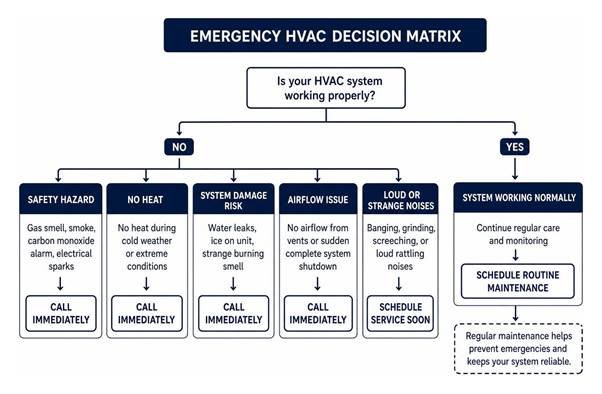
What Constitutes an Emergency HVAC Service Need?
An HVAC emergency isn’t just an inconvenience; it’s a situation that poses an immediate threat to your home’s safety, the health of its occupants, or the integrity of the heating and cooling system itself. Recognizing these critical scenarios can help us act quickly and prevent more severe consequences.
Extreme Temperatures and Safety Risks
Tacoma’s climate, with its damp, cool winters and occasional summer heatwaves, can make a sudden HVAC failure more than just uncomfortable. It can become genuinely dangerous, particularly for vulnerable individuals.
During freezing temperatures, a complete loss of heat can quickly lead to dangerous indoor conditions. Pipes can freeze and burst, causing extensive water damage that is costly and disruptive to repair. More critically, prolonged exposure to cold temperatures can lead to hypothermia, especially for infants, the elderly, or those with pre-existing health conditions. Without a functioning heating system, the risk of developing cold-related illnesses increases significantly. Conversely, during unexpected summer heatwaves, a non-functional air conditioning system can expose residents to heatstroke and dehydration, which are serious medical emergencies.
The safety of your family is paramount. If your heating or cooling system completely fails during periods of extreme weather, and you have vulnerable residents in your home, it is undoubtedly an emergency. Professional intervention is required immediately to restore safe living conditions and protect against health risks.
When to Seek Emergency HVAC Service for Electrical Issues
Electrical problems within an HVAC system are often clear indicators of an emergency. These issues can quickly escalate from a minor annoyance to a significant fire hazard if not addressed promptly by a qualified technician.
One common sign is frequently tripped breakers dedicated to your HVAC unit. While an occasional trip might be due to an overloaded circuit, repeated trips suggest a deeper electrical problem within the system, such as a short circuit or a failing component drawing too much power. This requires professional diagnosis to prevent further damage or fire.
More alarming signs include burning smells emanating from your vents or near the HVAC unit. This odor often indicates overheating wires, motors, or other electrical components. Similarly, visible electrical sparks or flashes from the unit are an immediate cause for concern. These are strong indicators of wiring damage, loose connections, or component failure that could ignite nearby combustible materials.
Never attempt to fix complex electrical issues yourself. The risk of electric shock or fire is too high. If you notice any of these electrical warning signs, it’s crucial to shut down your HVAC system at the thermostat and the circuit breaker, and then contact an emergency HVAC service provider without delay.
Carbon Monoxide and Gas Leak Warnings
Perhaps the most dangerous HVAC emergencies involve the potential for carbon monoxide (CO) leaks or natural gas leaks. These odorless, colorless gases can be deadly and demand immediate action.
Carbon monoxide is a byproduct of incomplete combustion in fuel-burning appliances like furnaces. A faulty furnace or blocked flue can allow CO to accumulate in your home. Symptoms of CO poisoning include headaches, dizziness, nausea, and confusion, which can easily be mistaken for other illnesses. The presence of a carbon monoxide detector is vital. If your CO detector alerts, or if you suspect a CO leak, evacuate your home immediately, call 911, and then contact an emergency HVAC service once the area is deemed safe. Do not re-enter your home until first responders and HVAC professionals have confirmed it is safe.
Natural gas leaks, while often identifiable by a distinct sulfur-like odor (like rotten eggs), can also be incredibly dangerous due to the risk of explosion. If you smell natural gas, hear a hissing sound near gas lines, or notice any other signs of a leak, evacuate your home, call your gas company or 911 from a safe distance, and do not use any electrical switches or appliances. Once the immediate danger is addressed by emergency services, an HVAC technician can inspect your gas furnace and lines for the source of the leak and perform necessary repairs.
These gas-related emergencies underscore the critical importance of regular maintenance, which includes checks for proper combustion and ventilation to prevent such life-threatening situations.
Critical Signs Your Heating or Cooling System is Failing
Beyond immediate safety threats, certain operational failures in your heating or cooling system signal a need for urgent professional attention. Ignoring these signs can lead to more extensive damage, higher repair costs, and prolonged discomfort.
Here’s a comparison of typical repairs versus emergency situations:
Standard Repair Situation Emergency Situation Minor temperature fluctuations Complete loss of heating/cooling in extreme weather Occasional strange noise (e.g., small rattle) Loud grinding, screeching, or banging noises Slightly reduced airflow No airflow from vents Higher-than-normal energy bills Burning smells or visible sparks from unit System runs longer than usual Repeatedly tripped circuit breaker for HVAC Thermostat display issues Carbon monoxide detector alarm or gas smell Small water leak (e.g., from condensate drain) Significant water leak causing property damage Complete System Failure in Severe Weather
A complete loss of heating or cooling is perhaps the most obvious sign that something is seriously wrong. When this occurs during severe weather conditions, it immediately elevates the situation to an emergency.
Imagine Tacoma’s winter, with temperatures hovering near freezing and a cold rain falling. If your furnace suddenly stops producing heat, your home’s indoor temperature can drop rapidly. This isn’t just about comfort; it’s about preventing frozen pipes, protecting delicate electronics, and ensuring the well-being of your family. Similarly, during a summer heatwave, a non-functional air conditioner can quickly turn your home into an oven, making it unsafe for occupation.
In these scenarios, an emergency response from an HVAC professional is essential. They can quickly diagnose the problem and work to restore your system, protecting your home and its occupants from the harsh outdoor elements. Delaying service could result in significant property damage or health risks that far outweigh the cost of an urgent call.
Strange Noises and Poor Airflow
While some HVAC noises are normal, certain sounds and airflow issues are red flags that indicate an impending or current system failure requiring urgent attention.
Loud, unusual noises such as screeching, grinding, clanking, or banging should never be ignored. A screeching sound often points to a failing motor bearing, which can seize up and cause the entire blower motor to burn out if not addressed. Clanking or banging might indicate a loose or broken part within the system, such as a fan blade hitting the casing or a component that has come detached. These issues can quickly lead to more extensive and expensive damage if the system continues to operate.
Equally critical is a sudden and significant reduction in airflow, or a complete lack of air coming from your vents. This could be due to a major blockage, a malfunctioning blower motor, or severe issues with your ductwork. Without proper airflow, your system cannot effectively heat or cool your home, leading to discomfort and potential overheating of the unit itself. For example, a failing blower motor can cause the heat exchanger in a furnace to overheat, which is a serious safety concern.
If you notice persistent strange noises or a dramatic decrease in airflow, it’s wise to turn off your system and contact a professional. Continuing to run a system with these symptoms can exacerbate the problem, turning a potentially minor repair into a major breakdown.
How Preventative Care Minimizes Urgent System Failures
While it’s crucial to know when to call for emergency service, the best approach to HVAC care is proactive prevention. Regular, affordable heating maintenance is the cornerstone of avoiding those stressful, costly emergency breakdowns. By investing a little time and money into routine care, homeowners can significantly extend the lifespan of their systems, improve efficiency, and ensure reliable comfort year-round.
The Role of Regular Maintenance
Regular maintenance, typically scheduled annually, is not just a recommendation; it’s a vital investment in your home’s comfort and safety. These annual tune-ups are designed to catch minor issues before they escalate into major problems. During a professional maintenance visit, technicians perform a comprehensive inspection, cleaning, and calibration of your system.
This includes checking electrical connections, lubricating moving parts, cleaning coils and burners, inspecting the heat exchanger for cracks, and verifying refrigerant levels (for heat pumps). These actions ensure that all components are functioning optimally, reducing wear and tear, and preventing unexpected failures. For instance, a dirty air filter or clogged evaporator coil forces your system to work harder, increasing energy consumption and accelerating component wear. A professional tune-up addresses these issues, ensuring peak performance.
Furthermore, regular maintenance helps maintain system efficiency, which translates directly into lower energy bills. A well-maintained system uses less energy to heat or cool your home, saving you money over time. It also helps validate manufacturer warranties; many warranties require proof of annual professional maintenance to remain valid. In Tacoma’s damp climate, where systems can be prone to rust and corrosion, consistent care is even more critical for preserving system longevity. By understanding the importance of regular upkeep, homeowners can make informed decisions about their heating and cooling needs, ensuring their systems are always ready to perform.
Simple Homeowner Steps Before Calling for Emergency HVAC Service
While professional maintenance is indispensable, there are several simple steps homeowners can take to troubleshoot minor issues and potentially avoid an emergency call. These actions can often resolve common problems or at least help you provide valuable information to a technician if a call is still necessary.
First, check your thermostat settings. Ensure it’s set to the correct mode (heat or cool) and temperature. Sometimes, a simple oversight or an accidental change can be the culprit. If your thermostat runs on batteries, replace them, as low battery power can cause erratic behavior.
Next, inspect your air filters. A clogged or dirty air filter can severely restrict airflow, causing your system to work harder, reduce efficiency, and even lead to overheating. Replace disposable filters every 1-3 months, or clean reusable ones according to manufacturer instructions. This is one of the easiest and most impactful maintenance tasks you can perform.
Check your circuit breakers. As mentioned earlier, a tripped breaker can sometimes be a simple fix. Locate your electrical panel and reset any tripped breakers associated with your HVAC system. If the breaker immediately trips again, do not force it, as this indicates a more serious electrical problem requiring professional attention.
Finally, ensure all supply and return air vents are open and unobstructed. Blocked vents can disrupt airflow, leading to uneven heating or cooling and putting strain on your system. Clear any furniture, drapes, or debris that might be blocking them.
Performing these basic checks can often resolve minor issues without the need for a service call. If these steps don’t fix the problem, or if you observe any of the emergency signs discussed earlier, then it’s time to contact a qualified HVAC professional.
Frequently Asked Questions About Urgent HVAC Issues
Understanding the nuances of HVAC emergencies can be daunting. To help clarify common concerns, here are answers to some frequently asked questions regarding urgent heating and cooling problems. These insights can help homeowners make informed decisions about troubleshooting, safety protocols, and when to seek professional assistance.
What is considered an HVAC emergency?
An HVAC emergency is generally defined by any situation that poses an immediate threat to safety, health, or significant property damage. This includes:
- Complete loss of heating or cooling during extreme weather conditions: If temperatures are dangerously low or high, especially with vulnerable individuals in the home.
- Carbon monoxide detector alarms or the smell of natural gas: These are critical safety hazards requiring immediate evacuation and professional intervention.
- Burning smells, visible sparks, or smoke coming from your HVAC unit: Strong indicators of electrical malfunction or fire risk.
- Repeatedly tripped circuit breakers dedicated to your HVAC system: Suggests a serious electrical issue that could lead to fire.
- Significant water leaks from the unit that are causing property damage: Can lead to structural issues, mold growth, and costly repairs if not stopped quickly.
- Loud, unusual noises accompanied by system malfunction: Sounds like grinding, screeching, or banging often indicate severe mechanical failure that could worsen rapidly.
If you encounter any of these scenarios, it’s crucial to prioritize safety and contact an emergency HVAC service provider promptly.
Can I run my system if it is making loud noises?
Generally, no. If your HVAC system is making loud, unusual noises such as grinding, screeching, clanking, or banging, it’s advisable to turn it off immediately. Continuing to run a system with these symptoms can lead to more severe damage to internal components.
For instance, a screeching sound often indicates a failing motor bearing, which, if ignored, can cause the motor to seize and potentially burn out. A clanking noise might mean a loose or broken part is moving freely within the system, which could damage other critical components if the system continues to operate. What might start as a relatively minor repair could quickly escalate into a much more expensive replacement of a major component or even the entire unit.
Turning off the system prevents further damage and reduces the risk of a complete breakdown. Once the system is off, contact a qualified HVAC technician to diagnose the source of the noise and perform the necessary repairs. They will be able to assess the extent of the damage and recommend the safest and most effective solution.
How can I prevent sudden heating failures in winter?
Preventing sudden heating failures, especially during Tacoma’s cold and damp winters, primarily comes down to proactive maintenance and attentiveness. Here are key strategies:
- Schedule Annual Professional Maintenance: This is the most effective preventative measure. A technician will inspect, clean, and tune up your system before the heating season begins (ideally in the fall). They can identify and address minor issues like worn belts, dirty components, or weak electrical connections that could lead to a breakdown.
- Regularly Change or Clean Air Filters: A dirty filter restricts airflow, forcing your furnace to work harder and increasing the risk of overheating or component failure. Check your filter monthly and replace or clean it as needed, typically every 1 to 3 months.
- Listen for Unusual Noises: Pay attention to any new or strange sounds coming from your furnace. Early detection of unusual noises can allow for timely repairs before a component completely fails.
- Monitor Energy Bills: A sudden, unexplained spike in your heating bill could indicate that your system is losing efficiency, often a precursor to a problem.
- Keep Vents Unobstructed: Ensure all supply and return air vents are clear of furniture, drapes, or other obstructions to allow for proper airflow.
- Test Carbon Monoxide Detectors: Regularly test your CO detectors (and smoke detectors) to ensure they are functioning correctly, as they are crucial for detecting dangerous gas leaks.
- Address Minor Issues Promptly: Don’t put off small repairs. A minor issue today can quickly become a major breakdown tomorrow if left unaddressed.
By following these preventative steps, you can significantly reduce the likelihood of experiencing a sudden and inconvenient heating failure when you need your system most.
Conclusion
Our homes are our sanctuaries, and a reliable heating and cooling system is fundamental to our comfort and safety within them. Understanding the difference between a routine HVAC issue and an emergency is not just about convenience; it’s about protecting our families and our property. From the immediate dangers of carbon monoxide and electrical hazards to the critical need for heat during Tacoma’s cold winters, recognizing the signs of an HVAC emergency empowers us to act decisively.
While know when to call for urgent professional help, the most effective strategy for home comfort is always proactive care. Regular, affordable heating maintenance is the best defense against unexpected breakdowns, ensuring your system runs efficiently, extends its lifespan, and provides consistent warmth or cooling when you need it most. By combining diligent homeowner checks with professional tune-ups, we can significantly reduce the likelihood of facing a stressful, costly emergency.
Prioritizing the health of your HVAC system means prioritizing the health and safety of your home. Stay informed, stay vigilant, and always remember that when in doubt, a call to a trusted HVAC professional can provide peace of mind and prevent a minor problem from escalating into a major crisis.
