

In Webster, TX, a vehicle can go from a hot parking lot to a sudden rainstorm, then spend the evening on congested roads near Clear Lake, NASA Parkway, or I-45. That combination puts steady pressure on paint, tires, cabin materials, and visibility. Considering ceramic coating for cars in Webster, TX, can be one part of a broader approach, particularly for drivers who want to make washing easier and help preserve a well-kept finish.
Vehicle protection works best when each choice addresses a specific problem. Window film may help manage glare and solar exposure, but it will not prevent brake dust from building up on wheels. A paint treatment can support exterior care, but it will not stop food spills, wet shoes, and sunscreen residue from wearing down the cabin. The goal is a sensible routine that matches how and where the vehicle is actually used.
Outdoor parking is especially demanding in the Webster area. Direct sunlight can make a dashboard and steering wheel uncomfortably hot, while moisture and road grime can collect around door jambs, wheels, trim, and seals. Early maintenance is generally easier than trying to revive neglected paint, cloudy glass, stained upholstery, or cracked trim later.
Heat And Glare In Webster Driving
Heat and glare affect more than comfort. Low morning or late-afternoon sun can make it harder to see traffic lights, mirrors, dashboard screens, and pedestrians. A clean windshield, functional wipers, and streak-free interior glass create a better starting point before any product is added.
Drivers searching for automotive ceramic coating near me often focus on paint care, but cabin comfort deserves equal attention in a hot Texas climate. Visible light, ultraviolet radiation, and infrared energy are different factors. A darker-looking film is not automatically the strongest choice for heat control, and a lighter performance film may better suit someone who frequently drives at night.
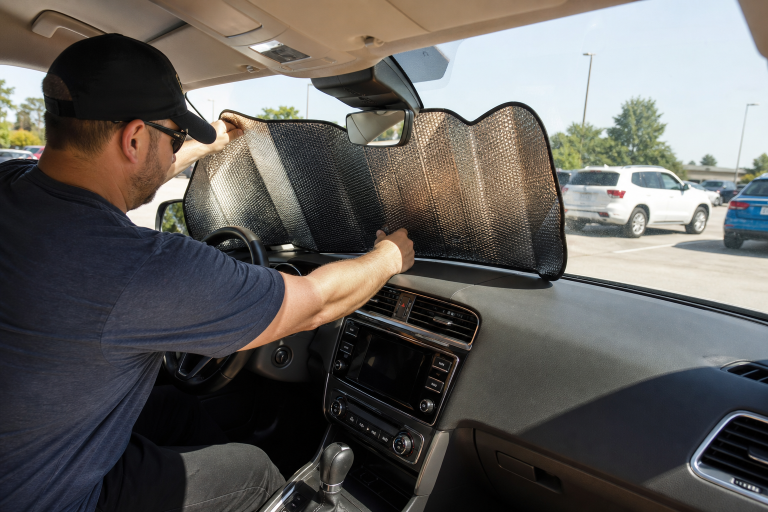
Use layered strategies for hot-weather parking. A reflective sunshade, shaded parking when available, clean glass, and properly selected window film can all contribute to a more comfortable cabin. These steps can also reduce the repeated exposure that contributes to drying, fading, and discoloration of interior materials over time.
Choosing Window Film Without Losing Visibility
The right window film depends on the vehicle, the driver’s schedule, parking habits, budget, and tolerance for nighttime visibility. Rather than choosing based only on shade, compare specifications such as visible light transmission, ultraviolet rejection, infrared performance, reflectivity, warranty coverage, and compatibility with antennas or sensors.
Common Film Categories
- Dyed film: Often selected for basic glare reduction and privacy at a lower price point.
- Carbon film: A middle-ground option that can provide a stable appearance and improved solar control.
- Ceramic film: A premium option designed for stronger heat and ultraviolet management without a metallic construction.
- Clear performance film: Useful for drivers who want solar protection while retaining a lighter factory-style appearance.
Before installation, ask whether the final reading accounts for both the original factory glass and the applied film. Also, ask about curing instructions, edge care, and the best way to clean the glass afterward. Abrasive pads, ammonia-heavy cleaners, and sharp tools can shorten the life of a film installation.
Checking Texas Tint Requirements
Texas requirements should be confirmed before selecting any shade, especially for the windshield and front side windows. The Texas window tinting standards explain limits involving light transmission, reflectivity, windshield placement, labels, and medical exceptions. Rules apply to the finished glass assembly, not merely the number printed on a roll of film.
- Review requirements for each window position before choosing a film.
- Ask for documentation showing the film’s performance rating.
- Avoid prohibited colored or reflective materials.
- Keep required medical-exception documentation in the vehicle when applicable.
- Have the completed windows been measured to determine if there is any uncertainty?
Protecting The Interior From Sun And Wear
Interior protection is more than a quick vacuum. Fine sand, dust, pet hair, and snack crumbs settle into seams, carpet fibers, seat tracks, and vents. Wipe up spills promptly, use surface-specific cleaners, and test a new product in a concealed location before applying it broadly. Strong cleaners can leave leather, vinyl, touchscreens, and textured plastic looking worse than before.
Window condition can influence solar exposure inside a vehicle. A field study of ultraviolet radiation through vehicle glass found that exposure varied by vehicle and glazing conditions, reinforcing the value of combining glass protection with sunshades and routine interior care. Vacuum monthly, clean high-touch surfaces regularly, and use manufacturer-approved protectants sparingly.
Paint, Glass, Wheels, And Tires
Webster vehicles encounter rain, roadside grime, insects, tree debris, and brake dust throughout the year. Rinse loose grit before wiping paint, use clean microfiber towels, and remove bird droppings or tree sap quickly. These contaminants can become harder to remove when they sit in the heat.
A Practical Exterior Checklist
- Inspect the windshield for small chips before they spread.
- Clean wheels frequently enough to prevent brake dust from bonding to the finish.
- Check tire pressure when tires are cold.
- Look for uneven tread wear, sidewall damage, and embedded debris during washes.
- Rotate tires according to the vehicle manufacturer’s schedule.
- Choose wax, sealant, ceramic coating, or paint protection film based on parking conditions and driving habits, not hype.
Vehicle Electronics And Accessories
Dash cameras, phone mounts, remote-start systems, parking sensors, and upgraded audio can make daily driving easier when installed correctly. Keep wiring away from pedals, steering components, and airbag zones. Confirm that a parked accessory will not drain the battery, and avoid mounting devices where they block the driver’s view. Heat can also affect screens, adhesive mounts, and charging cables, so inspect them periodically.
A Simple Maintenance Schedule
- Weekly: Remove trash, clean visible glass, wipe touch points, and check for obvious tire issues.
- Monthly: Wash the exterior, vacuum the cabin, inspect wipers, and look for paint chips or windshield damage.
- Every three months: Deep-clean upholstery and mats, inspect film edges, thoroughly clean wheels, and review tire wear.
- Twice yearly: Check seals, protection products, electronics, and emergency supplies.
- Before long trips: Inspect fluids, lights, wipers, tire condition, spare-tire equipment, and charging accessories.
Common Questions About Vehicle Protection
Does a darker tint always keep a car cooler?
No. Darkness and heat rejection are different measurements. Film construction, infrared performance, vehicle glass, and installation quality all matter.
Is paint protection film the same as ceramic coating?
No. Paint protection film is a physical layer that can help defend against certain impacts. Ceramic coating is a surface treatment that can improve water behavior and make routine cleaning easier.
What is the best first step?
Start with an honest inspection. Address the largest issue first, whether it is glare, excessive cabin heat, faded trim, dirty upholstery, damaged paint, worn tires, or unreliable electronics. A consistent plan can keep a Webster vehicle safer, more comfortable, and easier to maintain.
