

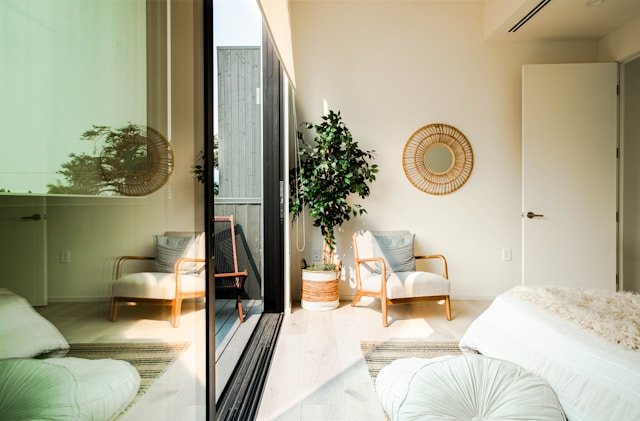
Creating a beautifully bright and comfortable living space is a top priority for most homeowners. However, filling a house with natural light often comes with a hidden cost. With rising household electricity prices across the country, keeping a sunlit home cool in summer and warm in winter has become increasingly expensive. Recent data shows that national household electricity costs have surged significantly in recent years, prompting many to look for smarter ways to maintain their comfort. The good news is that you do not have to choose between a bright, airy aesthetic and a manageable utility bill. Whether you are building a new property from scratch or retrofitting a beloved family home, the decisions you make regarding structural layout will have a lasting impact on your daily lifestyle. Balancing natural illumination with thermal control comes down to smart design choices and strategic building upgrades.
The Relationship Between Glazing and Indoor Climates
To truly optimise your home, it helps to understand how building materials interact with the local climate. According to the Australian Government YourHome guide, up to 87 percent of a home’s internal heat gain during our sweltering summers comes directly through standard glass panes. Conversely, up to 40 percent of a home’s heating energy can escape through poorly insulated glass during the colder winter months. These figures highlight exactly why older homes often feel like ovens in January and freezers in July.
When looking to upgrade your property or embark on a renovation, focusing on your home’s thermal shell is the best place to start. Choosing high-quality energy efficient windows and doors in Australia is one of the most effective ways to reduce reliance on artificial heating and cooling. Modern building standards now require new homes to meet a seven-star energy rating under the Nationwide House Energy Rating Scheme (NatHERS). Achieving this level of comfort makes advanced glazing not just a luxury, but an essential component of modern home improvement.
Understanding the Shift to uPVC and Double Glazing
For decades, single-glazed aluminium frames were the standard choice for residential builds across the nation. While affordable, aluminium is a highly conductive metal that easily transfers outside temperatures directly into your living room. Today, material science has provided much better alternatives for managing indoor temperatures and reducing energy waste without compromising on modern aesthetics.
Unplasticised polyvinyl chloride, commonly known as uPVC, has rapidly become a preferred material for residential window frames. When paired with double glazing, a modern uPVC window can reduce heat loss by up to 70 percent compared to older aluminium alternatives. In fact, uPVC conducts heat at roughly one-thousandth the rate of standard aluminium. For homes exposed to the harsh local sun, Australian-grade uPVC profiles are specifically formulated with a higher titanium dioxide content of approximately 9 percent. This ensures long-term durability and resistance to UV degradation, keeping your home looking pristine for years. Furthermore, the acoustic insulation provided by these advanced framing systems is a welcome bonus. Double-glazed uPVC units significantly dampen street noise, creating a tranquil indoor environment even in busy suburban neighbourhoods.
Practical Ways to Boost Light Without the Heat
Balancing natural illumination with thermal control requires a combination of high-quality materials and thoughtful architectural planning. Implementing passive design principles can drastically improve how your living spaces feel year-round while keeping utility bills in check.
Consider the following strategies to maximise light while improving your property’s overall efficiency:
- Install strategic skylights: A well-placed skylight can let in more than three times as much natural light as a vertical window of the same size. This makes them perfect for brightening up dark hallways, kitchens, or internal bathrooms.
- Protect overhead glass: Unprotected roof glazing can absorb nearly twice as much heat as an unshaded west-facing window. Always ensure skylights are double-glazed and fitted with protective shading to prevent a greenhouse effect inside your home.
- Leverage reflective surfaces: Placing large mirrors strategically opposite your windows can bounce natural daylight deeper into rooms, reducing the need for artificial lighting during daylight hours.
- Utilise smart window coverings: Heavy drapes, cellular blinds, and external awnings provide an extra layer of insulation. Closing them during the hottest parts of the day keeps the sun out while still allowing ambient light to filter through if you choose translucent fabrics.
- Consider room orientation: When renovating, try to position primary living areas facing north. This captures the lower winter sun for natural warmth while making it easier to block the harsh overhead summer sun with simple roof eaves.
Designing for a Sustainable Future
Transforming your house into a bright, welcoming sanctuary does not require you to run the air conditioner around the clock. By understanding how your home interacts with the elements and making informed choices about your building materials, you can create a beautiful space that is both visually stunning and highly practical. Embracing passive design and modern insulation technology ensures your home remains a comfortable, eco-friendly haven in every season. Ultimately, investing in the thermal performance of your property pays dividends in both reduced energy costs and enhanced daily living comfort.
