

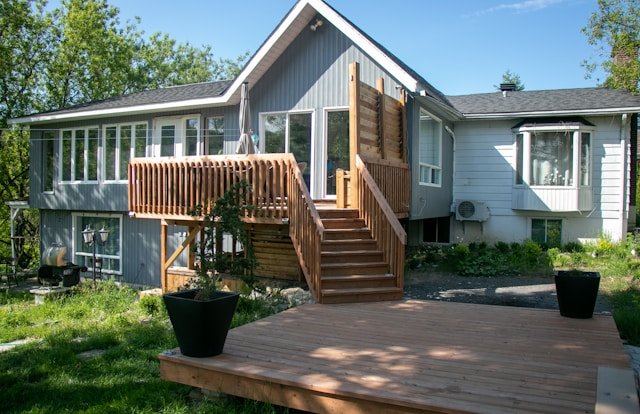
Wooden decks, pergolas, and timber garden beds add incredible warmth and natural beauty to Australian properties. They create perfect spaces for entertaining, dining, and relaxing outdoors. However, preserving these wooden structures requires more than just an occasional sweep. Australia’s harsh climate, combined with the constant threat of wood-destroying pests, means outdoor timber is under constant pressure. According to data from the CSIRO, as many as one in three Australian homes will face a pest attack during their economic lifespan. Without proactive care, a beautiful timber investment can quickly become a structural hazard and a significant financial burden.
The True Cost of Timber Neglect
The financial reality of neglected outdoor timber is quite stark. Research from the CSIRO and the University of Technology Sydney estimates that structural pests cause roughly $1.5 billion in property damage across Australia each year. Subterranean species are particularly aggressive and can severely compromise wooden wall frames and flooring in as little as six months. When these pests move from a damp garden bed into a home’s structural framing, the average repair bill sits at approximately $10,000.
Surprisingly, standard Australian home and contents insurance policies explicitly exclude this type of damage. Insurers classify infestations as a preventable property maintenance issue rather than an insurable event. Therefore, maintaining clear property perimeters and booking regular inspections is vital. If an active colony is discovered near your home, relying on professional termite extermination services is the only reliable way to halt the destruction and protect your property from further damage.
Recognising the Early Warning Signs
Catching timber deterioration early can save homeowners thousands of dollars. Often, the early signs of damage are dismissed as normal weathering. You might notice the wood sounding hollow when tapped, or observe paint that is unexpectedly blistering and peeling. In some cases, small mud tubes may appear along brick foundations or near the base of wooden posts.
Homeowners should also pay close attention to sagging deck boards or pergolas that suddenly feel unstable. While this could simply be the result of wet rot, it frequently indicates that the internal integrity of the timber has been hollowed out. Regular visual checks of your exterior timber can help you distinguish between standard wear and tear and active pest problems.
Smart Moisture Management
Moisture is the single biggest enemy of outdoor wood. When water pools beneath garden decks or planter boxes, it accelerates the breakdown of lignin, which is the natural polymer that gives wood its strength. This damp, degrading environment is exactly what attracts subterranean pests to a property.
To combat this, you need to manage the micro-climates around your garden. Failing to regularly clear accumulated leaf debris from deck board gaps and subfloor drainage channels traps moisture against the wood. This wet organic matter creates a highly appealing food source and a convenient bridge for pests to cross into your home. Ensure your gutters are clean, downpipes direct rainwater well away from your deck’s subfloor, and climbing plants are kept trimmed back from wooden posts to allow for adequate airflow.
Key Prevention Steps for Outdoor Timber
Under the National Construction Code, specific protection is legally required for structural timber elements, including newly constructed decks and pergolas attached to a main dwelling. However, ongoing maintenance is entirely up to the homeowner. Timber industry guidelines show that a properly oiled and maintained timber deck can last between 40 and 50 years, whereas untreated wood can succumb to rot in under 20 years.
Follow these essential maintenance steps to safeguard your outdoor spaces:
- Keep Timber Off the Ground: Allowing landscaping timber, raised garden beds, or wooden posts to make direct contact with the soil provides a concealed entry point for pests. Always use metal stirrups for structural posts and maintain a visible gap between the soil and any timber structures.
- Maintain Inspection Zones: The Australian Standard AS 3660.1 mandates the use of physical or chemical systems that force foraging pests into visible inspection zones. Keep garden mulch, soil, and stored items away from the immediate perimeter of your home so these zones remain visible.
- Seal and Oil Regularly: Apply a high-quality timber oil or sealant every 12 to 18 months to repel water and protect the wood fibres from UV degradation. Use products specifically formulated for Australian conditions to ensure maximum longevity for popular local timbers like Merbau and Spotted Gum.
- Check Modern Slab Edges: Modern building practices often involve pouring concrete slabs with minimal ground clearance. Be extra vigilant around these low edges, as they can inadvertently increase the vulnerability of homes to concealed pest entry.
By taking these preventative steps, you can greatly extend the lifespan of your outdoor features. Regular maintenance not only keeps your garden looking its absolute best but also serves as the first line of defence against costly structural damage, ensuring your home remains a safe and enjoyable sanctuary for decades to come.
