

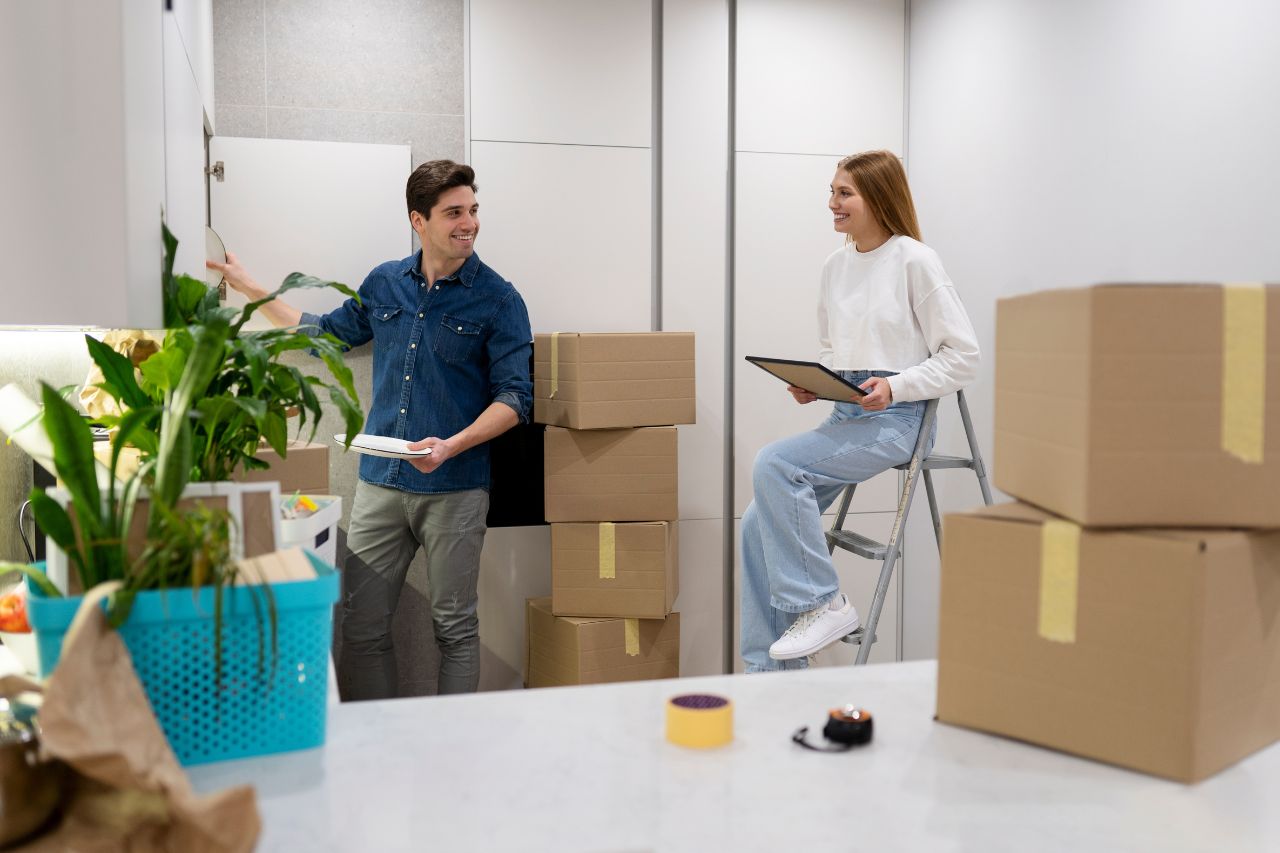
Creating a beautiful living space is a true labour of love. With the Australian furniture market experiencing accelerated growth and valued at over $14.6 billion recently, homeowners are investing more heavily in premium, bespoke, and sustainable pieces. However, the prospect of relocating these cherished items can quickly turn excitement into dread. Recent research indicates that moving house ranks as the fourth most stressful life event for Australians. Psychological evaluations of moving stress note that the upheaval of leaving a home and packing personal possessions frequently triggers profound anxiety, disruption of identity, and sheer physical exhaustion.
To mitigate this anxiety, homeowners with luxury furnishings often seek specialised assistance from the very beginning. A major ongoing trend in the Australian home decor market is the shift toward sustainably sourced and bespoke furniture pieces, which inherently hold higher value and demand expert handling. By hiring the top removalists Melbourne, you gain access to premium packing teams who are specifically trained in elevated standards of care. These professionals understand exactly how to handle luxury relocations, ensuring that every piece of custom furniture and priceless artwork arrives in pristine condition.
The Hidden Risks of Furniture Transit
When transporting high-end furnishings and fine art, the stakes are undeniably high. Cultural conservation protocols explicitly warn that the highest risk of irreversible damage to valuable heritage objects occurs specifically during physical handling and transit. While standard transit insurance offers a helpful financial safety net, it cannot replace the sentimental value of a one-of-a-kind antique or a beloved family heirloom.
The reality of standard relocation services is sometimes fraught with complications. According to official consumer protection data, Consumer Affairs Victoria received over 700 complaints concerning removal and freight services in a single year, with the majority of reports relating to items being damaged in transit, lost, or delayed. This volume of grievances highlights the critical importance of thoroughly vetting your moving professionals to ensure your carefully curated decor remains safe.
Essential Preparation for Fragile and Antique Items
Safeguarding your interior investments requires meticulous planning well before moving day arrives. Professional art conservators and premium relocation experts employ specific, proven techniques to prevent chemical degradation and physical wear on valuable items. Whether you own modern bespoke timber tables or delicate Victorian-era cabinets, each piece requires a tailored approach to preparation.
If you are managing some of the preparation yourself, consider adopting these expert conservation standards for your high-value decor:
- Use acid-free materials: Always wrap fine art, delicate fabrics, and antiques in specialised, acid-free paper to prevent chemical reactions that can stain or degrade the materials over time.
- Avoid direct pressure: When preparing canvas paintings or framed artworks, ensure no direct physical pressure is applied to the front or back of the piece. Utilise custom-built crates or sturdy, reinforced picture boxes.
- Secure moving parts: Remove or securely fasten drawers, doors, and loose components of antique furniture to prevent them from swinging open and sustaining damage during the drive.
- Prioritise climate control: Extreme temperature fluctuations can warp solid wood and damage fragile veneers. Ensure your items are kept in a stable environment before and immediately after the move.
While large antiques require heavy-duty care, smaller fragile objects demand equal attention. Reviewing a comprehensive guide on packing for a move can help you properly wrap and secure smaller fragile items, such as fine crystal or porcelain tableware, before tackling your larger antique furniture. Proper boxing techniques ensure that the delicate items surrounding your large furniture pieces do not become hazards during the drive.
Strategic Placement and Unpacking in Your New Home
The journey of your furniture does not end once the moving truck arrives at your new property. Carefully orchestrating the unpacking process is just as crucial as the preparation phase. Before moving any heavy antiques indoors, take the time to map out your floor plan. Measuring doorways, hallways, and the specific footprint of each piece helps avoid awkward manoeuvring that could scuff both the furniture and your freshly painted walls.
Furthermore, consider the environmental factors of your new spaces. Direct sunlight can cause severe fading on sensitive upholstery and antique wood finishes. Positioning your most valuable pieces away from large, unshaded windows or harsh heating vents will prolong their lifespan and preserve their aesthetic appeal.
The Value of Delegating to Experts
Given the intricate care required for valuable home decor, taking a do-it-yourself approach is not always the smartest choice. Up to 94 percent of Australian movers report experiencing major emotional or physical challenges during a relocation. Moving heavy, awkward, and highly valuable items only amplifies this physical toll, making professional intervention incredibly valuable for your wellbeing and the safety of your belongings.
Preserving the beauty and integrity of your home decor during a transition is entirely possible with the right approach. By understanding the transit risks, applying strict conservation techniques, and enlisting the help of specialised professionals, you can confidently protect your interior investments. Treating your relocation with the exact same level of care that you put into designing your living space ensures your new house feels like a beautifully curated home from the very first day.
