

Key Takeaways
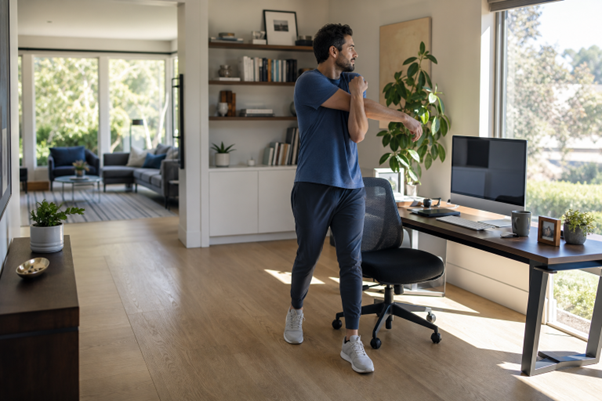
- Short, frequent movement breaks can help reduce the stiffness that often follows long periods of sitting.
- There is no single perfect posture to hold all day. Regularly changing positions is usually more realistic and useful.
- Hip strength, core control, sensible lifting, sleep, and stress management all support everyday spine health.
- Sharp pain, spreading symptoms, numbness, weakness, or changes in bowel and bladder function need prompt medical attention.
Spine care is not only for athletes, people with physically demanding jobs, or older adults. It matters for anyone who spends hours at a desk, drives frequently, carries children, works around the house, or feels stiff after a normal day. For additional information about chiropractic care and musculoskeletal support, visit website.
Healthy back and neck habits do not require a flawless routine, expensive equipment, or intense workouts. The goal is to make daily movement easier, gradually build tolerance, and respond early when discomfort becomes a recurring problem.
Why Everyday Spine Care Matters
Back, neck, shoulder, and hip discomfort often develops through repetition rather than from a single obvious injury. A desk worker may feel fine in the morning, then notice tight shoulders, a sore lower back, and tired hips by late afternoon. The same pattern can affect drivers, students, caregivers, and people who repeatedly bend, lift, reach, or twist during work.
Daily habits influence how well the body handles normal demands. That does not mean every ache is caused by posture or that pain signals damage. It means regular movement, gradual strengthening, and recovery habits can help many people feel more capable during everyday tasks.
How Sitting Affects Movement
Sitting is not automatically bad for the back. The bigger challenge is often staying still for too long. Extended sitting can leave the hips, upper back, and neck feeling stiff, especially when a person is focused on a screen or task and does not notice how long they have been in one position.
Instead of trying to maintain one rigid “correct” posture, aim for supported, comfortable positions that change throughout the day. Shift your weight, stand up, walk briefly, and adjust your chair or screen when needed. The pelvis and trunk naturally make small adjustments to help with balance, so a little movement is normal and helpful.
Simple Ways to Add More Movement
Movement does not need to wait for a full workout. Small actions spread throughout the day can make a meaningful difference. The Centers for Disease Control and Prevention notes that sitting less and being physically active support overall health, and brisk walking is generally safe for most people.
- Stand, stretch, or walk for a few minutes between tasks.
- Walk during phone calls when practical.
- Take the stairs if it is comfortable and safe.
- Do shoulder rolls, gentle neck motions, or hip movements after long periods of stillness.
- Park slightly farther away or take an extra lap around the building.
- Use short activity breaks rather than relying on one long exercise session.
Posture Tips for Desks and Screens
A well-arranged workspace can reduce unnecessary reaching, straining, and awkward positions. It does not need to look perfect. It simply needs to fit your body and allow you to move often.
- Keep both feet on the floor or use a stable footrest.
- Place the screen near eye level so you are not constantly looking down.
- Keep elbows close to your sides and shoulders relaxed.
- Position the keyboard and mouse close enough to avoid reaching forward.
- Use lower-back support if it feels comfortable, without forcing a stiff position.
- Look away from the screen and change positions regularly.
An adjustable chair or a standing desk can be useful, but no piece of equipment can replace movement. A comfortable setup should make it easier to alternate between sitting, standing, and walking.
Safe Lifting and Bending Habits
Before lifting groceries, laundry, gardening supplies, or a child’s backpack, move close to the object. Bend at the hips and knees as needed, keep the item close to your body, and avoid twisting while carrying it. If a load is heavy, awkward, or unstable, divide it into smaller loads or ask for help.
For example, carrying all the grocery bags in one trip may feel efficient, but several lighter trips can be kinder to the hands, shoulders, and back. Controlled movement is often more important than trying to use a single “perfect” lifting technique.
Mobility and Strength Exercises
Gentle Mobility
Comfortable mobility work may help reduce feelings of stiffness. Options include cat-cow movements, slow neck rotations, hip-flexor stretches, and thoracic spine rotations. Stay within a pain-free or easily tolerated range, and do not force a stretch.
Core and Hip Control
Simple strength exercises can improve control during lifting, walking, climbing stairs, and performing daily tasks. Glute bridges, bird dogs, dead bugs, and supported sit-to-stands are common options. Start with a manageable number of repetitions and increase gradually rather than doing too much after a long inactive period.
Walking and Low-Impact Activity
Walking is a practical starting point for many people. Begin at a comfortable pace, add time slowly, and adjust if symptoms worsen. For recurring or long-lasting low back pain, staying active and exercising regularly are commonly recommended approaches, though the right activity depends on the individual.
Sleep and Recovery Basics
Recovery is influenced by more than exercise. Poor sleep and ongoing stress can make pain feel more difficult to manage. Some people are more comfortable sleeping on their side with a pillow between the knees, while others prefer a pillow under the knees when lying on their back.
After minor soreness, a gradual return to normal activity is often more useful than prolonged bed rest. Regular meals, hydration, relaxation practices, and steady sleep routines can also support recovery. The National Institute of Arthritis and Musculoskeletal and Skin Diseases also recommends gradually increasing activity as tolerated and using healthy habits such as exercise, relaxation, and regular sleep.
Common Spine-Care Mistakes
- Holding one stiff posture all day: Change positions and move regularly instead.
- Stretching through sharp pain: Use a smaller range and stop if symptoms intensify.
- Doing too much too soon: Increase walking time, weights, or repetitions gradually.
- Relying only on passive care? Pair it with movement and practical habit changes.
- Ignoring recurring symptoms: Track when symptoms occur and seek an assessment if they continue.
When to Seek Professional Help
Seek medical guidance when pain lasts several weeks, repeatedly returns, disrupts sleep or work, or travels into an arm or leg. Prompt assessment is especially important after a fall, crash, or major injury, or when symptoms include numbness, tingling, weakness, fever, unexplained weight loss, severe night pain, or bladder and bowel changes.
Frequently Asked Questions
Is sitting always bad for the back?
No. Sitting itself is not necessarily harmful. Long, uninterrupted periods of sitting may be more troublesome for some people than sitting that is regularly interrupted by movement.
How often should movement breaks happen?
There is no single schedule that works for everyone. Change position regularly and take brief breaks before stiffness becomes distracting.
Should I stretch or strengthen first?
Both can be useful. Mobility work may help with stiffness, while strengthening can improve control and tolerance for daily activity.
What is the best exercise for spine health?
The best exercise is usually one that is safe, repeatable, enjoyable, and appropriate for your symptoms, fitness level, and medical history.
Conclusion
Better spine care is built through simple, repeatable choices. Move more often, avoid staying locked in one position, lift thoughtfully, build strength gradually, and make sleep and recovery part of the routine. Small habits may seem minor, but consistency can create a stronger foundation for daily comfort and function.
