

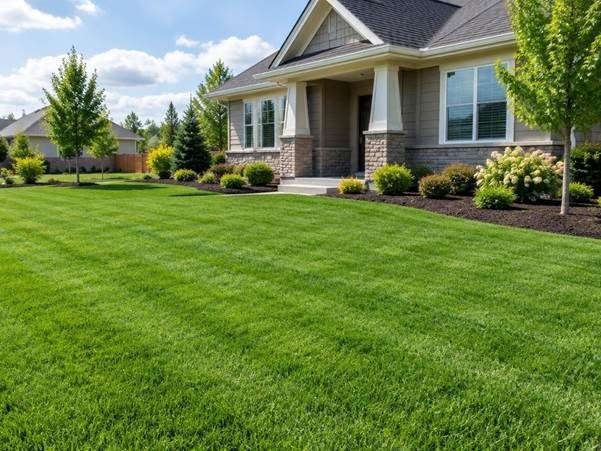
A well-graded landscape is more than just aesthetically pleasing; it’s fundamental to the health and longevity of any property. Proper land grading ensures that water flows away from structures, preventing costly damage and maintaining the integrity of your outdoor spaces.
Especially in Rhode Island, where diverse weather patterns can challenge property drainage, understanding effective grading techniques is essential for homeowners. Without proper preparation, issues like soil erosion, water pooling, and even foundation problems can emerge, leading to significant headaches and expenses down the line.
We understand the critical role that precise land contouring plays in protecting your investment and enhancing your outdoor living areas. From redirecting surface runoff to preparing a stable base for new construction, the right grading strategy makes all the difference. Understanding the nuances of effective Lawnscapes RI landscape grading is crucial for ensuring your property remains dry and stable for years to come.
In this extensive guide, we will explore 10 genius techniques for effective landscape grading. These methods are designed to tackle common property challenges, improve drainage, and create a resilient outdoor environment, preparing your property for everything from lush new lawns to robust new construction projects.
Rough grading; finish grading; slope stabilization; erosion control; drainage management
Landscape grading is a comprehensive process that involves shaping the land to achieve specific elevations and slopes. It encompasses both rough grading, which involves major earthmoving to establish the general contours, and finish grading, which refines the surface for aesthetics and precise drainage. The ultimate goals are often slope stabilization, to prevent soil movement; erosion control, to protect valuable topsoil; and effective drainage management, to direct water away from critical areas. Let’s delve into the specific techniques that make these goals achievable.
1. Establishing Positive Slopes Away from Foundations
One of the most critical aspects of landscape grading, particularly for properties in Rhode Island, is establishing positive slopes that direct water away from building foundations. A positive slope means the ground gradually declines as it moves away from a structure. We typically aim for a minimum 5-percent grade for at least the first 10 feet surrounding the foundation. This seemingly small detail is paramount for foundation safety and basement protection.
When rainwater or snowmelt accumulates near a foundation, it can exert hydrostatic pressure on basement walls, leading to cracks, leaks, and significant water damage over time. By carefully grading the soil to create this gentle decline, water is efficiently redirected away from the home, mitigating the risk of saturation and preventing costly long-term maintenance issues. This technique is a cornerstone of preventing water damage around homes and is often the first step in any comprehensive grading plan.
2. Creating Swales for Natural Water Routing
Swales are shallow, broad, and gently sloping depressions designed to collect and channel stormwater runoff across a landscape. Unlike traditional ditches, swales are typically vegetated, making them blend more seamlessly into the natural environment while still performing crucial drainage functions. Their contoured shape allows for controlled channel flow, guiding excess water away from vulnerable areas like foundations, patios, and garden beds.
In areas prone to significant rainfall or surface runoff, swale contouring can be an incredibly effective stormwater diversion strategy. They slow down the water’s movement, allowing for better infiltration into the soil and reducing the erosive power of fast-moving water. This natural water routing method is a sustainable and aesthetically pleasing way to manage drainage, often requiring less maintenance than engineered pipe systems.
3. Constructing Earthen Berms to Redirect Surface Runoff
Earthen berms are mounded earth formations strategically placed to intercept and divert surface runoff. These elevated landscape features act as barriers, preventing water from flowing into undesirable areas or guiding it towards designated drainage points like swales or rain gardens. Berm shaping can also add aesthetic elevation and visual interest to a flat landscape, making them a dual-purpose solution.
For properties in Rhode Island with specific drainage challenges, such as a neighbor’s runoff encroaching on your yard or preventing water from pooling in a low spot, berm construction offers a flexible and effective solution. They are particularly useful for deflecting water from driveways, preventing erosion on gentle slopes, or creating distinct landscape zones.
4. Integrating Terraces with Retaining Walls for Steep Slopes
For properties with significant elevation changes or steep slopes, integrating terraces with retaining walls is a genius grading technique. Terrace leveling involves creating a series of flat or gently sloped platforms along a hillside, each supported by a structural wall. This method effectively transforms an unusable, erosion-prone slope into stable, functional tiers.
Retaining walls, built from materials like stone, concrete, or timber, provide the necessary structural integrity to hold back soil and prevent landslides and severe erosion. This tier grading approach not only maximizes usable land for landscaping or gardening but also significantly improves hillside stabilization, making the property safer and more resilient against the elements prevalent in the Rhode Island climate.
5. Combining Subsurface French Drains with Surface Regrading
Sometimes surface grading alone isn’t enough to manage persistent water issues, especially with high water tables or saturated soils. This is where combining subsurface French drains with surface regrading becomes invaluable. A French drain consists of a trench excavation filled with gravel and a perforated piping system, designed to collect groundwater and direct it away from problem areas.
When integrated with careful surface regrading, this dual drainage system provides comprehensive water management. The surface grading ensures proper runoff, while the French drain addresses hydrostatic relief by capturing subsurface water before it can reach foundations or saturate planting beds. This technique is particularly effective in preventing basement leaks and managing soggy lawns, offering a robust solution for challenging drainage scenarios.
6. Fine-Tuning Rough and Finish Grading for New Construction
For new construction projects, grading is a multi-stage process that begins with heavy excavation to prepare the site. Rough grading involves establishing the primary contours and elevations, ensuring the site is ready for foundations and utility installation. This includes subgrade shaping and preparing structural pads to precise specifications.
Once the main structures are in place, finish grading takes over. This phase involves spreading and leveling topsoil, ensuring proper drainage around the new building, and preparing the ground for landscaping elements like lawns, gardens, or driveways. Compaction testing is often performed during both phases to ensure the soil base is stable and capable of supporting future loads. This meticulous approach ensures a stable, well-drained, and aesthetically pleasing site from the ground up.
7. Precision Lawn Leveling for Sod and Seedbed Preparation
Achieving a lush, healthy lawn, whether through sod installation or seeding, heavily relies on precision lawn leveling. This micro-grading technique focuses on creating an incredibly smooth and even surface, eliminating any low spots where water might collect or high spots that could dry out quickly. Careful soil spreading ensures a uniform layer of nutrient-rich topsoil.
Proper lawn leveling is essential for turf establishment and prevents future issues like uneven growth, patchy areas, or difficult mowing. A smooth seedbed allows for even seed distribution and consistent germination, leading to a more uniform and resilient lawn. This attention to detail in finish grading is what transforms a functional landscape into a beautiful and enjoyable outdoor space.
8. Designing Dry Creek Beds for High-Volume Runoff Channels
For areas experiencing significant, intermittent runoff, designing dry creek beds offers both a practical and aesthetic solution. These are essentially decorative rock or stone channels that mimic natural stream beds. During heavy rainfall, they efficiently transport high-volume runoff, preventing erosion and directing water to a suitable discharge point. When dry, they serve as attractive landscape features.
Beyond their beauty, dry creek beds are excellent for velocity reduction, as the rocks and irregular surfaces slow down water flow, allowing for better infiltration and reducing the erosive force. They also contribute to stormwater filtration, as sediment can settle among the stones. This technique is a creative and effective way to manage seasonal streams and protect your property from concentrated water flow.
9. Grading Sub-Bases for Patios, Walkways, and Driveways
Proper grading extends beyond just managing water around foundations; it’s also critical for the longevity of hardscape elements like patios, walkways, and driveways. The sub-base, typically composed of gravel, must be precisely leveled and compacted to provide a stable foundation. Crucially, it must also incorporate a slight pavement pitch or cross-slope grading to ensure water drains off the surface.
Without this careful base compaction and grading, hardscapes can suffer from pooling water, freeze-thaw cycles that lead to cracking, or uneven settling. A well-graded sub-base ensures that your outdoor living spaces and access routes remain functional, safe, and attractive for many years, resisting the wear and tear of Rhode Island’s varied climate.
10. Utilizing Laser-Guided Grading for Large Acreage
For large-scale projects, such as commercial developments, agricultural fields, or extensive residential properties, utilizing laser-guided grading offers unparalleled precision and efficiency. This advanced technique employs heavy machinery equipped with laser receivers that communicate with a stationary laser transmitter. The system guides the machine’s blade to achieve an exact, uniform slope across vast areas.
Laser leveling ensures exceptional grade accuracy, minimizing variations and optimizing drainage patterns over large acreage. It significantly reduces human error and speeds up the grading process, making it ideal for creating perfectly level pads for buildings, precisely sloped fields for irrigation, or uniform surfaces for sports complexes. This technology represents the cutting edge of land contouring, delivering superior results for complex and extensive projects.
Implementing Lawnscapes RI Landscape Grading for Complex Topography
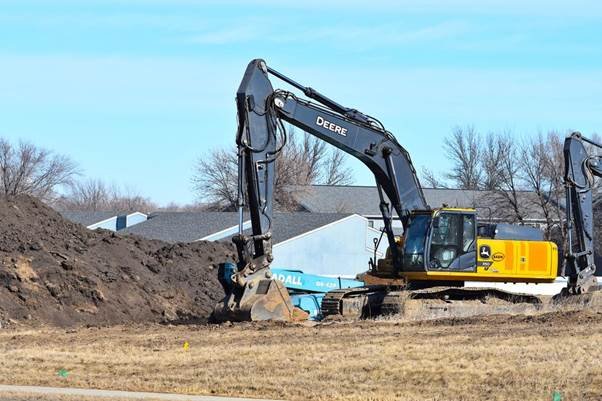
Successfully implementing these grading techniques, especially when dealing with complex topography, requires specialized expertise and equipment. In Rhode Island, where properties can range from coastal plains to rolling hills, a nuanced understanding of terrain assessment, local soil composition, and coastal runoff patterns is crucial. This is where professional services, such as those offered by Lawnscapes RI landscape grading, become invaluable. They bring the necessary experience and equipment selection to tackle any challenge.
Assessing Site Conditions with Lawnscapes RI Landscape Grading Best Practices
Before any earth is moved, a thorough assessment of site conditions is paramount. This involves an elevation survey to map the existing contours, identifying areas of chronic water pooling, and evaluating soil compaction and type. For many Rhode Island properties, understanding high water tables and planning around property boundaries are also critical steps. Professionals will meticulously analyze these factors to design a grading plan that is both effective and compliant with local regulations. This initial assessment is key to addressing the unique challenges presented by the local environment and ensuring a sustainable solution.
Step-by-Step Execution of Lawnscapes RI Landscape Grading Projects
The execution of a landscape grading project, from initial assessment to final touches, follows a systematic approach to ensure optimal results.
Rough Grading Techniques Finish Grading Techniques Utility Marking: Locating and marking underground utilities to prevent damage. Soil Conditioning: Amending soil with organic matter for improved fertility and drainage. Land Clearing: Removing trees, brush, and debris to prepare the site. Seedbed Preparation: Creating a smooth, fine-textured surface for optimal seed germination or sod installation. Heavy Excavation: Major earthmoving to establish primary slopes and contours. Final Compaction: Light compaction to settle the topsoil and create a firm base. Subgrade Shaping: Forming the base layer for foundations, driveways, or other structures. Drainage System Installation: Integrating swales, French drains, or catch basins as per design. Initial Compaction: Compacting the subgrade to ensure stability. Erosion Control Measures: Applying hydroseed, erosion blankets, or mulching on newly graded slopes.
This systematic approach, from utility marking and land clearing to heavy excavation and soil conditioning, ensures that every aspect of the grading project is handled with precision. It culminates in meticulous seedbed preparation, readying the land for its final aesthetic and functional elements.
Key Factors Influencing Grading Timelines and Project Costs
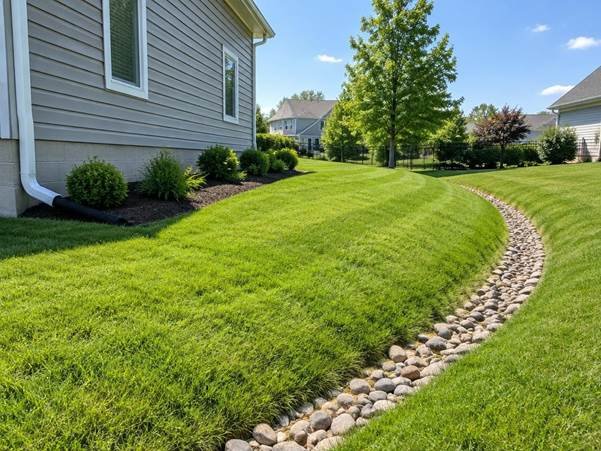
Understanding the factors that influence the cost and duration of land grading services in Rhode Island is crucial for homeowners planning such projects. Basic land grading projects for small to medium residential properties in Rhode Island typically range from $1,000 to $3,000. However, more complex undertakings, such as commercial land grading, generally fall between $5,000 and $15,000, while driveway and parking lot grading costs usually range from $2,000 to $6,000. For comprehensive site preparation for construction, costs can be between $3,000 to $10,000. Some contractors charge between $0.50 and $2.00 per square foot, meaning a 10,000-square-foot lot could cost approximately $5,000 to $20,000.
Several key variables dictate these figures:
- Square Footage: Naturally, the larger the area to be graded, the higher the cost and longer the project duration.
- Soil Type and Condition: Rocky, clay-heavy, or overly saturated soils require more effort, specialized equipment, and time compared to easily workable loamy soils.
- Excavation Depth and Volume: Projects requiring significant cut and fill, or extensive excavation, will incur higher costs due to increased machinery use and disposal/import of soil.
- Equipment Access: Difficult-to-access sites may require smaller, more specialized equipment, potentially increasing labor time and costs.
- Project Complexity: Simple lawn leveling is less expensive than intricate drainage systems involving multiple swales, berms, and subsurface drains.
- Permitting and Regulations: Depending on the scope and location within Rhode Island, permits may be required, adding to both cost and timeline.
- Weather Factors: Unpredictable weather, especially during the wetter seasons in Rhode Island, can cause delays, impacting project duration and potentially increasing labor costs.
Professional grading services typically complete an average residential yard in 5 to 6 days. However, this can vary significantly based on the factors listed above. Established Rhode Island contractors often bring over 30 years of experience in land grading and excavation services, which can contribute to efficient project completion, but also reflect in their pricing for their expertise.
Frequently Asked Questions About Landscape Grading
How does proper landscape grading protect home foundations from water damage?
Proper landscape grading is the first line of defense against water damage to home foundations. By creating a positive slope that directs water away from the structure, it prevents water from pooling against the foundation walls. Without this, hydrostatic pressure can build up, forcing water through cracks in the foundation and leading to basement leaks, mold growth, and even structural instability over time. A well-designed grading plan ensures that rainwater and snowmelt are efficiently diverted, keeping the foundation dry and reducing the risk of costly repairs. This proactive measure significantly reduces long-term maintenance costs for homeowners.
What are the main signs that a residential lawn requires regrading?
Several common signs indicate that a property needs grading or lawn leveling. The most obvious is standing water or puddles that persist long after rainfall, which suggests poor drainage. Other indicators include areas of lawn moss, which thrives in perpetually damp conditions, or noticeable soil erosion, especially on slopes. If you observe cracks in your home’s foundation or water seeping into your basement or crawl space, it’s a strong sign that water is not being properly directed away from your home. Additionally, an uneven turf surface, with bumps or depressions, not only looks unkempt but can also contribute to drainage issues and be a tripping hazard.
How long does a typical yard grading and leveling project take?
The duration of a typical yard grading and leveling project largely depends on its scope and complexity. For an average residential property, professional grading services typically complete the work within 5 to 6 days. This timeframe can be influenced by several factors, including the size of the lot, the extent of earthmoving required, the type of soil, and the chosen equipment efficiency. Weather factors, particularly heavy rain, can also cause delays. While a basic lawn leveling might be quicker, projects involving significant excavation, the installation of drainage systems, or extensive site preparation for new construction will naturally take longer.
Conclusion
As we’ve explored, effective landscape grading is an indispensable investment for any property owner in Rhode Island. It’s not merely about aesthetics; it’s about safeguarding your home’s structural integrity, preventing costly water damage, and creating a functional, resilient outdoor environment. From establishing positive slopes around foundations to integrating advanced drainage solutions and preparing sites for new construction, each grading technique plays a vital role in managing water runoff and preserving your land.
By understanding these 10 genius ways to grade your landscape, homeowners are empowered to make informed decisions that enhance property value, ensure long-term drainage efficiency, and prevent erosion. Proper grading helps prevent foundation damage and reduces long-term maintenance costs for homeowners. A thoughtfully graded landscape provides peace of mind, knowing your property is protected and poised for lasting beauty and stability for years to come.
