

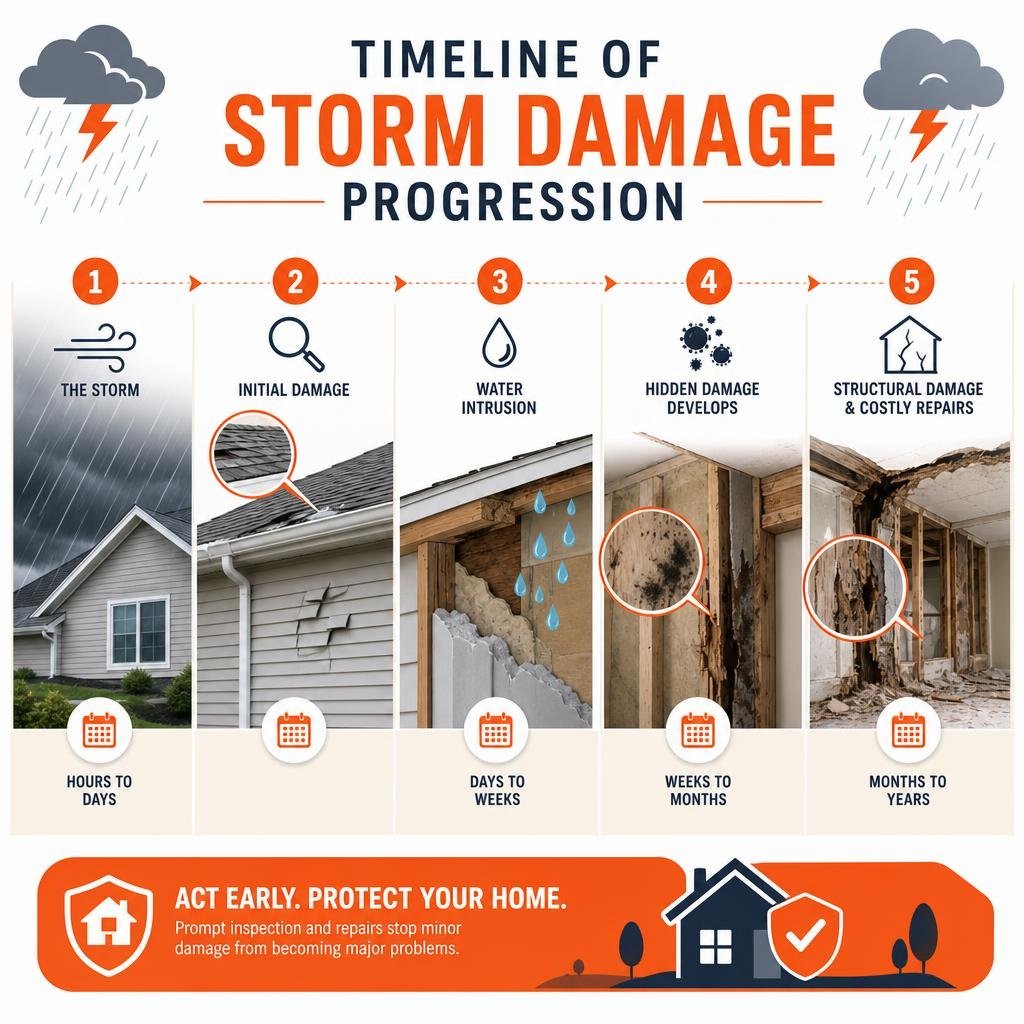
Our homes are major investments. The exterior is your first defense against nature. This is especially true in places like Chicagoland, where harsh winters and strong storms are common.
Home exterior repair and damage restoration is vital. It’s not just about how your home looks. It protects your property’s structure and value for the long term. Small issues can quickly become expensive problems. These can range from hidden water damage to serious structural issues.
In this guide, we will cover everything about home exterior care. We will explore common types of damage and how to spot them early. We’ll also discuss what to do right after a storm. We’ll guide you through insurance claims and whether to repair or replace siding and windows. Finally, we’ll explain how to pick a trustworthy professional, like a residential roofing contractor, to get the job done right. Our aim is to give you the knowledge to keep your home safe and sound.
Chicagoland homes face a unique set of challenges from Mother Nature. From the intense summer thunderstorms to the brutal winter freeze-thaw cycles, exterior components are constantly under assault. Understanding the most common types of damage is the first step in effective home exterior repair and damage restoration.
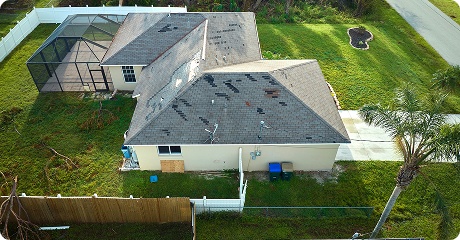
Hail Damage: This is a frequent culprit after severe Midwestern storms. Hail can range from pea-sized to golf-ball-sized or larger, causing significant impact damage. On roofs, it can bruise shingles, dislodge granules, and even puncture the material. For siding, hail can leave dents, cracks, or chips, especially on vinyl. Gutters and downspouts often show visible dings or deformities.
Wind Damage: High winds are another common threat. They can lift and tear off shingles, especially those already weakened or improperly installed. Siding panels can be ripped loose, warped, or cracked. Strong gusts can also cause trees or debris to fall, leading to direct impact damage to roofs, walls, and windows.
Ice Dams: A particularly insidious problem during Chicagoland winters, ice dams form when heat escapes from the attic, melting snow on the roof. This water then refreezes at the colder eaves, creating a barrier that prevents subsequent meltwater from draining. This trapped water can back up under shingles, seep into the attic, and cause extensive damage to insulation, ceilings, and walls.
Snow Load: While roofs are designed to bear a certain amount of weight, exceptionally heavy snowfall can exceed these limits. This is particularly concerning for older roofs or those with structural weaknesses. Excessive snow can lead to sagging, leaks, and even structural collapse, necessitating urgent home exterior repair and damage restoration.
Water Infiltration: This is often a secondary effect of other damages. A missing shingle, a cracked siding panel, or a compromised window seal can allow water to penetrate the home’s protective envelope. Once inside, water can lead to a cascade of problems.
Wood Rot: A direct consequence of prolonged water exposure, wood rot can compromise the structural integrity of your home. It affects fascia boards, soffits, window frames, door frames, and even the underlying sheathing and studs behind your siding. Early detection and repair are crucial to prevent widespread deterioration.
When these types of damage occur, especially after a major weather event, prompt assessment and action are critical. For comprehensive assistance with these challenges, particularly after a storm, you might need specialized help with storm damage restoration.
Identifying Roof and Siding Damage After Severe Weather
After a significant storm, many homeowners in areas like Arlington Heights or Hoffman Estates might wonder if their home has sustained damage. While some damage is obvious, much of it can be subtle. Here’s what to look for:
- Missing Shingles: This is perhaps the most apparent sign of wind damage. Look for bare spots on your roof or shingles scattered around your yard.
- Warped or Loose Siding: Strong winds can cause vinyl siding to warp, buckle, or even pull away from the house. Check for panels that are no longer flush against the wall or have visible gaps.
- Granule Loss on Shingles: Hail impacts can dislodge the protective granules from asphalt shingles. You might notice dark spots on your roof where granules are missing, or find an accumulation of granules in your gutters and downspouts.
- Dented Gutters and Downspouts: Hail often leaves visible dents or pockmarks on metal gutters and downspouts. This is a clear indicator that your property was in the path of hail.
- Cracks or Holes: Beyond dents, hail or wind-driven debris can cause cracks or even small holes in siding, roof vents, or skylights.
- Interior Leaks: Don’t forget to check inside. Water stains on ceilings or walls, especially in the attic or upper floors, are definitive signs of a compromised roof or exterior.
A ground-level inspection is a good start, but a professional assessment is always recommended, as some damage is not visible to the untrained eye or from the ground.
Hidden Structural Risks of Delayed Home Exterior Repair and Damage Restoration
Delaying necessary home exterior repair and damage restoration can lead to far more severe and costly problems than the initial damage itself. What might seem like a minor issue on the surface can quickly become a hidden structural nightmare.
- Mold Growth: Once water infiltrates the home’s envelope, it creates a perfect environment for mold and mildew. This can occur in attics, within wall cavities, or on insulation. Mold not only causes unpleasant odors and structural decay but can also pose significant health risks to occupants.
- Wet Insulation: Compromised roofs or siding allow water to saturate attic and wall insulation. Wet insulation loses its R-value, drastically reducing your home’s energy efficiency and leading to higher utility bills. More importantly, it stays wet, promoting mold and wood rot.
- Attic Moisture and Condensation: Beyond direct leaks, poor ventilation combined with water intrusion can lead to excessive moisture buildup in the attic. This can cause condensation on rafters and sheathing, accelerating wood decay and creating a breeding ground for pests.
- Structural Rot: This is perhaps the most serious consequence. When wood components like roof decking, rafters, wall studs, or fascia boards are repeatedly exposed to moisture, they begin to rot. This compromises the structural integrity of your home, potentially leading to sagging roofs, unstable walls, and even collapse in extreme cases.
- Freeze-Thaw Expansion: In Chicagoland, moisture trapped within cracks or porous materials can freeze during winter, expanding and exacerbating existing damage. This freeze-thaw cycle can turn a small crack in your foundation or a minor gap in your siding into a significant structural issue over time.
Addressing these issues promptly through expert home exterior repair and damage restoration is not just about aesthetics; it’s about preserving the safety, value, and longevity of your most important asset.
Siding and Window Restoration: Repair vs. Replacement
When your home’s siding or windows show signs of wear or damage, a critical decision arises: repair or replace? This choice impacts cost, aesthetics, and long-term performance. Understanding the factors involved can help you make an informed decision for your home exterior repair and damage restoration needs.
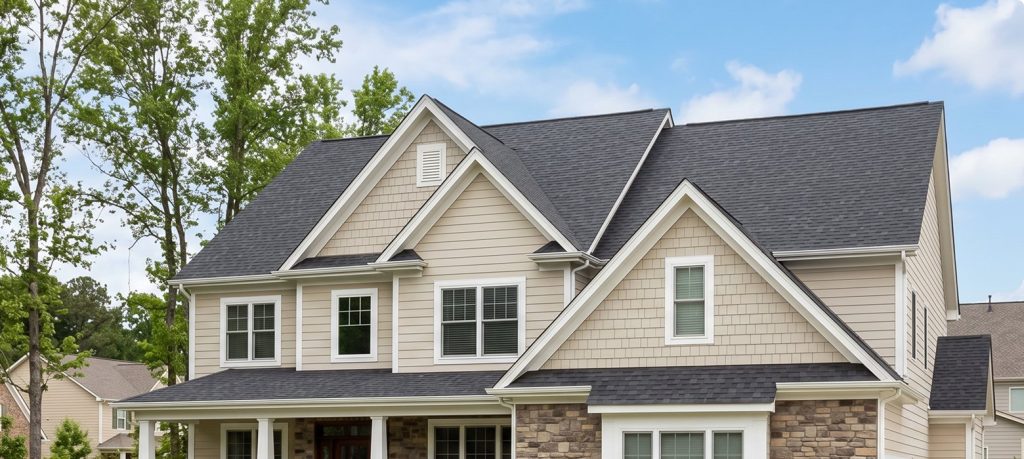
Siding Lifespan & Damage:
- Vinyl Siding: Typically designed to last 20 to 40 years, depending on the quality of installation, climate, and maintenance. Minor damage, such as a few cracked or warped panels, can often be repaired by replacing individual sections. However, widespread fading, extensive cracking, or severe warping across many panels might indicate it’s time for a full replacement. Homeowners who do not properly maintain siding may need a replacement service within a few years due to extreme weather conditions.
- Wood Siding: Generally lasts 20 to 30 years. Small areas of rot, splintering, or insect damage can be repaired by carefully cutting out and replacing affected sections. If the rot is extensive, or if the siding is severely warped, cracked, or has widespread peeling paint indicating moisture issues, replacement is usually the better option.
Windows & Energy Efficiency:
- Drafty Windows: Drafts are a clear sign of compromised window performance. Sometimes, repairing weatherstripping, caulking, or adjusting the sash can resolve the issue.
- Broken Seals: If you see condensation between the panes of a double or triple-pane window, the seal has failed. This means the insulating gas has escaped, and the window’s energy efficiency is severely compromised. In many cases, the entire sash or window unit needs replacement, as repairing the seal is often not cost-effective or possible.
- Frame Rot: For wood windows, frame rot indicates significant moisture intrusion. Small areas can sometimes be repaired, but extensive rot compromises the window’s structural integrity and insulative properties, making replacement necessary.
The decision often boils down to the extent of the damage, the age of the components, and your budget. Repairing a problem is often faster, easier, and more cost-effective than replacing it entirely, provided the damage is caught early. However, if the damage is widespread, or if the components are nearing the end of their lifespan, replacement offers a fresh start with improved performance and aesthetics.

Color-Matching Older Siding Panels
One of the primary concerns homeowners have when facing partial siding repair is whether the new panels will perfectly match their existing, older siding. This is a valid concern, as mismatched siding can detract significantly from your home’s curb appeal. Fortunately, solutions exist for effective home exterior repair and damage restoration.
- Manufacturer Archives: Major vinyl siding manufacturers are aware of this issue and typically archive their discontinued colors and profiles for 10 to 15 years. This means that even if your siding style is no longer actively produced, there’s a good chance a professional contractor can source a matching panel from manufacturer stock.
- Discontinued Profiles: If an exact match is impossible due to the age of the siding or a truly unique, discontinued profile, contractors have several strategies. They might suggest taking panels from a less visible area of your home (e.g., the back of the house or under a deck) to use for the repair, and then installing the closest available new siding in that less visible spot.
- UV Fading: A challenge with color-matching is that existing siding, especially vinyl, will have experienced some degree of UV fading over the years. Even a brand-new panel of the exact same color might appear slightly different initially. In such cases, a skilled contractor might suggest painting adjacent panels to blend the new with the old, or strategically placing the new panel where the color difference is least noticeable. While painting vinyl siding is an option, it requires specific paints designed for vinyl to ensure durability and adhesion.
Repairs for 1-5 panels typically run a few hundred dollars, making it a cost-effective solution if color matching is successful. A professional assessment can determine the best approach for seamless integration.
Critical Signs Your Windows and Doors Need Immediate Attention
Windows and doors are vital components of your home’s exterior, providing security, insulation, and aesthetic appeal. Neglecting their condition can lead to significant energy loss, comfort issues, and even structural damage, especially with Chicago winters. Recognizing the critical signs that they need immediate attention is key to effective home exterior repair and damage restoration.
- Broken Seals: As mentioned earlier, condensation or a foggy appearance between the panes of double or triple-pane windows is a tell-tale sign of a broken seal. This means the inert gas (like argon) that provides insulation has escaped, turning your energy-efficient window into a thermal liability. This often necessitates sash or full window replacement.
- Frame Rot or Deterioration: For wood windows and doors, inspect frames for soft spots, crumbling wood, or visible rot. This indicates moisture penetration and can compromise the structural integrity of the opening, allowing water to seep into your walls. If left unaddressed, it can lead to widespread wood rot in the surrounding wall structure.
- Drafts and Air Leaks: Stand near your windows and doors, especially on a windy day, and feel for drafts. You can also use a lit candle or incense stick to detect air movement. Drafts indicate poor sealing, worn weatherstripping, or improper installation, leading to significant heat loss in winter and heat gain in summer. Fixing drafts and broken components in windows is crucial to restore performance.
- Difficulty Operating: Windows that stick, are hard to open or close, or doors that don’t latch properly can be more than just an inconvenience. They might indicate warped frames, foundation issues, or hardware failure. This can also be a security concern.
- Visible Gaps or Cracks: Inspect the caulking and sealing around your window and door frames. Cracks, gaps, or deteriorating caulk allow moisture and air to penetrate.
- Water Stains or Peeling Paint: Water stains on the interior walls or sills below windows or doors, or peeling paint on the frames, are clear indicators of leaks.
Addressing these issues promptly can prevent minor problems from escalating into costly structural damage, improve your home’s energy efficiency, and enhance comfort.
The Storm Damage Restoration and Insurance Claim Process
Dealing with storm damage can be overwhelming, but understanding the restoration and insurance claim process can alleviate much of the stress. This is a crucial aspect of home exterior repair and damage restoration, especially in storm-prone regions.
Immediate Steps After a Storm:
- Safety First: Ensure your family’s safety. Avoid areas with downed power lines or structural instability.
- Prevent Further Damage: If safe to do so, take immediate steps to prevent additional damage. This might include placing tarps over damaged roof sections or covering broken windows. Document these temporary measures with photos.
- Document Everything: Take extensive photos and videos of all visible damage to your roof, siding, windows, gutters, and any other affected exterior components. This documentation will be invaluable for your insurance claim.
- Contact a Professional: Reach out to a reputable local contractor specializing in home exterior repair and damage restoration. They can perform a thorough inspection and provide an accurate assessment of the damage.
The Insurance Claim Window: It’s critical to act quickly. Insurance carriers typically give you 12 months to file a storm claim from the date of loss. After this period, the damage may be reclassified as ‘wear and tear,’ and your claim could be denied. Unrepaired hail damage compounds; a small claim today can turn into a full replacement next year once rot and decking damage set in, and insurance will not cover the follow-on damage.
Hail Damage and “No-Fault Claims”: Hail damage is generally considered a ‘no-fault claim’ because it is an ‘act of God.’ This means it is covered under most insurance policies, and filing such a claim typically does not directly increase your individual premium, though catastrophic events can lead to broader rate adjustments in an area.
Fiduciary Responsibility: If your roof has been significantly damaged by a covered peril, your insurance provider has a fiduciary responsibility to replace your roof with a ‘like-kind material.’ This means they should cover the cost to restore your roof to a comparable state using similar quality materials.
Navigating the Insurance Claim Step-by-Step
Navigating an insurance claim for storm damage can be complex, but a structured approach, often with the help of your chosen contractor, can make it smoother.
- Initial Damage Assessment & Documentation: As soon as it’s safe, conduct a preliminary inspection of your property. Take clear, well-lit photos and videos of all visible damage. Note the date and time of the storm. This initial documentation will be crucial.
- Contact Your Insurance Company: File a claim as soon as possible after documenting the damage. Provide them with your initial observations and photos.
- Contractor Inspection: Before the adjuster arrives, have a qualified home exterior repair and damage restoration contractor conduct their own detailed inspection. They can identify damage that might not be obvious to you or even to the adjuster.
- Adjuster Meeting: Your insurance company will send an adjuster to assess the damage. It is highly recommended to have your contractor present during this meeting. Your contractor can point out specific damage, answer technical questions, and ensure that all damage is properly documented and included in the adjuster’s report.
- Review the Scope of Loss: After the adjuster’s visit, you’ll receive a ‘scope of loss’ report detailing the estimated cost of repairs. Your contractor should review this carefully to ensure it covers all necessary repairs and is priced fairly. If there are discrepancies, your contractor can submit ‘supplement support’ with additional documentation and estimates.
- Policy Non-Renewal Risk: Be aware that insurers can non-renew your policy if your roof age and condition flags during their next inspection cycle. Addressing storm damage promptly can help mitigate this risk.
- Finalizing Repairs: Once the claim is approved and funds are disbursed, your contractor can proceed with the home exterior repair and damage restoration. Ensure all work is completed to code and manufacturer specifications.
Choosing a Local Residential Roofing Contractor vs. Storm Chasers
The aftermath of a major storm often brings out two types of contractors: reputable local businesses and transient ‘storm chasers.’ Choosing the right partner for your home exterior repair and damage restoration is paramount.
The Dangers of Storm Chasers: After a severe weather event, out-of-town contractors, often called ‘storm chasers,’ will descend upon affected neighborhoods, going door-to-door to sign up homeowners quickly. While some may perform adequate work, many are known for:
- Aggressive Sales Tactics: Pressuring homeowners into signing contracts on the spot.
- Substandard Workmanship: Using cheap materials or cutting corners to maximize profit, leading to future problems.
- Lack of Accountability: Disappearing once the job is done (or before it’s finished), leaving homeowners with warranty issues or incomplete work.
- Insurance Fraud: Inflating claims or encouraging homeowners to commit fraud.
Why Choose a Local, Reputable Contractor: A local, established contractor offers numerous advantages for your home exterior repair and damage restoration:
- Local Licensing and Insurance: They are properly licensed and insured to work in your specific municipality (e.g., Chicago suburbs like Villa Park or Naperville), adhering to local building codes.
- Owner-Supervised Projects: Many reputable local companies, like a trusted residential roofing contractor, ensure that projects are owner-supervised, meaning there’s a higher level of accountability and quality control.
- Community Reputation: They rely on their reputation within the community. They have a vested interest in providing excellent service and standing behind their work because their business depends on local referrals and repeat customers.
- Accessibility for Warranties and Future Needs: They are readily available to address any warranty issues or future maintenance needs, unlike a storm chaser who might be hundreds of miles away.
- Knowledge of Local Conditions: They understand the specific challenges of Chicagoland weather, including freeze-thaw cycles and heavy snow loads, and recommend materials and installation techniques suited for the region.
Always verify a contractor’s credentials, check their references, look for local reviews, and ensure they are licensed and insured in your area before signing any contracts.
Frequently Asked Questions About Home Exterior Repair and Damage Restoration
We understand that homeowners often have many questions when facing exterior damage. Here are some of the most common inquiries regarding home exterior repair and damage restoration:
How do I start home exterior repair and damage restoration after a storm?
The immediate aftermath of a storm can be chaotic, but taking systematic steps can protect your property and streamline the repair process.
- Ensure Safety: First and foremost, check for immediate hazards like downed power lines or gas leaks. Do not approach damaged areas if they seem unsafe.
- Temporary Measures: If possible and safe, take steps to prevent further damage. This includes placing tarps over damaged roof sections or boarding up broken windows. Document these temporary fixes with photos.
- Document Damage Extensively: Before any repairs begin, take numerous photos and videos of all visible damage from various angles. This visual evidence is crucial for your insurance claim.
- Contact Your Insurance Provider: Report the damage to your insurance company as soon as possible. They will guide you on the next steps for filing a claim.
- Seek Professional Inspection: Contact a reputable local contractor specializing in home exterior repair and damage restoration in your Chicago suburbs area. They can provide a thorough assessment, often free of charge, and help you understand the full extent of the damage. This professional assessment is vital for an accurate repair estimate and a strong insurance claim.
Will my insurance premium increase if I file a hail damage claim?
This is a common concern for homeowners. In most cases, filing a claim for hail damage (or other storm-related damage like wind) is considered a “no-fault claim” because these events are classified as “acts of God.” This means the damage was caused by circumstances beyond your control, and therefore, your individual premium is typically not directly increased solely due to filing such a claim.
However, it’s important to understand a few nuances:
- Regional Rate Adjustments: If an entire region experiences widespread catastrophic storm damage, insurance carriers may raise rates across that geographical area to cover their losses. This is a general adjustment, not a targeted increase based on your individual claim.
- Policy Specifics: Always review your specific homeowner’s insurance policy to understand its terms, conditions, and any potential impacts of filing claims.
- Frequency of Claims: While a single storm damage claim is unlikely to cause an individual premium hike, a history of frequent claims for various issues (even no-fault ones) could potentially lead to your insurer viewing you as a higher risk over time.
For significant damage, the benefits of filing a claim for home exterior repair and damage restoration almost always outweigh the potential, indirect premium concerns.
How long do vinyl siding and asphalt shingles typically last in Chicago?
The lifespan of exterior materials in Chicagoland is significantly influenced by the region’s extreme weather conditions, including harsh winters, hot humid summers, and frequent freeze-thaw cycles.
- Vinyl Siding: Generally, vinyl siding installation can last 20 to 40 years. However, in Chicago, factors like prolonged UV exposure from summer sun, extreme temperature fluctuations leading to expansion and contraction, and repeated impacts from hail and wind can accelerate wear. High-quality, thicker vinyl siding tends to hold up better than thinner, cheaper alternatives. Proper installation, allowing for thermal movement, is also crucial for its longevity.
- Asphalt Shingles: The typical lifespan for asphalt shingles is around 20 to 30 years for standard architectural shingles. Three-tab shingles often have a shorter lifespan, closer to 15-20 years. In Chicagoland, the constant assault of freeze-thaw cycles can cause shingles to crack and lose granules prematurely. Heavy snow loads can stress the roof structure, and intense summer heat can cause the asphalt to degrade. Regular maintenance, such as cleaning gutters and promptly addressing minor damage, can help extend the life of your asphalt shingle roof.
Homeowners who do not properly maintain siding may need a replacement service within a few years due to extreme weather conditions. Regular inspections are key to identifying early signs of wear and tear, allowing for timely home exterior repair and damage restoration that can significantly extend the life of these materials.
Protect Your Chicagoland Home with Professional Restoration
Your home is your sanctuary and a significant investment. Protecting it from the elements, especially in a challenging climate like Chicagoland’s, requires vigilance and timely action. From identifying the subtle signs of hail damage on your siding to navigating the complexities of an insurance claim for a compromised roof, professional expertise in home exterior repair and damage restoration is invaluable.
We encourage you to prioritize regular inspections of your home’s exterior. Don’t let minor issues escalate into costly structural problems. If you suspect storm damage, or if your roof, siding, windows, or doors are showing signs of wear and tear, seeking a professional assessment is your best course of action.
Look for contractors who offer comprehensive services, from free inspections to owner-supervised projects. Prioritize those who are licensed and insured, boast high customer ratings (like a 4.9 Google rating with 180+ reviews), and have received industry accolades (such as the Angi Super Service Award or Nextdoor Neighborhood Faves). Such professionals understand the unique challenges faced by homes in Chicago suburbs like those in Villa Park and can provide the reliable, high-quality home exterior repair and damage restoration your property deserves.
