

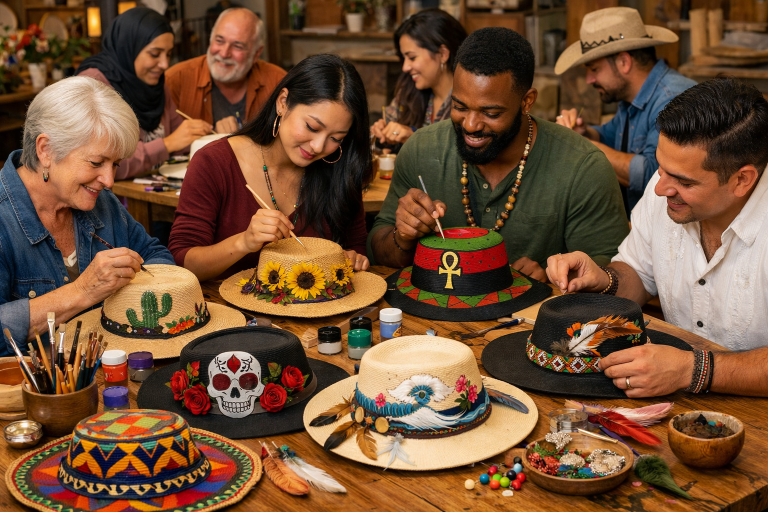
Custom hats have rapidly evolved into more than simple fashion accessories. They serve as symbols of community, shared identity, and cultural pride. By providing an opportunity to express individuality and group belonging, the art of custom hat-making is helping bring people together in meaningful new ways. Local artisans and entrepreneurs are tapping into this trend, using hat-making to celebrate local heritage, boost small businesses, and support local economies. With the proliferation of promotional hats, communities across the United States are finding creative ways to foster deeper connections and shared experiences through apparel.
Whether representing a neighborhood, showcasing cultural roots, or simply bringing people together for collaborative design sessions, custom hats are uniquely effective tools for building unity. They foster bonds among individuals who might otherwise remain strangers and provide tangible ways for people to express what matters most to them. As more Americans seek out ways to distinguish themselves and celebrate their backgrounds, demand for personalized headwear has never been higher. From bustling cities to small towns, custom hats act as emblems of collective pride and belonging.
The Rise of Custom Hat Culture
The custom hat movement reflects a wider shift toward personalization in the fashion industry. Increasingly, individuals want apparel that reflects their story and values, not just what is trendy. This growing trend resonates particularly with young adults and local pride groups who see custom hats as a means to express unique perspectives and connect with others who share similar interests. Businesses like Eight One in Houston are innovating to meet this new demand, offering hats inspired by the Bayou City that have become must-have collectibles for fans of the region. Not only do these hats look great, but they also serve as conversation starters and visual representations of community spirit.
Notably, the influence of pop culture, music, and major sporting events has played a key role in shaping the evolution of custom hats in recent years. Limited edition collaborations with local artists or athletes often turn simple headwear into highly sought-after collectibles, fueling excitement and anticipation among fans. These partnerships have cultivated a new generation of hat enthusiasts, eager to acquire pieces that tell a distinct story or represent affiliation with a particular movement. This evolution demonstrates how personal style now blends with cultural commentary, further increasing the reach and impact of custom hats on modern communities.
Celebrating Local Heritage Through Hat-Making
Many custom hat makers take deep inspiration from their cultural roots and regional traditions. In cities like Los Angeles, designers such as Pachuco Supply Co. craft hats that celebrate Chicano heritage. These designs feature iconic elements that capture the essence of the community’s story while honoring the past. This blend of history, pride, and creativity offers a sense of belonging to those who wear their heritage on their heads. Such practices help preserve cultural identity in rapidly evolving urban environments and give wearers a visible connection to their backgrounds.
These hats often become treasured heirlooms, passed down through generations to represent both family ties and community resilience. Festivals, parades, and heritage celebrations are now frequently adorned with custom hats designed for the event, encouraging everyone to participate in keeping traditions alive. These approaches not only spark local pride but also introduce younger generations to the artistry and significance behind traditional hat-making techniques, ensuring the enduring impact of heritage-based design.
Empowering Entrepreneurs and Small Businesses
The popularity of custom hats has created fertile ground for small businesses to start and grow. Entrepreneurs across the United States are seizing the opportunity to bring unique headwear to market, often starting as side hustles and growing into successful ventures. Raleigh’s Custom Patch Hats is a shining example, having produced more than 1.5 million hats for over 20,000 customers. These new businesses embody the American entrepreneurial spirit, showing that passion and creativity can successfully fuel sustainable employment and economic development.
Many of these small businesses, driven by owners from diverse backgrounds, contribute to their communities by providing jobs, supporting local charities, and even hosting workshops for aspiring designers. By creating unique wearable products, these entrepreneurs foster a sense of inclusion and establish trusted local brands. Their collaborations with schools, non-profits, and even sports clubs demonstrate how custom hat-making can have a positive and lasting ripple effect throughout an entire community.
Custom Hats as Community-Building Tools
Besides personal expression, custom hats promote group cohesion and strengthen connections among community members. Boutiques like Pretty Charming Co. in Red Bank invite people of all ages to participate in hat-making events, where they learn new skills and create personalized pieces. The collaborative nature of these experiences leads to friendships and helps neighbors support each other’s creativity. Whether for a sports team, local nonprofit, or neighborhood event, custom hats offer a simple yet effective way to foster unity and pride within groups.
Communities that adopt custom hats not only cultivate a spirit of camaraderie but also inspire positive action. Fundraiser events, awareness campaigns, and charity runs often use custom hats as keepsakes or tokens of participation, helping to motivate involvement while increasing public visibility. The act of designing and wearing a group-specific hat encourages lasting memories, turning headwear into meaningful souvenirs that spark ongoing engagement and conversation among group members and the wider public.
Sustainability and Ethical Practices in Hat Production
Consumers today are increasingly focused on how their purchases impact the planet. Many custom hat designers are responding with sustainable and ethical production methods. Companies like Custom Patch Hats are making a positive difference by planting trees and taking steps to offset their carbon footprint. Additionally, some artisans choose environmentally friendly materials like recycled fabrics or natural dyes. Conscious choices by both customers and makers help create a future where style and sustainability go hand in hand. To read more about sustainable trends in the fashion industry, see this recent Vogue article.
Along with greener materials, responsible manufacturers are increasingly transparent about labor practices and supply chains, striving for fair wages and ethical sourcing. Consumers who value sustainability now have more power than ever to support brands aligned with their values, encouraging a shift within the industry as a whole. As these practices become standard, the legacy of custom hats goes beyond self-expression to include respect for people and the environment.
The Future of Custom Hat-Making
The custom hat industry is continuously evolving, incorporating new materials, technologies, and creative approaches to meet changing consumer preferences. Digital design platforms, direct-to-consumer sales, and social media marketing are making it easier for small producers to reach broader audiences. The continued growth in custom headwear signals a future where hats will remain powerful tools for connection, storytelling, and self-expression.
Ultimately, custom hats have moved beyond basic accessories and become essential symbols of community, culture, and individuality. From commemorating local heritage to supporting emerging entrepreneurs, these unique fashion items connect people, foster creativity, and cultivate a strong sense of belonging in communities nationwide. As innovation continues to drive the industry, we can expect custom hats to be woven ever more deeply into the fabric of society, representing both timeless tradition and the endless possibilities of future expression.
