

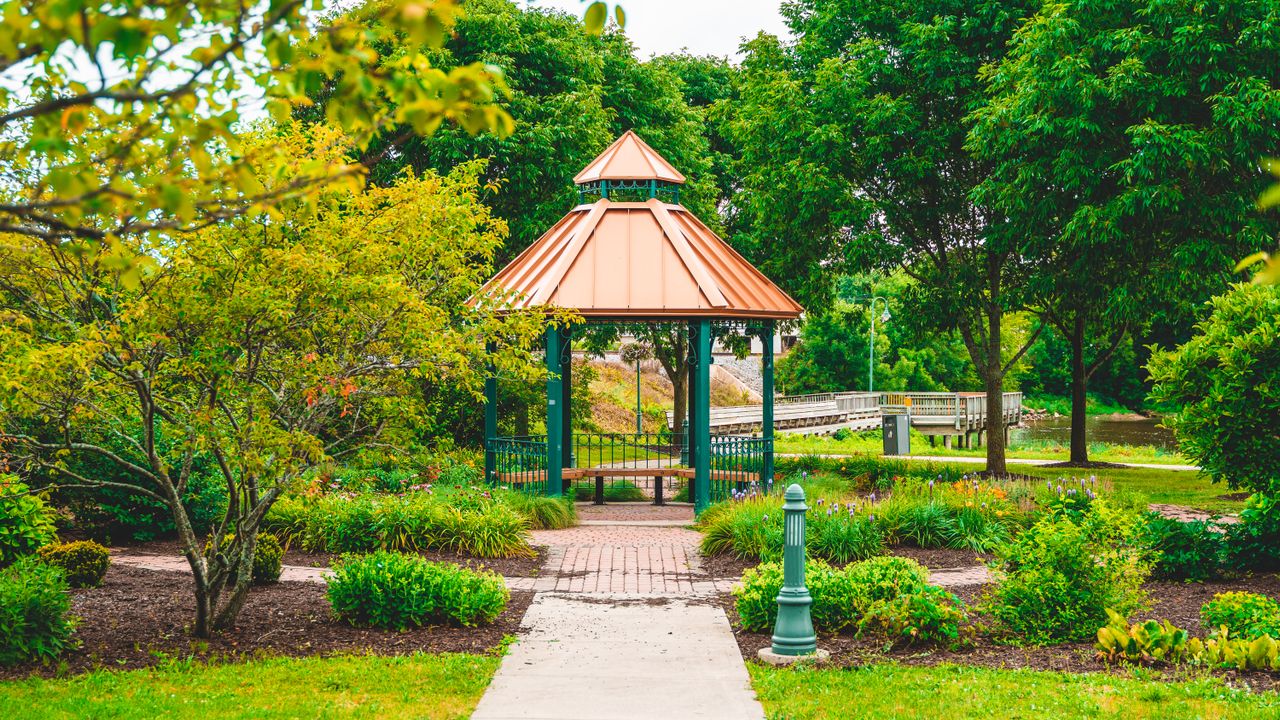
Creating an outdoor space that is both functional and sustainable not only enhances your property’s value but also positively impacts the environment. By integrating thoughtful design principles and eco-friendly practices, you can craft a landscape that is beautiful, practical, and environmentally responsible. Click here to explore how professional landscaping services can turn your vision into reality.
More homeowners are choosing sustainable landscaping, blending the need for usability with environmental stewardship. These practices help reduce maintenance costs, conserve water, and foster local ecosystems. Simple changes, such as using native plants or installing smart irrigation systems, make a significant difference without sacrificing style or comfort.
Whether you want to maximize your garden’s utility or enjoy a greener lifestyle, learning how to balance functionality with sustainability is key. These principles are achievable for any size property and can significantly improve your day-to-day living experience.
Understanding Functional and Sustainable Landscaping
Functional and sustainable landscaping creates outdoor spaces that are both practical and environmentally friendly. This approach incorporates native plants, efficient water management practices, and durable materials, resulting in attractive, low-maintenance areas. It encourages homeowners and designers to focus on long-term performance by using sustainable materials, considering microclimates, and adopting habits that reduce waste and the need for remodeling. Collaborating with landscape professionals can help prioritize sustainable choices tailored to your property, ensuring optimized functionality while minimizing resource consumption.
Incorporating Native Plants
Integrating native plants into your landscape provides numerous benefits. These plants thrive in local climates, often requiring less water and fewer chemicals than non-native species. Additionally, native plants attract pollinators and beneficial insects, which enhances the ecology of your garden.
By layering native species, such as early-blooming perennials, summer-tolerant grasses, and colorful autumn trees, you can create visual interest while boosting wildlife habitat. Native plants also help retain soil and prevent erosion, particularly on slopes.
For an edible landscaping option, consider incorporating fruit-bearing shrubs and native herbs. This approach creates a productive and attractive yard while fostering a stronger connection with the local environment.
Utilizing Eco-Friendly Materials
Choosing the right materials for patios, walkways, and hardscape features is essential for sustainability. Consider options like recycled composites, locally sourced stone, and permeable pavers. Permeable pavers allow rainwater to seep into the ground, helping to reduce runoff and soil erosion while blending seamlessly with your landscape.
For additional sustainability, think about using recycled mulch, reclaimed wood for raised garden beds, or reused bricks for garden edges. These choices not only reduce waste but also add character to your outdoor space. Selecting finishes that are low in volatile organic compounds (VOCs) ensures a safe environment for your family and guests. Even outdoor furniture made from salvaged materials contributes to a sustainable design approach.
Designing for Climate Resilience
Designing a climate-resilient landscape requires selecting plants and features that can withstand extreme weather. Incorporating drought-tolerant plants, rain gardens, and bioswales will help your outdoor space flourish during both dry spells and heavy rainfall. Effective stormwater management through these elements can minimize the risk of local flooding and promote the overall health of your garden.
Effective landscaping design directs excess rainwater to planted areas, helping to recharge groundwater and alleviate pressure on drainage systems. Additionally, using mulch and ground covers protects the soil from harsh environmental conditions. Wind-resistant structures and planting beds are also important for accommodating changing weather patterns, allowing your landscape to recover more effectively after storms or periods of dry weather.
Creating Multi-Purpose Outdoor Areas
Maximizing your outdoor space is essential for modern living. Designate zones for dining, relaxing, and entertaining, and consider features like fire pits, outdoor kitchens, and shaded seating. These elements ensure your yard is a true extension of your living area, adaptable as your needs change throughout the year.
Including flexible elements such as movable seating, retractable shade sails, or foldaway tables means you can adapt the area for parties, quiet evenings, or even outdoor workspaces. Multi-use landscapes are also ideal for families with children or pets, as dedicated areas for play, gardening, and relaxation can coexist harmoniously. Outdoor lighting, integrated storage spaces, and vertical gardens add another layer of utility, helping make the most of every available square foot.
Implementing Smart Irrigation Systems
Smart irrigation systems take the guesswork out of watering by using weather data and soil moisture sensors to schedule watering efficiently. These systems can be adjusted remotely and help prevent overwatering, ensuring plants receive just what they need while reducing water waste. This not only keeps your plants healthy but can also lower your utility bills over time.
Look for systems compatible with mobile devices that let you check and update watering schedules on the go. Drip irrigation is especially efficient, delivering water directly to plant roots, minimizing evaporation, and improving overall garden performance. Regular maintenance and seasonal adjustments for your irrigation setup ensure reliable operation without unnecessary consumption.
Enhancing Biodiversity
Enhancing biodiversity is crucial in supporting robust local ecosystems. By planting a diverse array of species and adding features such as birdhouses and bee hotels, you create a welcoming environment for beneficial wildlife. Water sources like small ponds or birdbaths further attract birds, amphibians, and insects, promoting ecological balance and resilience in your garden.
Consider dedicating a small section of your yard to rewilded or unmown meadow areas, where native wildflowers can flourish undisturbed. These undisturbed zones provide refuge for pollinators and small mammals and also serve as natural corridors for wildlife movement. Biodiverse gardens are less vulnerable to pests or diseases, naturally maintaining a stronger ecological balance with little intervention.
Maintaining Your Sustainable Landscape
Sustainable landscapes require ongoing care to remain healthy. Practices such as mulching, composting, and organic pest management help keep soil fertile and plants vigorous. It’s important to regularly check your irrigation system and replace invasive species with native plants to maintain the integrity of your garden.
Creating DIY compost bins and participating in community composting can turn yard waste into a valuable resource. Routine seasonal maintenance, such as pruning and soil testing, keeps your landscape attractive. By investing in education and stewardship, you can cultivate an outdoor space that meets your needs while enriching the natural world.
Conclusion
Creating a functional and sustainable landscape is an investment in your property’s long-term beauty, usability, and environmental health. By incorporating thoughtful design, climate-resilient plants, efficient irrigation, and eco-friendly materials, homeowners can enjoy outdoor spaces that require fewer resources, support local ecosystems, and remain attractive, practical, and resilient for years to come.
