

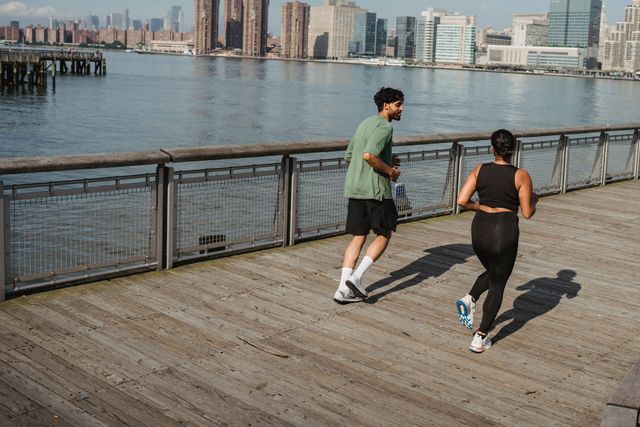
Getting outside for a daily walk is one of the most effective habits you can build for your long-term physical and mental wellbeing. Health experts frequently note that achieving 150 minutes of moderate physical activity per week, which breaks down to roughly 30 minutes a day for five days, helps mitigate age-related bone loss and eases joint stiffness. Building this foundational daily movement is a core component of a comprehensive lifestyle and wellness routine. However, if you experience discomfort or hesitation while moving, a simple stroll can easily feel more like a chore than a revitalizing activity.
The good news is that you do not have to push through pain to stay active. Medical professionals advocate for structured walking because of its holistic benefits for the body. According to the Mayo Clinic, a daily brisk walk can help you improve physical function and, in older adults, lower fall risk. By making a few smart adjustments to how you walk and the gear you use, you can protect your joints and transform your routine into a comfortable, confident experience.
Equip Yourself with the Right Support
Recent physical function data indicates that approximately 19.4 million adults in the United States experience difficulty walking a quarter-mile. This statistic highlights a widespread necessity for comfortable and supportive mobility solutions. If joint pain or balance concerns are holding you back, incorporating a mobility aid can provide the necessary stability to keep you active. The modern mobility aid market has evolved significantly, heavily influenced by an adaptive fashion trend. Lightweight carbon fiber materials and sleek designs are now specifically crafted to reduce social stigma and empower self-expression.
To maximize the benefits of a cane or walker, it is important to tailor the device to your specific needs. Adding the right walking stick accessories is a functional upgrade that helps you confidently manage your mobility while exploring the outdoors. From cushioned handles that relieve pressure to weather-appropriate additions, these small changes make a profound difference in how your body feels after a long walk in the park.
Key Upgrades for Your Mobility Aid
Customizing your equipment is the best way to ensure maximum comfort and prevent unnecessary strain on your hands, wrists, and upper body joints. Mobility experts classify the small, replaceable components at the base of a cane, known as ferrules, as critical safety features. Regularly maintaining these parts ensures your gear functions properly and keeps you secure.
Consider making the following functional upgrades to your walking gear:
- Shock-Absorbing Tips: High-performance ferrules utilize a flexible, bellows-style design that actively cushions the strike of the cane. This significantly reduces the jarring impacts that travel up your arm with every step.
- All-Terrain Bases: Upgrading to large-based tips ensures your cane remains flush with the ground on uneven surfaces like gravel, grass, or cobblestones. This maximizes traction and prevents dangerous slips on smooth floors or wet pavement.
- Ergonomic Grips: Swapping out a standard hard handle for a contoured or padded grip helps distribute weight evenly across your palm, drastically reducing hand fatigue during longer outdoor excursions.
- Seasonal Modifications: Regularly swapping out worn parts, such as applying weather-proof traction tips, keeps you safe during winter ice or rainy conditions while extending the overall lifespan of your mobility aid.
Finding Community and Motivation
Active aging research emphasizes that regular outdoor walking is a powerful tool against the negative health impacts of social isolation. It naturally improves your overall mood and mental wellbeing. Building a consistent habit is much easier when you pair your physical activity with social interaction. Having a supportive group encourages accountability and makes exercise feel more like a fun outing.
Several national programs are designed specifically to help people walk safely, comfortably, and together. The Walk with a Doc initiative is a rapidly growing global non-profit where local medical professionals lead free group walks. These organized events combine cardiovascular exercise with casual health education in a welcoming, community-based environment. Similarly, the Arthritis Foundation created Walk With Ease, an evidence-based, six-week intervention program designed to help individuals safely start walking routines that manage joint pain and increase aerobic fitness.
Prioritizing your comfort does not mean you have to compromise on an active lifestyle. By taking advantage of ergonomic innovations and participating in local community initiatives, you can protect your joints and build the necessary muscle strength to stay vibrant and independent. Whether you are utilizing local green spaces or strolling through your own neighborhood, having the right support system ensures that every step you take is a confident step toward better long-term health.
