

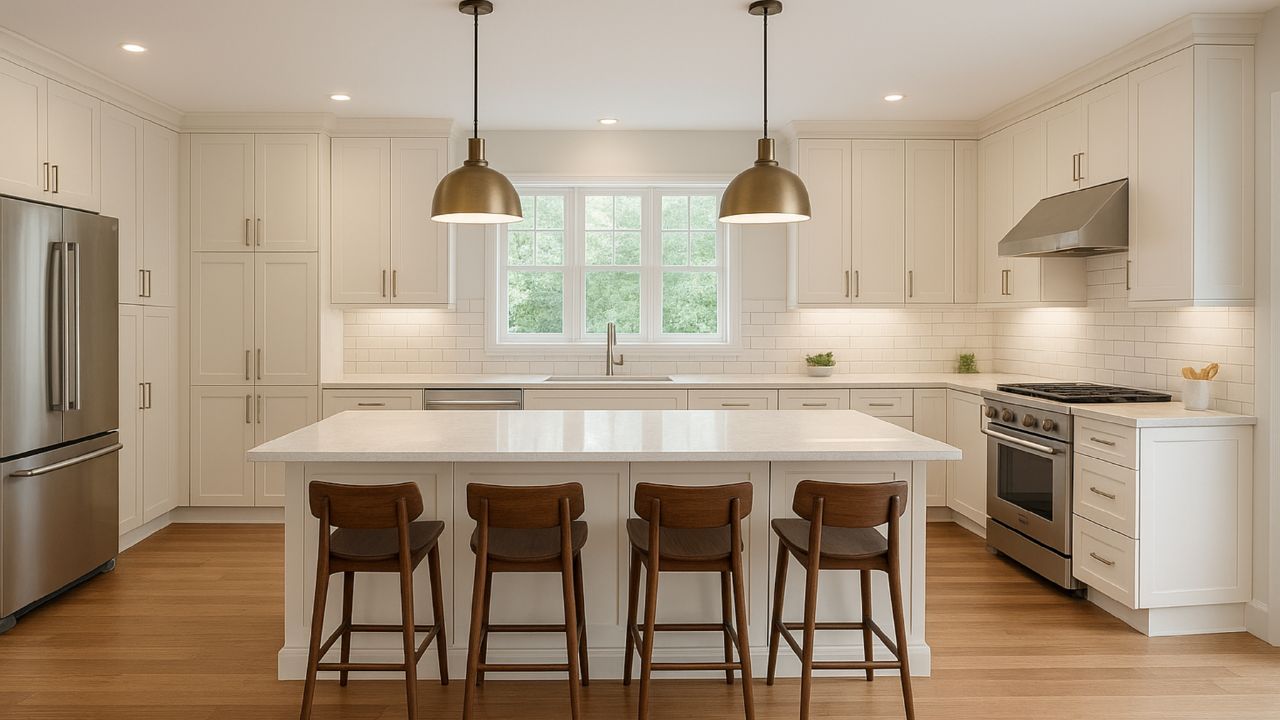
A kitchen renovation is one of the most exciting and challenging home improvement projects you can take on. It’s the heart of the home, where meals are made, conversations happen, and daily life unfolds. Done well, a renovated kitchen improves functionality, enhances lifestyle, and adds significant value to your home. Done poorly, it can become stressful, expensive, and disappointing.
This guide explains how to plan a successful kitchen renovation from start to finish using practical, experience-based advice. Whether you’re upgrading an outdated space or planning a full transformation, this article will help you make confident, informed decisions at every stage. It’s especially useful for homeowners considering Kitchen renovations Perth properties often require, where climate, layout, and lifestyle play an important role in design choices.
Understanding Your Kitchen Renovation Goals
Before selecting cabinetry or appliances, it’s essential to understand exactly why you’re renovating.
Ask yourself:
- Is the kitchen too small or poorly laid out?
- Do you lack storage or bench space?
- Are appliances outdated or inefficient?
- Is this renovation for personal enjoyment or resale value?
Clear goals prevent costly changes mid-project and keep decisions aligned with your budget and long-term needs. From experience, homeowners who begin with well-defined priorities are far more satisfied with the final result.
Setting a Realistic Budget and Planning for Surprises
One of the most common renovation mistakes is underestimating costs. A realistic kitchen renovation budget should include far more than cabinetry and appliances.
Budget areas to consider include:
- Design and planning
- Demolition and waste removal
- Cabinetry and benchtops
- Appliances
- Plumbing and electrical work
- Flooring and splashbacks
- Painting and finishing
- Council approvals if required
- A contingency allowance of at least 10 to 15 percent
Hidden issues such as outdated wiring or plumbing are common once demolition begins, so a buffer is essential.
Designing a Kitchen That Works in Real Life
A successful kitchen balances visual appeal with everyday practicality. A beautiful kitchen that doesn’t function well quickly becomes frustrating.
Focus on Layout and Workflow
Efficient kitchen design minimises unnecessary movement. The relationship between the sink, cooktop, and fridge should feel natural and intuitive.
Plan Storage Carefully
Good storage goes beyond cupboards. Deep drawers, pull-out pantries, corner solutions, and overhead cabinets significantly improve usability and keep benches clutter-free.
Get Lighting Right
Layered lighting is essential. Combine task lighting for food preparation, ambient lighting for general use, and feature lighting to add warmth and character.
Don’t Overlook Ventilation
A quality rangehood is critical, particularly in open-plan homes. Proper ventilation protects cabinetry, reduces odours, and improves indoor air quality.
Choosing Materials That Suit Australian Homes
Material selection plays a major role in durability and long-term satisfaction.
Cabinetry Options
Laminates are budget-friendly and durable, making them ideal for busy households. Polyurethane finishes offer a premium look at a higher cost, while timber or veneer provides warmth but requires more maintenance.
Benchtop Considerations
Engineered stone is popular for its durability and consistency. Natural stone offers a unique appearance but needs sealing. Laminate is affordable and modern, while porcelain provides exceptional durability at a higher installation cost.
Appliances That Perform Long Term
Choose energy-efficient appliances that meet Australian standards. Integrated appliances create a seamless look, while freestanding options often deliver better value and easier replacement.
Hiring the Right Professionals
Even the best plans rely on skilled trades and experienced professionals.
You may need:
- A kitchen designer
- A licensed builder
- Qualified electricians and plumbers
- Cabinet makers
- Tilers and painters
When selecting professionals:
- Check licences and insurance
- Ask for recent local references
- Review completed kitchen projects
- Request detailed written quotes
- Clarify timelines and payment schedules
Clear communication is just as important as craftsmanship, especially when you plan to renovate kitchen Perth homes where council regulations and construction standards may vary.
Managing the Renovation Process Step by Step
Understanding the renovation sequence helps reduce stress and downtime.
A typical process includes:
- Finalising design and specifications
- Confirming budget and contracts
- Ordering cabinetry and appliances early
- Demolition
- Plumbing and electrical rough-ins
- Cabinet installation
- Benchtop installation
- Splashbacks and flooring
- Appliance fitting
- Final inspections and clean-up
Setting up a temporary kitchen can make the renovation period far more manageable.
Pros and Cons of Renovating Your Kitchen
Benefits
- Improved daily functionality
- Increased property value
- Better energy efficiency
- A refreshed, modern look
Challenges
- Significant upfront cost
- Temporary loss of kitchen access
- Multiple decisions required
- Potential delays
Understanding both sides helps set realistic expectations and reduces renovation regret.
Common Kitchen Renovation Mistakes to Avoid
Industry experience shows these mistakes occur frequently:
- Prioritising appearance over functionality
- Skipping professional design advice
- Choosing low-quality materials
- Underestimating costs and timelines
- Poor storage planning
- Inadequate lighting
Avoiding these errors saves money and ensures long-term satisfaction.
Local Considerations and Approvals
Depending on the scope of work, council approvals may be required, particularly for structural changes or plumbing relocations. Working with experienced professionals familiar with local regulations ensures compliance and avoids unnecessary delays.
Frequently Asked Questions
How long does a kitchen renovation usually take?
Most kitchen renovations take between four and eight weeks once construction begins, depending on complexity and material lead times.
Should I renovate my kitchen before selling?
A well-executed renovation can significantly improve resale value, provided it suits the local market and budget.
Is it worth hiring a kitchen designer?
Yes. A professional designer often saves money by avoiding costly mistakes and maximising space efficiency.
Can I live at home during the renovation?
In most cases, yes, but expect disruption. Temporary cooking arrangements are strongly recommended.
What adds the most value in a kitchen renovation?
Functional layout, quality cabinetry, durable benchtops, effective lighting, and energy-efficient appliances deliver the strongest return.
Final Thoughts
Planning a successful kitchen renovation is not about chasing trends or rushing decisions. It’s about thoughtful preparation, realistic budgeting, smart design choices, and working with experienced professionals who understand how kitchens are used every day.
When done properly, a kitchen renovation transforms not only your home but the way you live in it. Take the time to plan carefully, invest where it matters most, and seek expert guidance to ensure your renovation delivers lasting value and everyday enjoyment.
