

Introduction
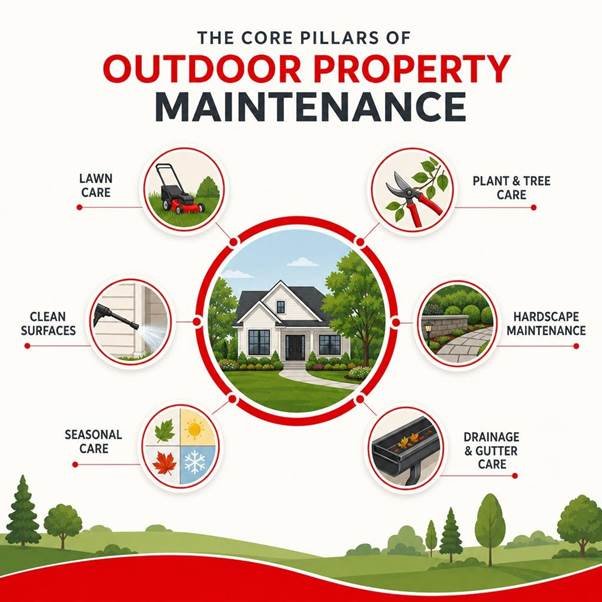
Your home represents one of your most significant investments. While we often focus on interior renovations, the truth is that your property’s exterior plays a critical role in its overall value, appeal, and structural integrity. Effective outdoor property maintenance is not merely about aesthetics; it’s about protecting that investment, ensuring longevity, and enhancing the quality of your living environment.
A well-maintained outdoor space creates a positive first impression and contributes to a higher market appraisal. Beyond green lawns and vibrant gardens, comprehensive care extends to all exterior elements. For instance, maintaining clean surfaces through professional exterior soft washing services can significantly boost curb appeal and prevent long-term damage to your siding, decks, and patios.
Throughout this extensive guide, we will explore the essential aspects of outdoor property maintenance. We will differentiate grounds maintenance from landscaping, identify crucial seasonal tasks, discuss the tools and strategies needed, and highlight how professional services can maximize your property’s value.
Differentiating Grounds Maintenance from Landscaping
While often used interchangeably, “grounds maintenance” and “landscaping” represent distinct but complementary aspects of outdoor property care. Understanding this distinction is crucial for property owners seeking to manage their outdoor spaces effectively. Landscaping focuses on the initial design and creation of an outdoor environment, while grounds maintenance is dedicated to the ongoing upkeep and preservation of that environment.
Landscaping encompasses the artistic and technical process of designing, planning, and installing outdoor features. This can involve everything from shaping the terrain and installing irrigation systems to planting trees, shrubs, and flowerbeds, and constructing hardscapes like patios and walkways. It’s about transforming a space and establishing its aesthetic and functional layout.
Grounds maintenance, on the other hand, is the continuous, systematic care required to keep an established landscape healthy, attractive, and functional. It’s the regular work that preserves the initial investment and ensures the outdoor space meets its operational goals year after year. This includes routine tasks like mowing, pruning, fertilizing, and seasonal cleanups, as well as more specialized care such as pest management and irrigation system checks.
Initial Installation vs. Ongoing Preservation
The primary difference lies in their scope and objectives. Landscaping is about creation and transformation. It involves significant upfront projects that fundamentally alter the appearance and utility of an outdoor area. This could mean designing intricate garden layouts, installing new hardscaping features like paver patios or retaining walls, or undertaking structural grading to improve drainage and create usable spaces. These are often one-time or large-scale projects aimed at a complete property transformation. When planning such projects, especially those involving significant design elements, many property owners consult with experts in landscape design and tree services to ensure their vision is realized with professional precision and horticultural knowledge.
Grounds maintenance, conversely, is about preservation and consistent upkeep. Once a landscape is established, grounds maintenance ensures its long-term health and aesthetic appeal. It’s the recurring effort that protects the initial investment, preventing deterioration and addressing issues as they arise. This ongoing preservation ensures that the property remains beautiful, functional, and safe throughout its lifespan.
Applying Maintenance Strategies to Outdoor Property Maintenance
Just like any other asset, outdoor property benefits from structured maintenance strategies. Applying concepts like preventive, corrective, condition-based, and predictive maintenance helps property owners and managers approach grounds care systematically, extending the asset lifespan of their outdoor elements.
- Preventive Maintenance (PM): This involves scheduled, routine tasks designed to prevent issues before they occur. Examples in grounds care include regular fertilization to keep lawns healthy, pruning trees and shrubs to encourage proper growth and remove potential hazards, and seasonal irrigation system checks to catch small leaks early. PM is crucial for maintaining the overall health and appearance of a property, reducing the likelihood of costly emergency repairs.
- Corrective Maintenance: This is reactive maintenance performed to fix a problem after it has occurred. For instance, repairing a broken sprinkler head, replacing a diseased plant, or patching a damaged section of a walkway are all forms of corrective maintenance. While sometimes unavoidable, an over-reliance on corrective maintenance can lead to higher costs and more significant disruptions.
- Condition-Based Maintenance (CBM): CBM involves monitoring the condition of an asset to determine when maintenance is needed. In grounds care, this might include regularly inspecting trees for signs of disease or structural weakness, checking soil moisture levels to optimize irrigation, or assessing the wear and tear on hardscapes to schedule repairs before they become safety hazards. This approach allows for more efficient resource allocation by performing maintenance only when necessary.
- Predictive Maintenance (PdM): This is the most advanced strategy, using data and analytics to forecast when maintenance will be required. While less common for general grounds care, it can be applied to complex irrigation systems equipped with sensors that predict component failure, or sophisticated turf management systems that use weather data and soil analysis to predict optimal fertilization or pest treatment times. PdM aims to minimize downtime and maximize efficiency by addressing issues just before they become critical.
By integrating these strategies, property owners can create a comprehensive maintenance plan that is both proactive and responsive, ensuring their outdoor spaces remain vibrant and valuable for years to come.
Core Components of Comprehensive Outdoor Property Maintenance
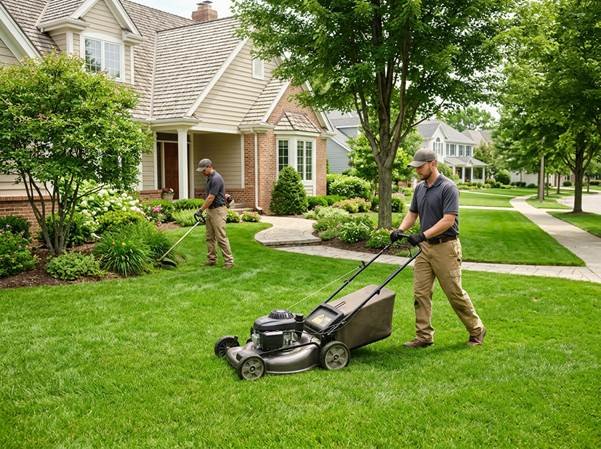
Effective outdoor property maintenance is a multifaceted endeavor that addresses every element of your exterior space. From the lushness of your lawn to the structural integrity of your pathways, each component requires specific care to contribute to overall turf health, plant care, irrigation management, and hardscape integrity. A professional maintenance crew servicing a residential lawn illustrates the dedicated effort required to keep properties in top condition.
Lawn Care and Turf Management
The lawn is often the focal point of an outdoor space, and its health significantly impacts curb appeal. Comprehensive lawn care and turf management involve a series of scheduled treatments and practices throughout the year.
- Fertilization Programs: Tailored fertilization programs provide essential nutrients to promote dense, green growth. These typically involve several applications throughout the growing season, often starting with a slow-release formula in early spring.
- Pre-Emergent Herbicide: Applied in early spring, before weed seeds germinate, pre-emergent herbicides create a barrier that prevents common weeds like crabgrass from sprouting, leading to a much cleaner lawn throughout the summer.
- Core Aeration: This process involves removing small plugs of soil from the lawn, which helps to alleviate soil compaction, improve air circulation, and allow water and nutrients to penetrate deeper to the grassroots. It’s typically performed in the fall or spring.
- Dethatching: Over time, a layer of dead grass and organic matter, known as thatch, can build up on the soil surface, impeding water and nutrient absorption. Dethatching removes this layer, promoting healthier turf.
- Precision Edging: Beyond mowing, precision edging along sidewalks, driveways, and garden beds provides a crisp, clean border that significantly enhances the groomed appearance of the lawn.
Tree, Shrub, and Hardscape Preservation
Beyond the lawn, the health of your trees and shrubs, and the condition of your hardscapes, are vital for both aesthetics and safety.
- Ornamental Pruning: Regular pruning of trees and shrubs is essential for maintaining their shape, promoting healthy growth, removing dead or diseased branches, and ensuring they don’t obstruct pathways or views. For trees under 10 feet, this can be part of routine maintenance; larger trees often require certified arborists.
- Pest Management: Monitoring and treating for common plant pests and diseases protects your landscape investment. This often involves integrated pest management (IPM) strategies that minimize chemical use while effectively controlling infestations.
- Paver Restoration: Over time, paver patios, walkways, and driveways can settle unevenly, accumulate dirt and algae, and lose their joint sand. Paver restoration involves leveling uneven sections, thorough cleaning, replacing joint filler (often with polymeric sand), and applying a sealant to protect against weather and wear. This process is recommended every 3 to 5 years to extend the lifespan of the hardscape.
- Joint Sanding: For new or restored pavers, proper joint sanding is critical. This fills the gaps between pavers, locking them into place, preventing weed growth, and enhancing stability.
- Surface Cleaning: Hard surfaces like patios, decks, and even siding can accumulate dirt, mildew, and grime, detracting from your property’s appearance and potentially causing damage. Regular cleaning is essential. For delicate surfaces or to ensure a thorough, gentle clean, considering professional exterior soft washing services can make a significant difference, preserving the material while removing stubborn stains.
Irrigation Management and Drainage Systems
Proper water management is fundamental to a healthy landscape and the structural integrity of your property.
- Spring Startups: Each spring, irrigation systems require a professional startup. This involves slowly repressurizing the system, checking for leaks, adjusting sprinkler heads for optimal coverage, and programming controllers for the upcoming growing season.
- Backflow Testing: Many municipalities require annual backflow testing to ensure that contaminated water from the irrigation system cannot flow back into the potable water supply. This is a crucial health and safety measure.
- Smart Controllers: Modern irrigation systems often feature smart controllers that use local weather data, soil moisture sensors, and plant-specific needs to automatically adjust watering schedules. This optimizes water usage, reduces waste, and ensures plants receive appropriate hydration.
- French Drains: For properties with persistent water accumulation or poor drainage, French drains are an effective solution. These subsurface drainage systems redirect water away from foundations and saturated areas, preventing erosion and potential structural damage.
- Site Grading: Proper site grading ensures that water flows away from your home’s foundation. This structural element is often addressed during initial landscaping but may require corrective work if drainage issues arise, protecting your property from water-related damage.
Seasonal Planning and Essential Equipment
Effective outdoor property maintenance is inherently seasonal, adapting to weather transitions and the natural plant cycles throughout the year. A well-structured seasonal plan, supported by the right tools and equipment, ensures maximum efficiency and optimal results.
Seasonal Checklist for Outdoor Property Maintenance
Planning tasks according to the season is paramount for a healthy and vibrant exterior. Here’s a general overview of essential tasks throughout the year in August 2026:
- Spring (March – May):Lawn Care: Apply pre-emergent herbicide and initial fertilization. Perform core aeration if needed.
- Plant Care: Prune dormant trees and shrubs (before new growth). Plant new annuals and perennials. Inspect for overwintered pests.
- Irrigation: Perform system startup, check for leaks, and adjust heads.
- Cleanups: Remove winter debris, leaves, and fallen branches. Pressure wash decks and patios.
- Summer (June – August):Lawn Care: Regular mowing (adjusting height for heat), spot treat weeds, and continue fertilization as needed.
- Plant Care: Water consistently, especially during dry spells. Deadhead flowers. Prune hedges and shrubs after spring growth. Monitor for pests and diseases.
- Irrigation: Monitor system performance, adjust for heat, and conduct mid-season checks.
- Cleanups: Keep beds weed-free.
- Fall (September – November):Lawn Care: Final fertilization, overseeding, and aeration. Leaf removal is critical to prevent smothering the lawn.
- Plant Care: Plant fall bulbs. Transplant trees and shrubs. Winterize delicate plants.
- Irrigation: Perform system winterization and backflow testing.
- Cleanups: Extensive leaf removal, gutter cleaning, and general tidying.
- Winter (December – February):Lawn Care: Minimal activity. Apply dormant oil to certain plants.
- Plant Care: Protect sensitive plants from frost.
- Hardscapes: Clear snow and ice from walkways and driveways.
- Equipment: Perform maintenance on tools, sharpen blades, and drain fuel from gas-powered equipment.
Essential Tools and Equipment Selection
Having the right tools is fundamental for efficient and effective outdoor maintenance. Investing in quality equipment can save time, effort, and improve results.
- Multi-Attachment Heads: These versatile tools allow a single power unit to operate various attachments like trimmers, edgers, pole pruners, and cultivators, reducing clutter and simplifying maintenance.
- Battery Platforms: The advent of powerful battery-powered tools has revolutionized outdoor maintenance. A standardized battery platform allows you to use the same batteries across multiple tools (mowers, blowers, trimmers), eliminating the need for gas and simplifying charging.
- Zero-Turn Mowers: For larger properties, zero-turn mowers offer superior speed and maneuverability, significantly reducing mowing time.
- Pressure Washers: Essential for cleaning hardscapes, siding, and vehicles, pressure washers quickly remove dirt, grime, and mildew.
- Safety Gear: Always prioritize safety. Essential gear includes gloves, eye protection, hearing protection, sturdy footwear, and appropriate clothing for the task at hand.
Maximizing ROI and Selecting Maintenance Professionals
A well-maintained outdoor property is more than just aesthetically pleasing; it’s a strategic asset that significantly contributes to your property’s market appraisal and overall financial return. When considering the investment in outdoor property maintenance, it’s helpful to view it through the lens of maximizing return on investment (ROI).
Property Value and Financial Return
Studies consistently show that superior landscaping and property maintenance can dramatically increase a home’s value. For instance, well-executed landscaping can boost property values by up to 12 percent. One referenced study even found that homes valued at $150,000 could see an increase of up to $19,000 with sophisticated landscapes featuring color and large plants. This translates directly into a higher appraisal value and a stronger position in the market.
Curb appeal is not just a buzzword; it’s a tangible factor influencing buyer perception. A meticulously cared-for exterior signals to potential buyers that the property has been well-maintained overall, both inside and out. Beyond the greenery, structural elements also play a role. Features like well-maintained patios, retaining walls, and even specialized installations such as custom shade and hurricane protection can enhance functionality, aesthetic appeal, and provide long-term protection, all contributing to a higher perceived value and a faster sale.
Selecting a Qualified Maintenance Provider
Choosing the right professional property maintenance company is a critical decision that impacts the longevity and value of your outdoor investment. Not all providers offer the same level of service, expertise, or reliability. Here are key factors to consider when vetting potential contractors:
- Licensing Credentials: Ensure the company holds all necessary state and local licenses (e.g., home improvement contractor licenses, pesticide applicator licenses). These credentials indicate professionalism and adherence to industry standards.
- In-House Labor: Companies that utilize their own trained, in-house crews often provide more consistent quality and accountability compared to those that heavily rely on subcontractors. This also ensures better communication and a more unified approach to your property’s care.
- Photo Documentation: For larger properties or commercial accounts, look for providers who offer photo documentation of work completed. This provides transparency, allows you to track progress, and ensures consistent service, especially across multi-property portfolios.
- Insurance Coverage: Verify that the company carries comprehensive liability insurance and workers’ compensation. This protects you from financial responsibility in case of accidents or damage on your property.
- Service Consistency: Inquire about their scheduling practices, response times, and how they ensure consistency across visits. Reliable weekly schedules and proactive communication are hallmarks of a dependable provider. Ask about their approach to backup coverage if a crew member is unavailable.
- Specialization and Expertise: Consider if the company specializes in the specific services you need, whether it’s intricate landscape design, advanced irrigation management, or comprehensive tree and shrub care. Some companies excel in structural projects like grading and drainage, while others focus on routine turf maintenance.
By carefully evaluating these aspects, you can select a maintenance provider who will not only keep your property looking its best but also actively contribute to its long-term value and structural integrity.
Frequently Asked Questions
Property owners often have specific questions when it comes to managing their outdoor spaces. Here, we address some of the most common inquiries to provide clarity and guidance.
What is the difference between grounds maintenance and landscaping?
The distinction between grounds maintenance and landscaping lies primarily in their scope and objectives. Landscaping involves the initial design, planning, and installation of outdoor features, such as planting new gardens, constructing patios, or re-grading terrain. It’s about creating or transforming an outdoor space. Grounds maintenance, on the other hand, is the ongoing, routine care required to preserve and upkeep an existing landscape. This includes tasks like mowing, pruning, fertilizing, weeding, and seasonal cleanups. While landscaping establishes the aesthetic and functional layout, grounds maintenance ensures its long-term health, appearance, and property preservation.
How does outdoor property maintenance increase home value?
Outdoor property maintenance significantly increases home value through several key mechanisms. Firstly, it dramatically enhances curb appeal, making a property more attractive to potential buyers and leading to a higher market valuation. Studies have shown that well-maintained landscapes can increase property values by up to 12 percent. Secondly, consistent maintenance protects the structural elements of your home. Proper drainage, for instance, prevents foundation damage, while well-maintained trees reduce the risk of falling branches. This proactive approach safeguards your investment and reduces future repair costs. Finally, a meticulously cared-for exterior suggests that the entire property has been well-maintained, instilling confidence in buyers and offering a strong return on investment.
What services are included in a standard maintenance contract?
A standard outdoor property maintenance contract typically encompasses a range of essential services designed to keep your grounds healthy and attractive throughout the year. Common inclusions are:
- Mowing Schedules: Regular lawn mowing, often on a weekly or bi-weekly basis during the growing season, including trimming and edging.
- Seasonal Cleanups: Comprehensive spring cleanups to remove winter debris and prepare beds, and fall cleanups for leaf removal and winter preparation.
- Shrub Trimming: Routine pruning and shaping of shrubs and hedges to maintain their health and aesthetic form.
- Weed Control: Application of herbicides to manage weeds in lawns and garden beds, often combined with manual weeding.
- Fertilization: Scheduled applications of fertilizers to promote healthy lawn and plant growth.
- Mulching: Replenishing mulch in garden beds to conserve moisture, suppress weeds, and improve appearance.
- Irrigation Checks: Periodic inspections and adjustments of the irrigation system.
More comprehensive contracts might also include services like pest management, tree care (for smaller trees), aeration, overseeding, and even snow removal in winter months. It’s always best to discuss your specific needs with a provider to tailor a contract that fits your property.
Conclusion
In August 2026, the importance of outdoor property maintenance for homeowners and commercial property managers remains as critical as ever. It’s a strategic investment that extends far beyond mere aesthetics, directly influencing property value, structural integrity, and overall environmental quality. By understanding the distinction between landscaping and ongoing grounds care, and by implementing systematic upkeep strategies, property owners can ensure the long-term durability and beauty of their outdoor spaces.
Whether you’re tackling tasks yourself or entrusting them to professionals, a proactive approach to outdoor property maintenance is key to protecting your assets. From seasonal lawn care to sophisticated irrigation management and the preservation of hardscapes, every effort contributes to a healthier, more valuable, and more enjoyable property. Embrace comprehensive outdoor property maintenance as an essential form of asset management, and watch your investment flourish.
