

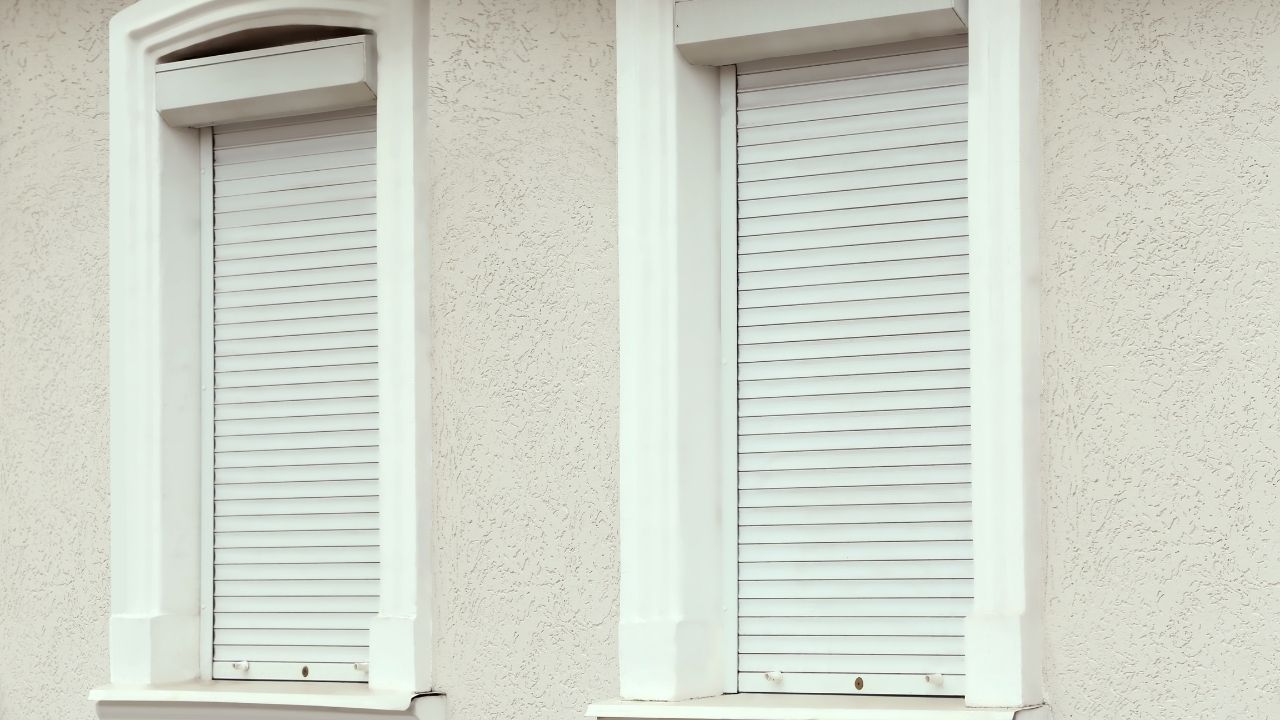
Installing roller shutters is one of the smartest upgrades you can make to a home or commercial property. Whether your goal is security, insulation, noise reduction, or protection from harsh weather, correctly measured and properly installed roller shutters make all the difference.
However, many problems people face with roller shutters — sticking, gaps, poor insulation, or early wear — come down to incorrect measuring or rushed installation. This guide is written from hands-on industry experience to help you get it right the first time.
If you’re planning new shutters or researching roller shutters in Perth, it’s also worth understanding how they compare with other exterior shading solutions such as Outdoor Blinds Perth, which are often used alongside shutters to improve comfort and sun control.
Why Accurate Measurement and Installation Matter
Roller shutters are precision products. Even a few millimetres off can affect performance and lifespan.
Correct measuring and installation ensures:
- Smooth operation (manual or motorised)
- Maximum insulation and noise reduction
- Proper security coverage
- Weather resistance against wind, dust, and rain
- Longer shutter lifespan with fewer repairs
Poor installation, on the other hand, can void warranties and lead to costly rework.
Understanding Roller Shutter Installation Types
Before measuring, you must know how the shutter will be installed.
Face Fit (Outside Mount)
The shutter sits on the exterior wall, covering the window opening.
Best for:
- Maximum light block-out
- Enhanced security
- Windows with limited internal space
Reveal Fit (Inside Mount)
The shutter fits inside the window recess.
Best for:
- Clean, flush appearance
- New builds or deep window reveals
Choosing the wrong type can result in measurement errors, so decide this first.
Tools and Preparation Checklist
Before measuring, gather the following:
- Steel tape measure (not fabric)
- Pencil and notepad
- Spirit level
- Ladder (if required)
- Camera or phone (to record details)
Pro Tip: Always measure twice and record measurements clearly. Never rely on old plans or visual estimates.
How to Measure Roller Shutters Correctly
Step-by-Step: Face Fit Measurements
- Measure the width of the opening at three points:
- Top
- Middle
- Bottom Use the widest measurement.
- Measure the height at three points:
- Left
- Centre
- Right Use the tallest measurement.
- Add allowances:
- Extra width for guide rails
- Space above for shutter box (important for motorised shutters)
Step-by-Step: Reveal Fit Measurements
- Measure the internal width at top, middle, and bottom.
- Measure internal height at left, centre, and right.
- Use the smallest measurement for both width and height.
- Deduct 5–10mm for clearance, depending on manufacturer guidelines.
Measurement Table Example
Installation TypeWidth RuleHeight RuleFace FitUse widestUse tallestReveal FitUse narrowestUse shortest
Common Measuring Mistakes to Avoid
- Measuring only once
- Ignoring uneven brickwork
- Forgetting shutter box height
- Measuring from trims instead of brickwork
- Assuming all windows are the same size
These errors are far more common than people realise.
How to Install Roller Shutters Correctly
Note: While DIY installation is possible, professional installation is recommended for motorised or large shutters.
Step 1: Prepare the Opening
- Clean the surface
- Remove obstructions
- Check wall strength for fixing points
Step 2: Install the Guide Rails
- Ensure rails are perfectly vertical
- Use a spirit level
- Secure firmly but don’t overtighten
Step 3: Fit the Shutter Box
- Position above the opening
- Ensure level alignment
- Fix into solid masonry or frame
Step 4: Insert the Curtain
- Carefully slide the shutter curtain into the rails
- Avoid scratching or bending slats
Step 5: Test Operation
- Open and close multiple times
- Check for resistance or noise
- Adjust if necessary
Electrical Considerations for Motorised Shutters
If your shutters are motorised:
- Power points must comply with Australian electrical standards
- Wiring should be concealed where possible
- Always use a licensed electrician
Incorrect wiring can damage motors and void warranties.
DIY vs Professional Installation
DIY Installation – Pros and Cons
Pros
- Lower upfront cost
- Flexible timing
Cons
- Higher risk of mistakes
- No workmanship warranty
- Electrical compliance risks
Professional Installation – Pros and Cons
Pros
- Precise fitting
- Manufacturer warranty protection
- Faster, cleaner installation
Cons
- Higher initial cost
From experience, professional installation usually saves money long-term.
Maintenance Tips After Installation
Proper installation is only part of the equation.
- Clean guide rails every 3–6 months
- Avoid forcing shutters
- Check for debris after storms
- Lubricate moving parts if recommended
Well-maintained shutters can last decades.
Frequently Asked Questions
How long does installation take?
Most residential installations take between 1–2 hours per window, depending on size and motorisation.
Can roller shutters be installed on existing homes?
Yes. Roller shutters are commonly retrofitted and do not require major structural changes.
How much clearance is needed above the window?
This depends on shutter size and motor type, but typically between 300–450mm.
Are roller shutters suitable for coastal areas?
Yes, provided you choose corrosion-resistant materials and ensure proper sealing during installation.
What happens if measurements are wrong?
Incorrect measurements often mean the shutter won’t fit, leading to delays, extra costs, or compromised performance.
Final Thoughts:
Measuring and installing roller shutters correctly is not just about aesthetics — it directly impacts security, insulation, and long-term durability. Precision, preparation, and experience matter more than speed.
Whether you’re choosing roller shutters alone or combining them with solutions like Outdoor Blinds Perth for better climate control, getting the measurements and installation right from the start ensures lasting comfort, energy efficiency, and peace of mind.
