

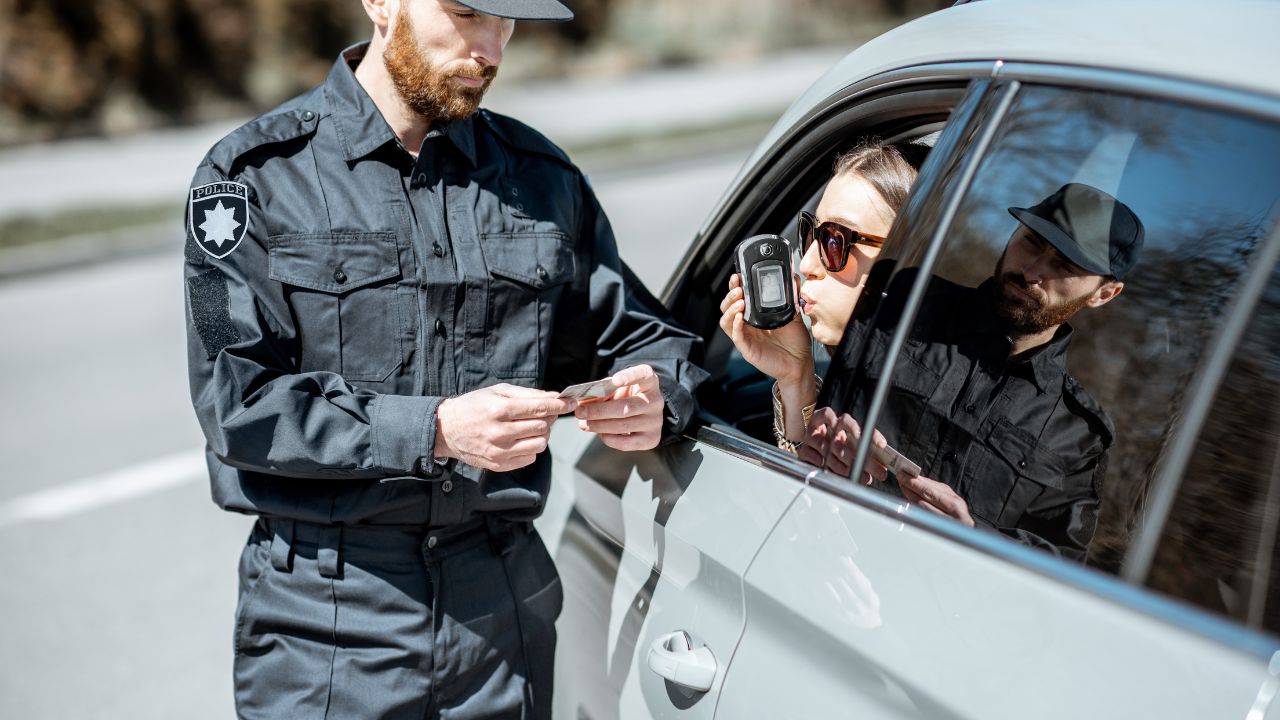
If you’ve ever watched a traffic stop in a movie or seen a DUI checkpoint on the road, you’ve probably noticed officers asking drivers to perform simple physical tasks. The quick answer to what are the three field sobriety tests is this: the Walk-and-Turn, the One-Leg Stand, and the Horizontal Gaze Nystagmus (HGN) test. These are known as the standardized field sobriety tests, and they’re widely used by law enforcement to assess possible impairment.
These tests aren’t random tricks. They’re designed to measure balance, coordination, attention, and eye movement—abilities that alcohol and certain drugs can affect. Let’s break down what each test involves, why it’s used, and what drivers should understand about them.
Why Field Sobriety Tests Exist in the First Place
Field sobriety tests help officers decide whether there’s probable cause to believe a driver is impaired. They’re usually given during a traffic stop when an officer notices signs like slurred speech, the smell of alcohol, or erratic driving.
The tests used today were standardized after research and validation by the National Highway Traffic Safety Administration. Standardization matters because it helps ensure consistency and reduces guesswork in roadside evaluations.
The First Test: Horizontal Gaze Nystagmus (HGN)
The Horizontal Gaze Nystagmus test focuses on eye movement. “Nystagmus” refers to involuntary jerking of the eyes, which becomes more noticeable when someone is impaired by alcohol or certain drugs.
How the Test Works
An officer asks the driver to follow a small object, like a pen or flashlight, with their eyes only—no head movement. As the eyes track the object from side to side, the officer watches for specific signs of impairment.
What Officers Look For
- Jerking of the eyes as they move side to side
- Jerking beginning earlier than normal
- Difficulty smoothly following the object
This test doesn’t depend on balance or physical strength, which is why it’s often given first.
The Second Test: Walk-and-Turn
The Walk-and-Turn test checks a person’s ability to follow instructions while performing physical movements. It’s designed to divide attention between thinking and moving, something alcohol can disrupt.
How the Test Works
The driver is asked to:
- Stand heel-to-toe while listening to instructions
- Take nine heel-to-toe steps in a straight line
- Turn using a specific method
- Walk back the same way
The instructions must be followed exactly as explained.
Signs of Possible Impairment
Officers observe whether the driver:
- Loses balance while standing
- Misses heel-to-toe contact
- Steps off the line
- Uses arms for balance
- Takes the wrong number of steps
This test can feel harder than it sounds, especially under pressure.
The Third Test: One-Leg Stand
The One-Leg Stand test focuses on balance and concentration. It looks simple, but it requires steady coordination.
How the Test Works
The driver is asked to:
- Stand with one foot raised about six inches off the ground
- Keep arms at the sides
- Count out loud for about 30 seconds
What Officers Watch For
- Swaying while balancing
- Hopping to maintain balance
- Putting the foot down too early
- Using arms for support
Even small movements can be noted during this test.
Why These Three Tests Are Used Together
Each test measures different physical and mental functions. When combined, they give officers a broader picture of impairment rather than relying on a single observation.
That said, these tests are indicators, not definitive proof. Weather conditions, nerves, fatigue, medical conditions, or uneven surfaces can all affect performance.
Are Drivers Required to Take Field Sobriety Tests?
In many places, field sobriety tests are voluntary, not mandatory. Refusing them may carry fewer immediate consequences than refusing a chemical test like a breathalyzer, but laws vary by location.
It’s always best to understand your local traffic laws before assuming anything during a stop.
Common Misunderstandings About Field Sobriety Tests
Let’s clear up a few myths:
- These tests are not pass-or-fail exams
- Perfect performance does not guarantee release
- Poor performance does not automatically mean guilt
- Medical or physical limitations can affect results
They are tools for observation, not final judgments.
Why Knowing About These Tests Matters
Understanding the three field sobriety tests helps drivers stay informed and calm if they ever encounter a DUI stop. Knowing what’s being asked—and why—can reduce confusion and anxiety in an already stressful situation.
Knowledge doesn’t change the law, but it helps people navigate it more confidently.
Final Thoughts
So, what are the three field sobriety tests? They are the Horizontal Gaze Nystagmus, Walk-and-Turn, and One-Leg Stand tests. Together, they help officers assess potential impairment by observing eye movement, balance, and divided attention.
Whether you’re learning for a driving exam, general awareness, or personal knowledge, understanding these tests gives you a clearer picture of how roadside evaluations actually work—and why they’re used the way they are.
