

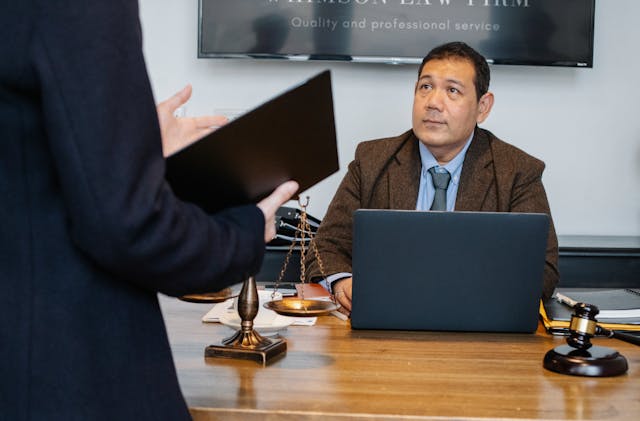
Premises liability cases happen when someone is injured on another person’s property due to unsafe conditions, negligence, or lack of proper maintenance. Premises liability cases make up roughly 17% of all personal injury claims in the U.S., according to RunSensible.
Such cases need investigating to determine liability. Every detail is important, so you need to make sure to gather enough proof from the scene. Witness testimonies are also important because they add another layer of truth to your claim.
Owners can be held liable if they acted with carelessness that caused harm to the victim, says premises liability lawyer Alexander Alvarez. But if the injured individual doesn’t have permission to be on the scene, like intruders or felons, owners may not be deemed responsible.
Here are the methods on how premises liability cases are investigated to determine liability.
Understanding Premises Liability Laws
You may be injured on an owner’s property, but you may not know that there are laws for that. Premises liability laws require property owners to ensure the safety of their occupants. When injured due to a property owner’s negligence—such as slippery floors or poorly lit areas—it is likely to be a valid claim.
When it comes to compensation claims, the average payout for slip and fall injury settlements in the United States often ranges from $10,000 to $50,000, though more serious cases involving long-term injuries or surgery can result in significantly higher payouts.
As you are learning your rights, remember that nobody is alone in such an unpleasing situation. These laws vary between states but generally expect property owners to act responsibly.
Knowing your rights is important to determine how you can press charges if you are ever injured on another person’s property. You deserve to feel welcome and safe wherever you go.
Initial Incident Report and Evidence Collection
Once an incident is documented, it is imperative to outline an initial incident report and collect all available data. This crucial step marks the beginning of winning the case and ensures the seriousness of the incident.
Documents must be carefully made: what happened, the exact moment, and where. Photos should clearly present the structural weaknesses leading to perilous conditions. It is important to note any other basic instructions that were ignored. Collection of other supporting documents such as receipts and medical records will strengthen your case.
The higher the level of proof now, the better your legal position, advantaging you later on. So, you would like to express, with deep confidence, that your story is heard and your experience accepted along the way.
Witness Interviews and Statements
While you may feel anguished after an incident, conducting interview investigations with witnesses is key to fortifying your lawsuit relating to premises liability. Witness accounts that contribute important details that support your allegations about the event can boost your case significantly.
Think about approaching witnesses in calmness to ask open-ended questions that lay the foundation for getting them to discuss matters from their perspective. They may fill in new information that you had missed all along, causing a better case to shape up.
First, you need to note their name and contact information. If possible, record the interview with their permission so you won’t miss anything. Collecting information is crucial to make sure that all angles of the scene are considered.
Your role is not just to help out with the case. This interview can also form a genuine bond with those poor people facing this crisis. Their narratives, their voices, and their willingness to open up all become essential in converging toward the truth.
Assessing Property Conditions and Maintenance Records
When lawsuits based on premises liability arise, the inspection of property conditions and maintenance records becomes essential, as such inspection could determine whether an element of negligence was present in the matter.
Investigating the property maintenance is crucial. Were there any hazards that could have been handled? Check the maintenance records for regular inspections or repairs.
If the owner showed a carefree attitude toward issues in existence for some time, then that needs to be looked at as a clear and hedonistic pattern of practice. Remember to check whether any safety measure was in place, such as a warning sign or barricades.
All such features could help form a better picture of the scenario in which the incident took place. Knowing the kind of management that takes place in a property links the conditions and the occurrence of an accident
Determining Fault and Liability
Every premises liability case rests on who becomes liable. A clear and definite understanding of the incident is required, with factors including the legal duties of property owners in providing safe premises, whether they knew in advance about dangerous conditions, and whether there was cause for question.
Evidence will be required to prove negligence; that evidence may come from witness statements, photographs, and maintenance records.
Consideration is given to the fault on the part of the injured in causing the accident. Shared liability may influence a case’s decision. It’s not about who is at fault but about holding the responsible party accountable and ensuring community safety.
