

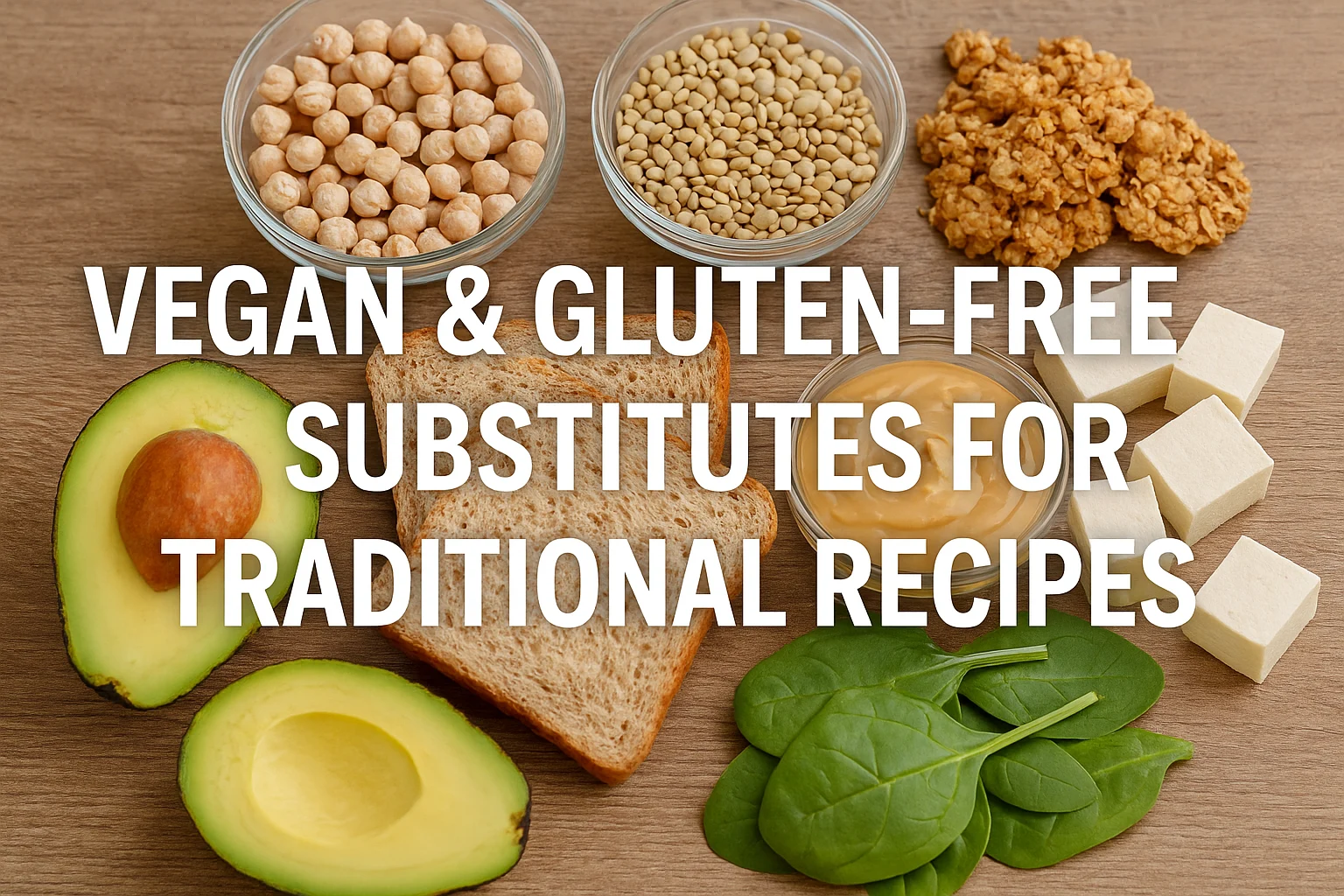
Traditional recipes often rely on ingredients like butter, milk, eggs, and wheat flour, which can be a challenge for people who follow a vegan or gluten-free lifestyle. But cooking without these ingredients doesn’t mean giving up flavors, textures, or comfort food. With the right substitutes, you can recreate almost any dish at home and still enjoy familiar tastes without compromising your dietary choices.
When I first explored alternative ingredients, I assumed that substitutes would alter the flavor too much or that meals would feel incomplete. But the more I experimented, the more I realized that plant-based and gluten-free cooking is simply about choosing smart replacements that do the same job as traditional ingredients. It helps people with allergies, health goals, or ethical preferences enjoy a wider variety of meals. Ingredients like almond flour, coconut milk, tofu, flaxseed, and legumes can easily replace common items in both sweet and savory dishes. Learning these substitutes makes cooking more inclusive and opens doors to creative recipes that work for everyone at the table.
Plant-Based Milk Alternatives
Plant-based milks are versatile and can replace dairy milk in almost any recipe. Different types work better depending on the dish.
- Almond milk: Great for smoothies, cereal, and baking
- Coconut milk: Ideal for curries, soups, and desserts
- Soy milk: Rich and good for coffee or chai
- Oat milk: Works well in sauces, pancakes, and hot chocolate
These options are widely available and often contain calcium and vitamins, making them nutritious substitutes.
Vegan Butter & Cheese Substitutes
Instead of dairy butter, you can use:
- Coconut oil for baking and sautéing
- Olive oil for pasta, bread, and roasting
- Avocado spread for toast and sandwiches
For cheese, options like nutritional yeast, cashew cream, and tofu-based cheese offer a similar savory taste. Nutritional yeast, in particular, gives a cheesy flavor to pasta, popcorn, and soups.
Gluten-Free Flour Options
Traditional wheat flour can be replaced with:
- Rice flour for crispy coatings and baking
- Almond flour for cakes, cookies, and breading
- Chickpea flour (besan) for pancakes, fritters, and Indian snacks
- Oat flour for flatbreads, cookies, and muffins
Many gluten-free flours offer higher protein or fiber content than wheat flour, making them a healthier alternative.
Egg Replacements in Vegan Baking
Eggs usually help bind, thicken, or add moisture. These substitutes do similar jobs:
- Flax egg: 1 tablespoon ground flaxseed + 3 tablespoons water
- Mashed banana: Best for muffins or pancakes
- Applesauce: Adds moisture to cakes and breads
- Silken tofu: Works well in brownies and dense cakes
These ingredients also make recipes suitable for people with egg allergies.
Meat Substitutes for Savory Dishes
Plant-based proteins can easily replace meat in traditional meals.
- Tofu: Absorbs flavors in stir-fries, curries, and grilling
- Tempeh: Great for marinating and frying
- Mushroom: Provides a meaty texture in pasta and stews
- Lentils and beans: Ideal for tacos, burgers, soups, and cutlets
These substitutes are not only ethical choices but also rich in protein and minerals.
Gluten-Free Substitutes for Breads & Pasta
Instead of wheat pasta or bread, try:
- Brown rice pasta or quinoa pasta
- Millet or sorghum-based rotis
- Corn tortillas for tacos
- Gluten-free bread made with oats or almond flour
These options are easier to digest for people sensitive to gluten.
With the right substitutes, vegan and gluten-free cooking becomes enjoyable instead of restrictive. It allows everyone to enjoy traditional flavors while adapting to health needs and personal choices. If you found this article informative, feel free to check out our other articles as well.
