

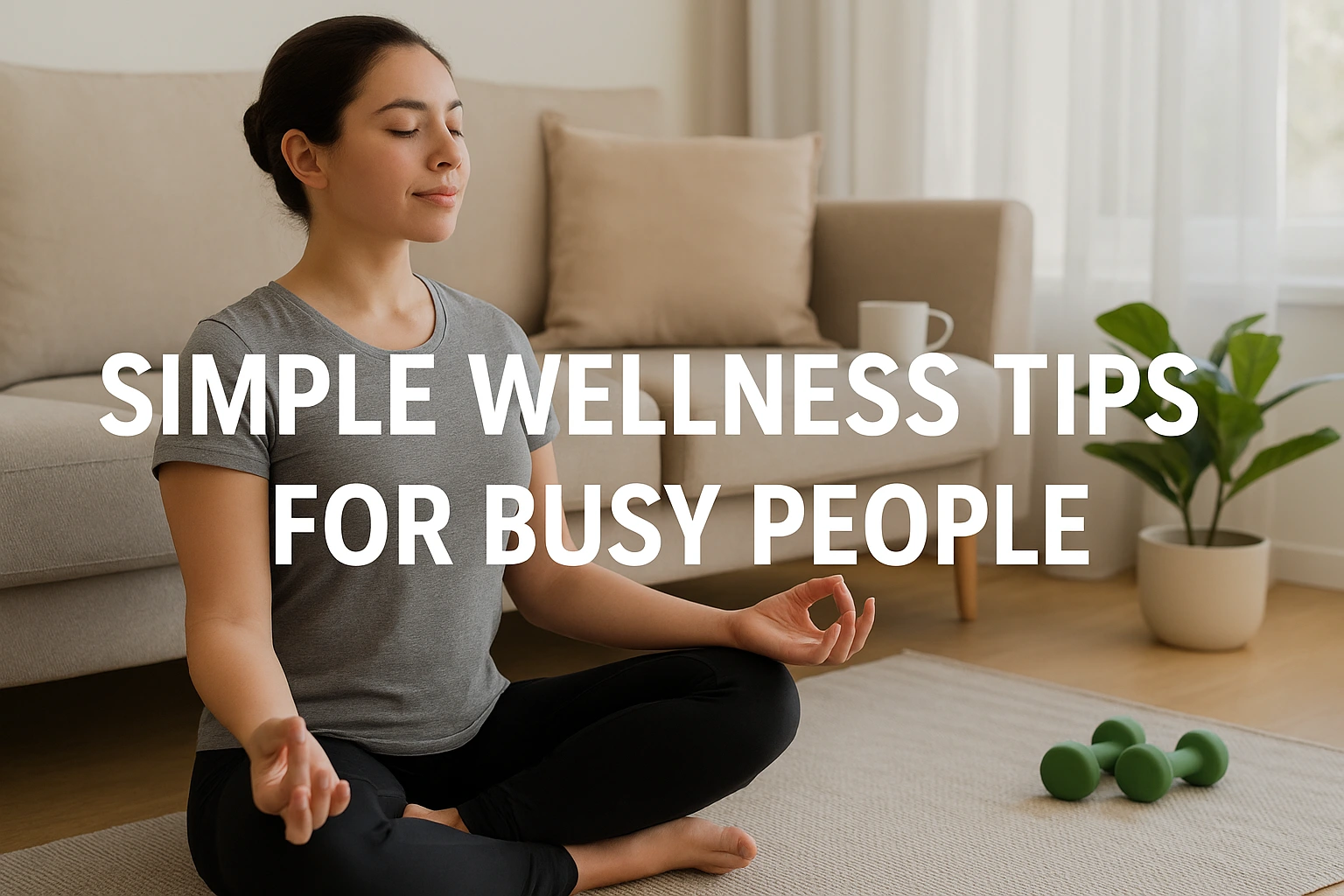
Staying healthy often feels difficult when your schedule is packed with work, family responsibilities, or long hours of travel and commuting. A busy lifestyle can easily push exercise, proper meals, and rest to the bottom of the priority list. Yet, wellness does not require hours at the gym or expensive health products. Small habits practiced daily can improve energy levels, reduce stress, and support long-term health.
When routines get demanding, we assume wellness is impossible without extra time or money. But real wellness is simply about making mindful choices in the middle of everyday life. I have noticed that when I take small actions like drinking more water, sleeping on time, or walking instead of sitting all day, I feel more productive and positive. Good health doesn’t come from sudden changes but from consistent, realistic practices. Understanding this helps busy individuals take care of themselves without feeling overwhelmed by big goals or restrictions. Wellness can fit into any lifestyle if we look for convenience, not perfection.
Stay Hydrated Throughout the Day
Drinking enough water is one of the easiest ways to stay healthy. Dehydration can cause headaches, fatigue, and lack of focus. Try these simple tricks:
- Keep a bottle next to your workspace
- Drink a glass before every meal
- Choose water instead of sugary drinks
This small habit helps maintain energy levels and improves digestion.
Eat Mindfully, Even If You’re Busy
Wellness does not mean following strict diets. Focus on simple and nutritious choices:
- Add fruits or nuts as quick snacks
- Choose home-cooked food whenever possible
- Avoid skipping meals and overeating later
Planning meals for the week or carrying snack boxes helps avoid junk food during busy hours.
Move Your Body in Small Ways
If you don’t have time for workouts, add movement to your routine. You can:
- Take short walking breaks
- Use stairs instead of elevators
- Stretch for five minutes every morning
- Do quick exercises while watching TV
Even 10 minutes of movement reduces stiffness and boosts mood.
Prioritize Sleep Quality
Sleep affects mood, immunity, and productivity. Instead of staying up late on screens, try:
- Keeping a consistent bedtime
- Limiting caffeine after evening
- Avoiding scrolling before sleeping
Even 30 minutes of extra sleep can make a noticeable difference.
Take Short Mental Breaks
Mental health plays a major role in overall wellness. Busy people often ignore stress until it becomes overwhelming. Try these short practices:
- Deep breathing for two minutes
- Listening to calming music
- Stepping outside for fresh air
- Writing thoughts in a notebook
These moments of calm help reset the mind during hectic days.
Reduce Screen Overload
Most people spend long hours on screens for work and entertainment. Limit screen strain by:
- Following the 20-20-20 rule (look 20 feet away for 20 seconds every 20 minutes)
- Keeping brightness comfortable
- Using night mode in the evening
Reducing screen fatigue helps prevent headaches and eye strain.
Make Wellness a Habit, Not a Task
Wellness should feel natural, not forced. Choose 2 or 3 habits that fit your routine, and practice them consistently. Small steps are easier to maintain than sudden lifestyle changes.
Wellness is possible for everyone, even with a packed schedule. All it takes is awareness and small, consistent actions that support physical and mental health. If you found this article informative, feel free to check out our other articles as well.
