

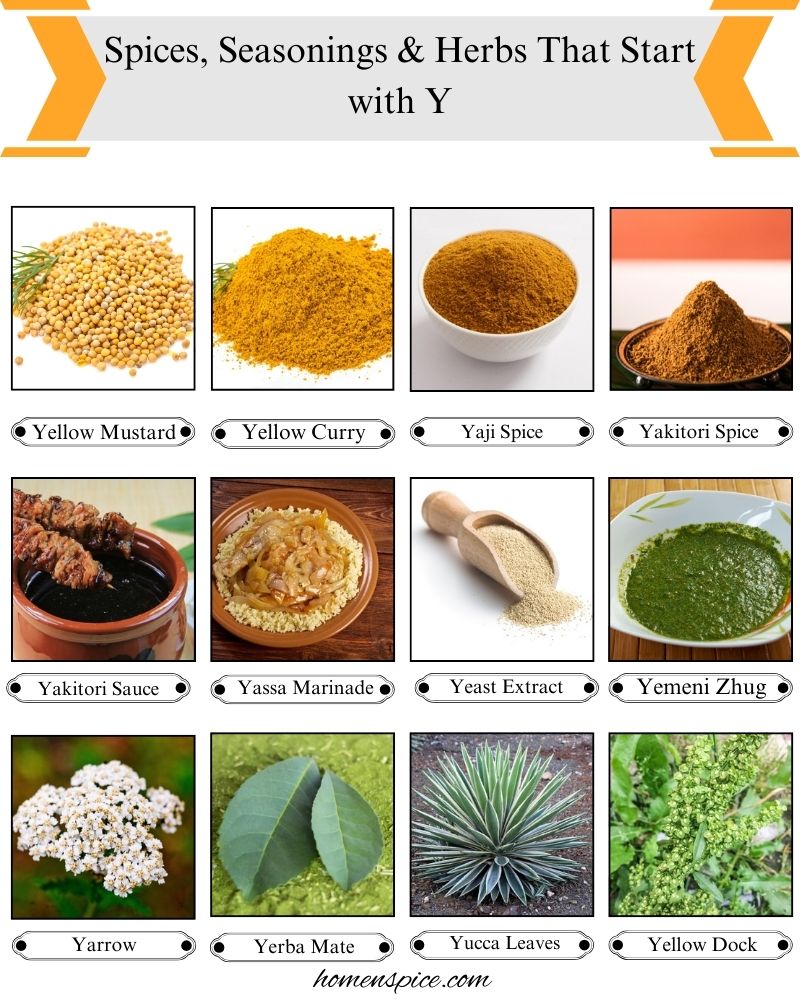
The letter Y brings with it a mix of comfort and curiosity. It’s the earthy bite of yellow mustard seeds sizzling in hot oil, the delicate sweetness of yarrow leaves tossed into a salad, or the sharp tang of yeast extract flavoring a hearty broth. These ingredients don’t just season food—they carry cultural stories, from rustic kitchens to street stalls around the world.
What makes Y so fun is its balance. Some Y-ingredients are humble staples you probably already use, while others are lesser-known treasures waiting to surprise you. In this guide, we’ll explore the spices, seasonings, and herbs that start with Y, showing how they bring brightness and depth to everyday cooking.
Spices that Start with Y
1. Yellow Mustard Seeds
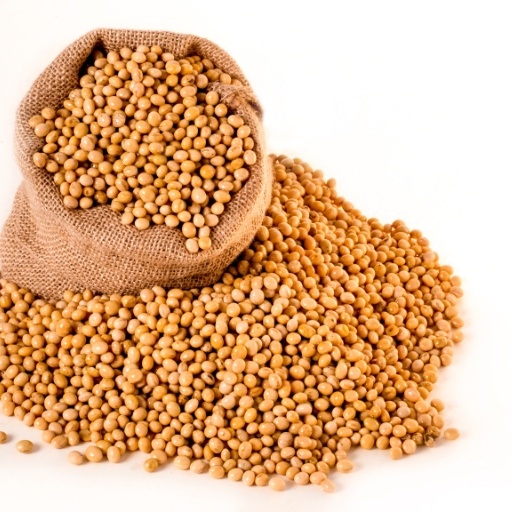
- Origin & History: Native to the Mediterranean; used since ancient Greek and Roman times.
- Appearance: Small, round, pale yellow seeds.
- Taste & Aroma: Mild, tangy, slightly nutty when ground.
- Culinary Uses: Pickling, curries, spice rubs, condiments.
- Health Benefits: Rich in selenium and omega-3 fatty acids.
- Fun Fact: The key ingredient in classic American yellow mustard.
2. Yaji Spice (Suya Spice)
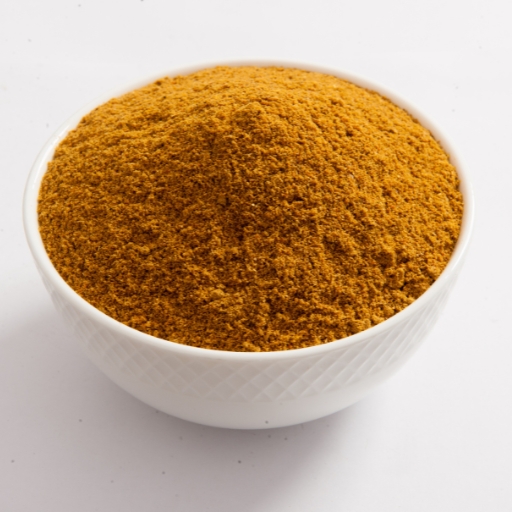
- Origin & History: Traditional Nigerian blend used for suya, a popular street food.
- Appearance: Reddish-brown coarse powder.
- Taste & Aroma: Spicy, nutty, savory.
- Culinary Uses: Meat skewers, grilled chicken, stews.
- Health Benefits: Peanuts add protein; chilies boost metabolism.
- Fun Fact: Yaji is so tied to suya that the two are almost inseparable in West Africa.
3. Yemeni Hawaij
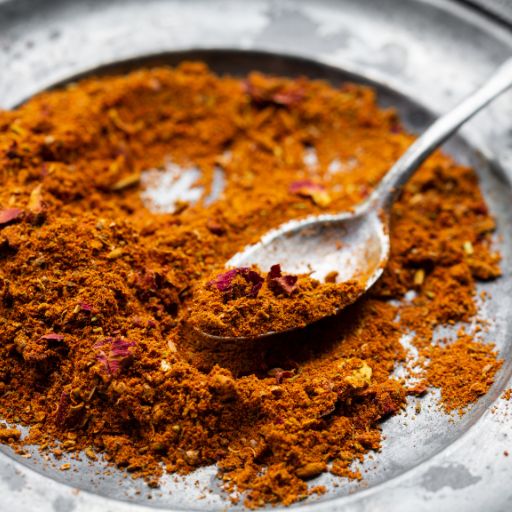
- Origin & History: Traditional spice mix from Yemen, with different versions for soups and coffee.
- Appearance: Golden-brown powder.
- Taste & Aroma: Warm, earthy, aromatic with hints of cumin and cardamom.
- Culinary Uses: Soups, stews, rice dishes, coffee.
- Health Benefits: Anti-inflammatory from turmeric and cardamom.
- Fun Fact: In Yemen, families often have their own closely-guarded hawaij recipes.
4. Yellow Curry Powder
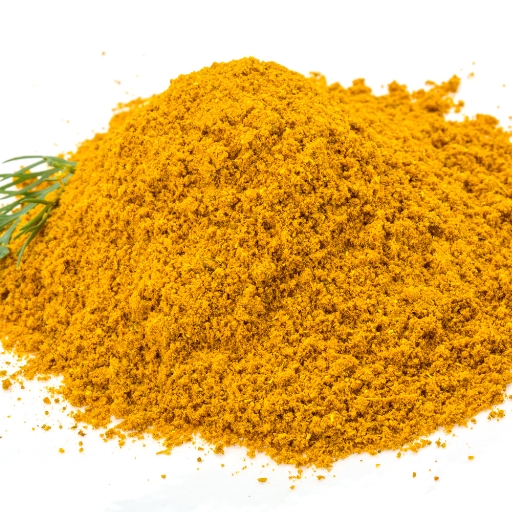
- Origin & History: South Asian-inspired spice blend popularized in Thai and Indian cuisines.
- Appearance: Bright yellow powder.
- Taste & Aroma: Earthy, slightly sweet, mildly spicy.
- Culinary Uses: Curries, stir-fries, soups, sauces.
- Health Benefits: Turmeric and ginger support digestion and immunity.
- Fun Fact: Known for its signature golden hue that brightens up any dish.
5. Yaji Pepper (West African Chili Blend)
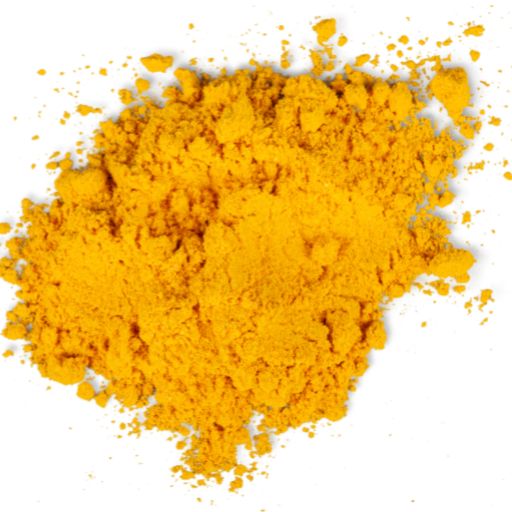
- Origin & History: A peppery variation of suya spice used across Nigeria and Niger.
- Appearance: Red chili powder mixed with ground nuts and spices.
- Taste & Aroma: Fiery, nutty, smoky.
- Culinary Uses: Kebab seasoning, grilled meats, bean dishes.
- Health Benefits: Capsaicin supports circulation and metabolism.
- Fun Fact: Street vendors often prepare their own unique Yaji pepper mix.
6. Yucca Root Powder (Spice Use)
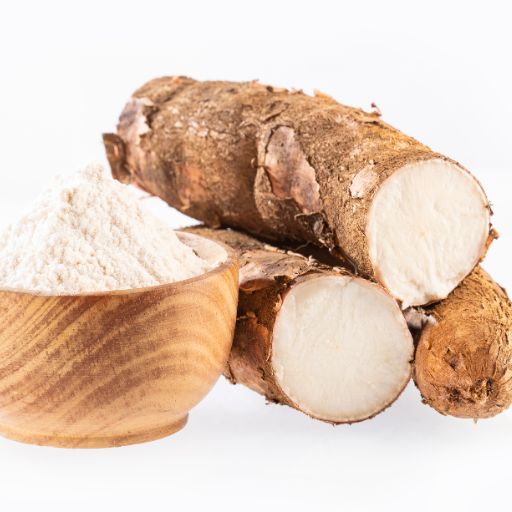
- Origin & History: Native to South America; used by Indigenous communities for centuries.
- Appearance: White, starchy powder from dried yucca root.
- Taste & Aroma: Mild, earthy, slightly sweet.
- Culinary Uses: Soups, spice rub bases, gluten-free baking.
- Health Benefits: Gluten-free and easy to digest; rich in fiber.
- Fun Fact: Yucca powder is sometimes used as a natural thickener in sauces.
Seasonings that Start with Y
1. Yakitori Sauce
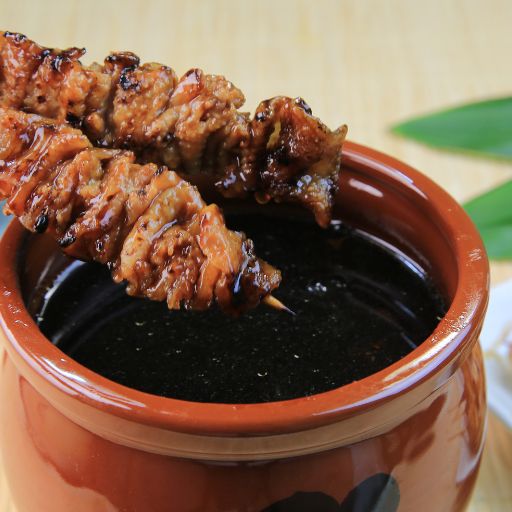
- Origin & History: Japanese glaze for skewered chicken, dating back centuries.
- Appearance: Dark, glossy brown sauce.
- Taste & Aroma: Sweet, salty, smoky.
- Culinary Uses: Grilled chicken skewers, dipping sauce, marinades.
- Health Benefits: Provides flavor without heavy fats; soy adds protein.
- Fun Fact: Sometimes called “tare,” a master sauce that’s reused and enriched over time.
2. Yassa Marinade
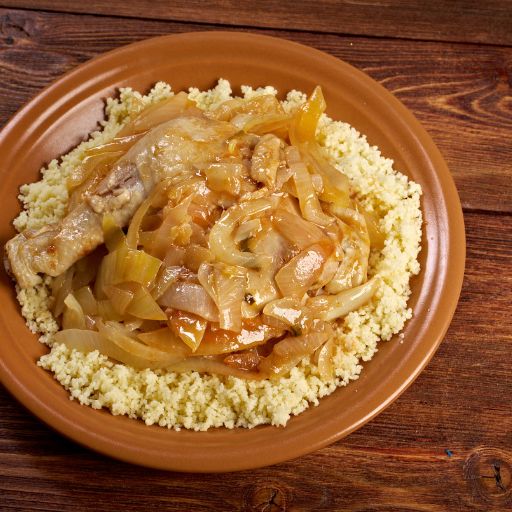
- Origin & History: Senegalese marinade used in the classic dish Chicken Yassa.
- Appearance: Golden, onion-rich mixture.
- Taste & Aroma: Tangy, citrusy, savory.
- Culinary Uses: Marinating chicken, fish, and vegetables.
- Health Benefits: Lemon provides vitamin C; onions boost immunity.
- Fun Fact: Yassa is one of Senegal’s national dishes, often made for gatherings.
3. Yaji Seasoning (Suya Mix)
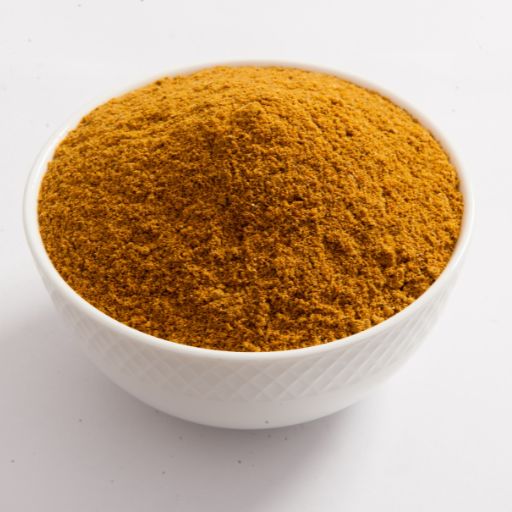
- Origin & History: Nigerian peanut-chili blend; a street food essential.
- Appearance: Coarse reddish-brown mix.
- Taste & Aroma: Spicy, nutty, smoky.
- Culinary Uses: Suya kebabs, roasted meats, bean cakes.
- Health Benefits: Peanuts add protein; chilies promote circulation.
- Fun Fact: Every suya seller (mai suya) has their own secret yaji mix.
4. Yeast Extract (Seasoning Base)
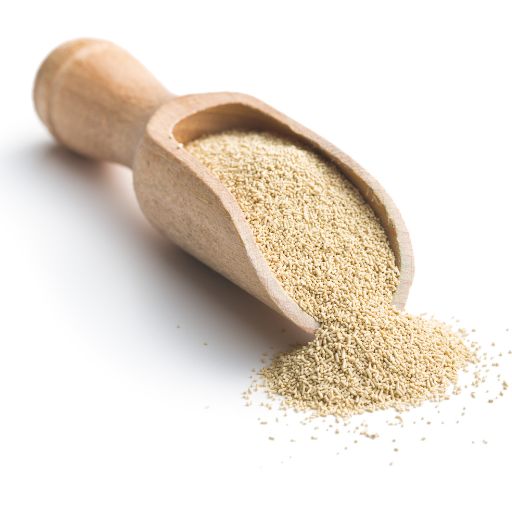
- Origin & History: Developed in the 20th century; famous in spreads like Marmite and Vegemite.
- Appearance: Thick dark brown paste.
- Taste & Aroma: Salty, umami-rich, savory.
- Culinary Uses: Soups, stews, broths, spreads on toast.
- Health Benefits: High in B vitamins; supports energy metabolism.
- Fun Fact: Love it or hate it—yeast extract spreads have cult followings worldwide.
5. Yemeni Zhug (Green Chili Paste)
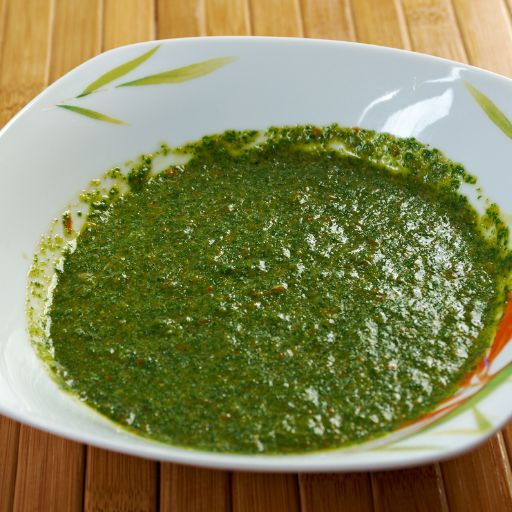
- Origin & History: A fiery condiment from Yemen, now popular across the Middle East.
- Appearance: Thick green paste.
- Taste & Aroma: Spicy, garlicky, herby.
- Culinary Uses: Flatbreads, meats, rice dishes, dips.
- Health Benefits: Chilies and garlic boost immunity and circulation.
- Fun Fact: Often described as Yemen’s answer to pesto, but much spicier.
6. Yellow Bean Sauce
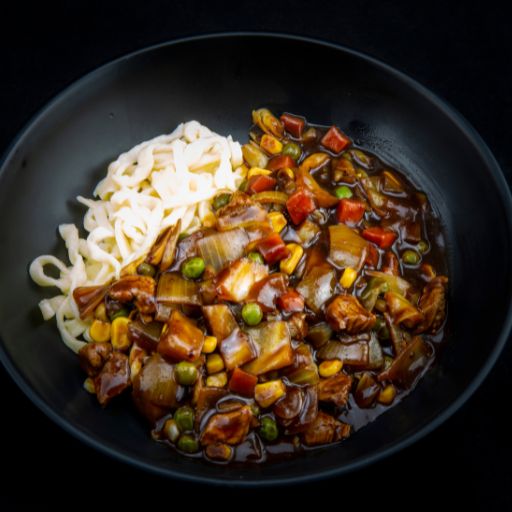
- Origin & History: Staple in Chinese cuisine; made from fermented soybeans.
- Appearance: Thick golden-brown paste.
- Taste & Aroma: Salty, earthy, umami.
- Culinary Uses: Stir-fries, noodle dishes, marinades.
- Health Benefits: Fermentation provides probiotics and minerals.
- Fun Fact: Known as “huang dou jiang” in Mandarin; key to many Sichuan dishes.
Herbs that Start with Y
1. Yarrow
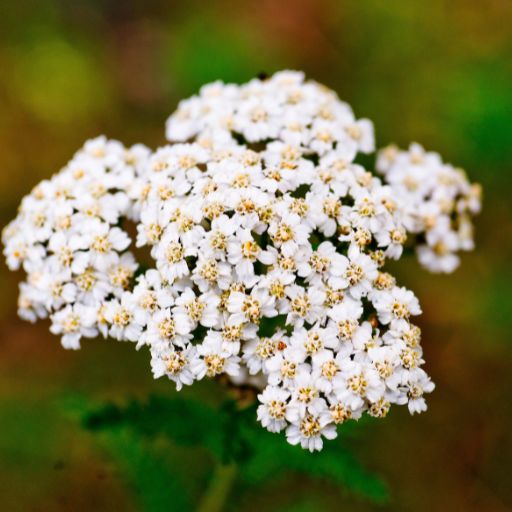
- Origin & History: Native to Europe and Asia; used since ancient Greek times.
- Appearance: Feathery green leaves with clusters of small white or pink flowers.
- Taste & Aroma: Bitter, earthy, slightly peppery.
- Culinary Uses: Teas, salads, soups, herbal liqueurs.
- Health Benefits: Traditionally used to support digestion and reduce inflammation.
- Fun Fact: In mythology, Achilles used yarrow to treat soldiers’ wounds—hence its Latin name Achillea millefolium.
2. Yerba Buena
- Origin & History: Grows in the Americas and Asia; name means “good herb” in Spanish.
- Appearance: Small, oval green leaves with trailing stems.
- Taste & Aroma: Minty, cool, refreshing.
- Culinary Uses: Herbal teas, cocktails, desserts, savory stews.
- Health Benefits: Soothes digestion and relieves headaches.
- Fun Fact: Yerba buena is the traditional mint used in classic mojitos.
3. Yerba Mate Leaves
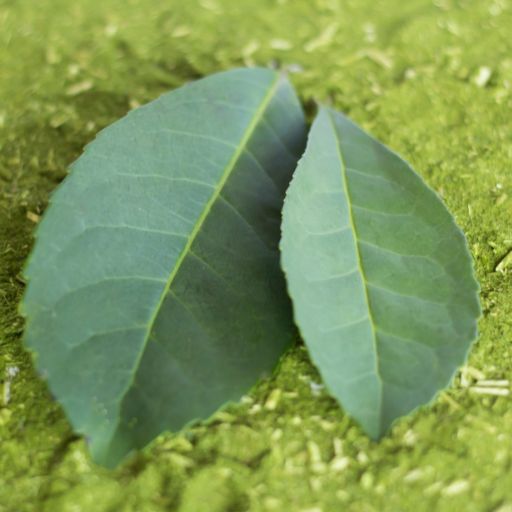
- Origin & History: Native to South America, especially Argentina, Paraguay, and Brazil.
- Appearance: Coarse, chopped green leaves and stems.
- Taste & Aroma: Herbal, grassy, slightly bitter.
- Culinary Uses: Brewed as a stimulating tea; also infused in sauces and marinades.
- Health Benefits: High in caffeine, antioxidants, and vitamins.
- Fun Fact: Drinking mate from a shared gourd is a cultural ritual in Argentina.
4. Yucca Leaves (Culinary Use)
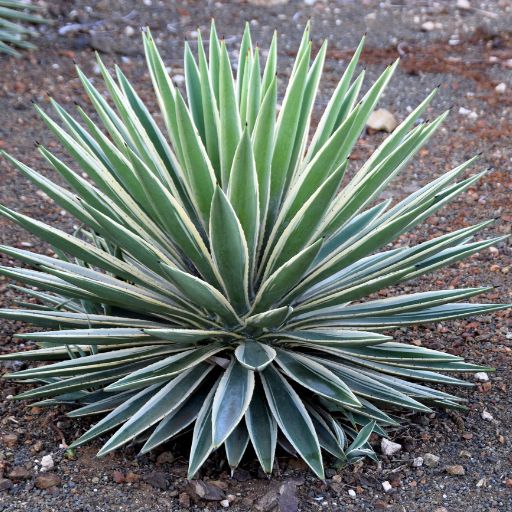
- Origin & History: Native to Central and South America.
- Appearance: Long, sword-like green leaves.
- Taste & Aroma: Mild, grassy (used sparingly).
- Culinary Uses: Wrapped around meats for slow-cooking, sometimes used in teas.
- Health Benefits: Traditionally linked to joint health and detox.
- Fun Fact: While the starchy root is better known, the leaves have niche culinary uses.
5. Yellow Dock Leaves
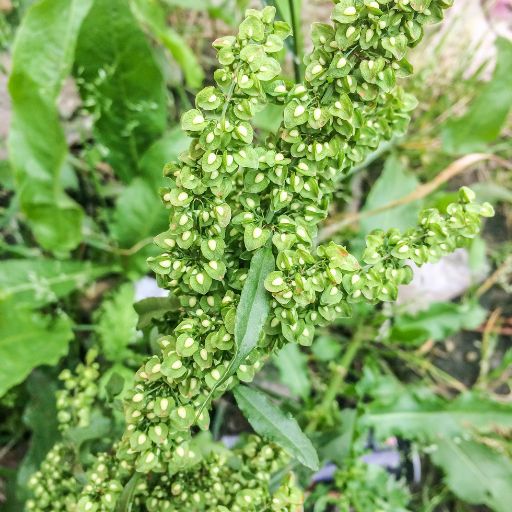
- Origin & History: Found in Europe, Asia, and North America; foraged as a wild edible.
- Appearance: Large green leaves with reddish stems.
- Taste & Aroma: Sour, tangy, earthy.
- Culinary Uses: Soups, stews, sautés, teas.
- Health Benefits: High in iron; supports digestion.
- Fun Fact: Young leaves are eaten like spinach, while older ones are too bitter.
Conclusion
From the tang of yellow mustard seeds to the refreshing lift of yerba buena, the letter Y shows that even a small set of ingredients can carry big character. These spices, seasonings, and herbs bridge continents and traditions, proving that flavor often hides in unexpected places. Next, we’ll close the alphabet with Z, where zesty, vibrant ingredients bring the series to a flavorful finale.
