

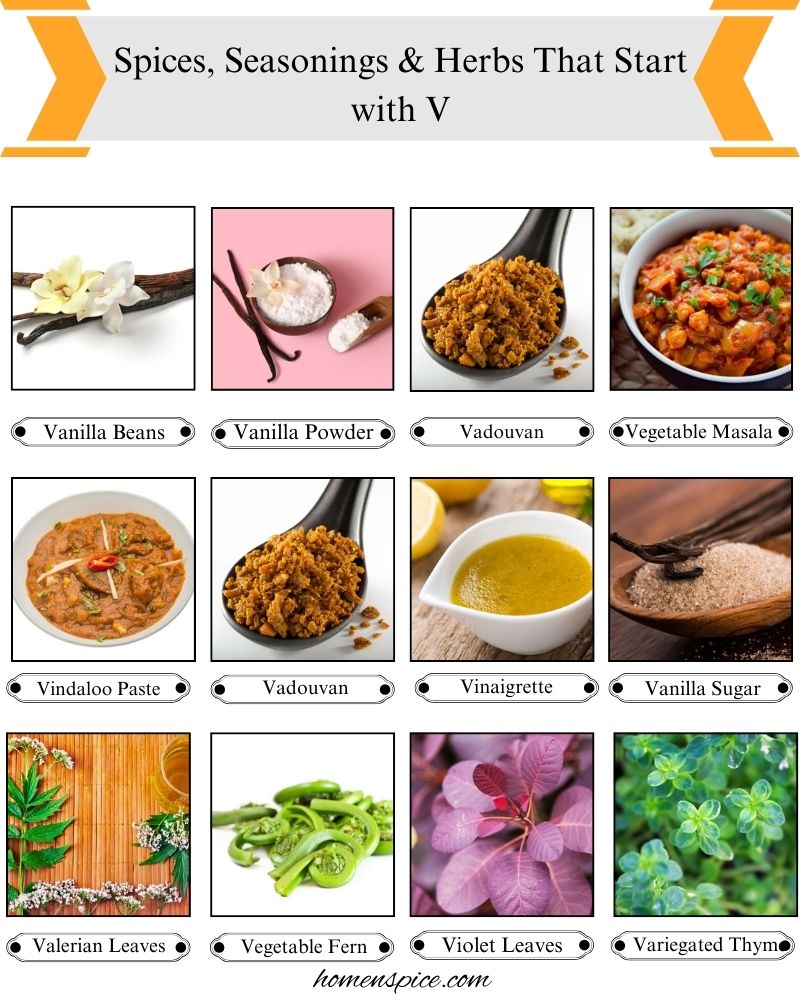
The letter V feels vibrant right from the start. It’s the green of valerian leaves steeping into a calming brew, the brightness of Vietnamese coriander tossed into a salad, the sweet depth of vanilla beans perfuming desserts. These are ingredients that stand out, not just for their flavor but for the stories they carry from gardens, forests, and faraway kitchens.
What makes V-ingredients special is their variety. Some are delicate and soothing, others bold enough to transform a dish with just a pinch. In this guide, we’ll explore the spices, seasonings, and herbs that start with V—each one a reminder that food isn’t just nourishment, it’s also about vibrancy and delight.
Spices that Start with V
1. Vanilla
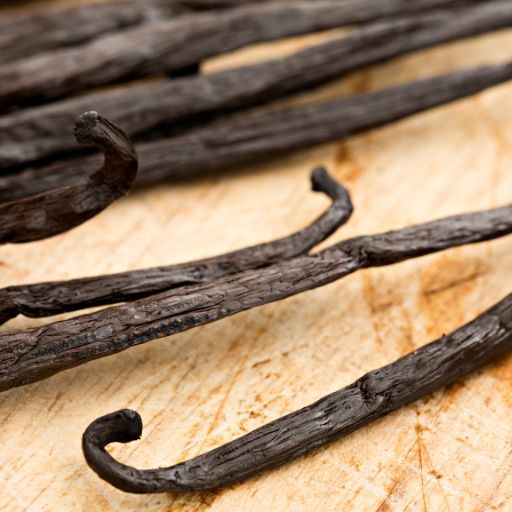
- Origin & History: Native to Mexico; the Aztecs flavored chocolate with it long before it reached Europe.
- Appearance: Long, dark brown pods filled with tiny black seeds.
- Taste & Aroma: Sweet, floral, creamy, with a hint of spice.
- Culinary Uses: Desserts, custards, ice cream, beverages, sauces.
- Health Benefits: Contains antioxidants; can promote relaxation.
- Fun Fact: Vanilla is the second most expensive spice in the world after saffron.
2. Voatsiperifery Pepper
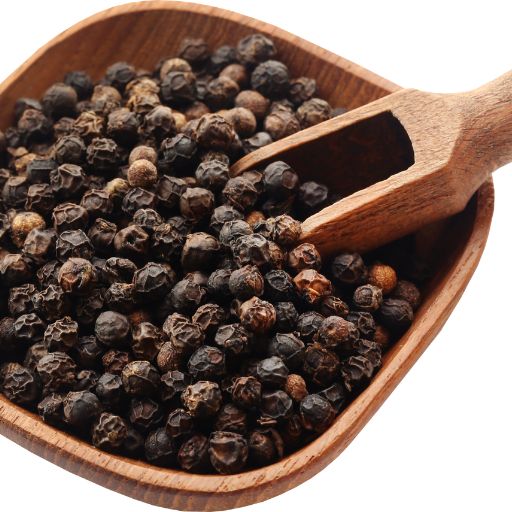
- Origin & History: Wild pepper native to Madagascar.
- Appearance: Small black peppercorns with little tails.
- Taste & Aroma: Woody, citrusy, slightly floral.
- Culinary Uses: Meat rubs, sauces, stews, and fine dining dishes.
- Health Benefits: Supports digestion and contains essential oils.
- Fun Fact: Still hand-harvested from climbing vines in Madagascar’s forests.
3. Vietnamese Cinnamon (Saigon Cinnamon)
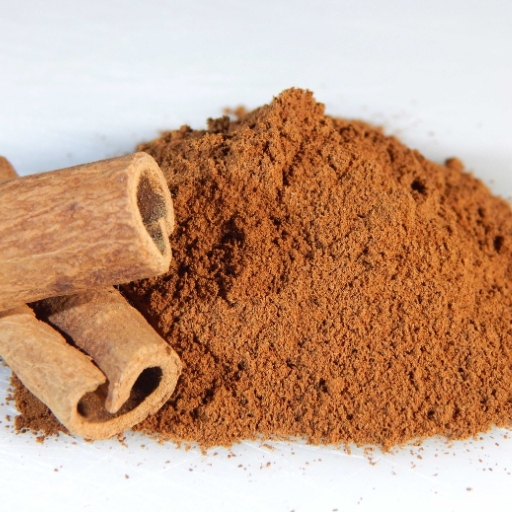
- Origin & History: Grown in Vietnam; prized for its high oil content and strong flavor.
- Appearance: Thick, reddish-brown bark sticks.
- Taste & Aroma: Sweet, spicy, fiery, with strong clove-like notes.
- Culinary Uses: Baked goods, curries, teas, spice blends.
- Health Benefits: Rich in cinnamaldehyde; supports blood sugar balance.
- Fun Fact: Considered the most potent cinnamon variety in the world.
4. Voavanga Seeds (Spanish Tamarind Spice)
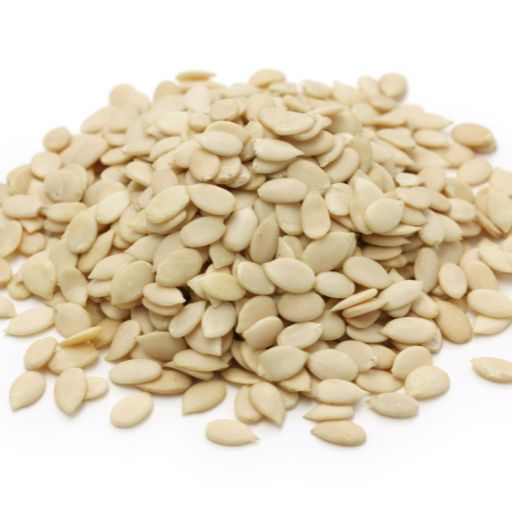
- Origin & History: Native to tropical Africa; fruit and seeds used locally in cooking.
- Appearance: Hard brown seeds from the voavanga fruit.
- Taste & Aroma: Nutty, earthy, mildly tart when ground.
- Culinary Uses: Added to soups, stews, and sauces.
- Health Benefits: Traditionally used for digestion and vitality.
- Fun Fact: The voavanga fruit is also called the “Spanish tamarind.”
5. Velvet Tamarind Powder
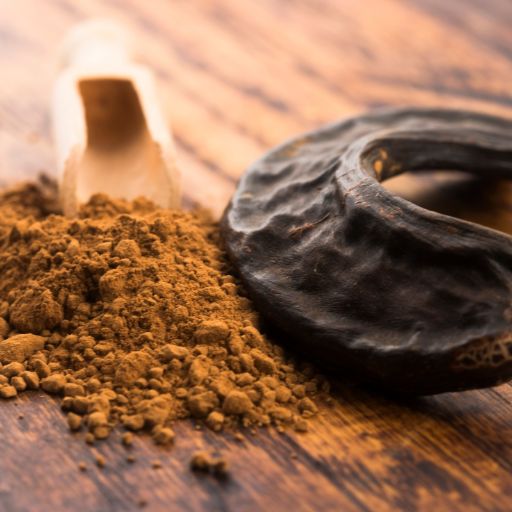
- Origin & History: Found in West Africa and Southeast Asia.
- Appearance: Brown powder made from dried pulp of velvet tamarind pods.
- Taste & Aroma: Sweet-sour, tangy, slightly earthy.
- Culinary Uses: Drinks, chutneys, candies, sauces.
- Health Benefits: High in vitamin C and antioxidants.
- Fun Fact: In Nigeria, velvet tamarind is eaten as a snack straight from the pod.
6. Vaal Dal (Split Lentil Used as Spice)
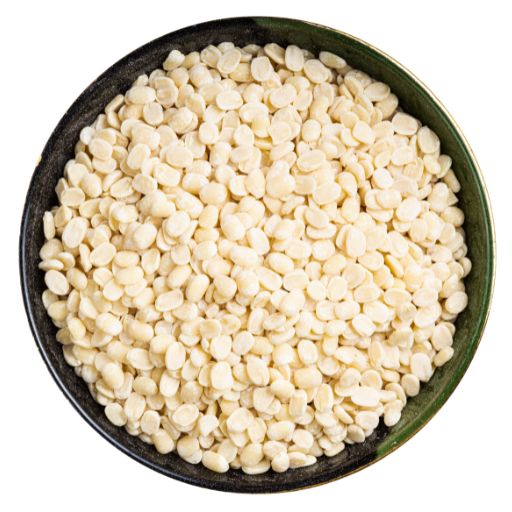
- Origin & History: Common in Indian and South Asian cooking.
- Appearance: Pale cream-colored split lentils.
- Taste & Aroma: Mild, nutty, earthy.
- Culinary Uses: Spice tempering in curries, dals, and pickles.
- Health Benefits: High in protein, fiber, and minerals.
- Fun Fact: Sometimes fried whole as a crunchy spice garnish.
Seasonings that Start with V
1. Vindaloo Paste
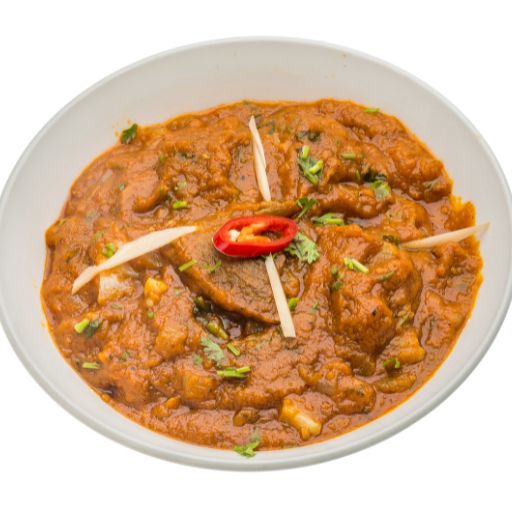
- Origin & History: Originated in Goa, India, influenced by Portuguese cooking.
- Appearance: Thick reddish-brown paste.
- Taste & Aroma: Spicy, tangy, garlicky.
- Culinary Uses: Curries, marinades, stews.
- Health Benefits: Chilies boost metabolism; vinegar aids digestion.
- Fun Fact: The name “vindaloo” comes from the Portuguese dish carne de vinha d’alhos (meat with wine and garlic).
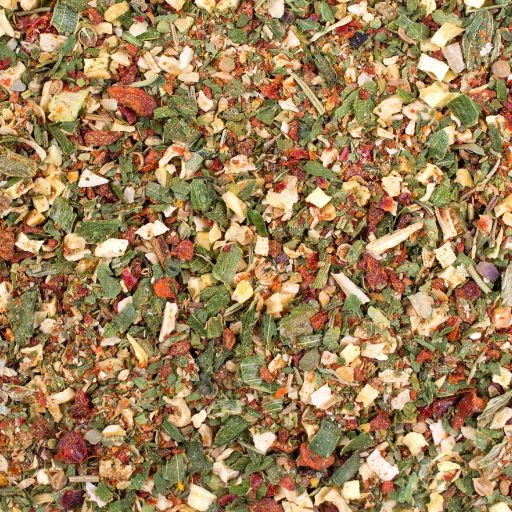
2. Vegetable Seasoning Mix
- Origin & History: Modern pantry staple found worldwide.
- Appearance: Greenish dried herb mix with colorful vegetable flakes.
- Taste & Aroma: Savory, herby, slightly sweet.
- Culinary Uses: Soups, casseroles, roasted vegetables.
- Health Benefits: Adds flavor with little fat or sugar.
- Fun Fact: Often used in instant noodles seasoning packets.
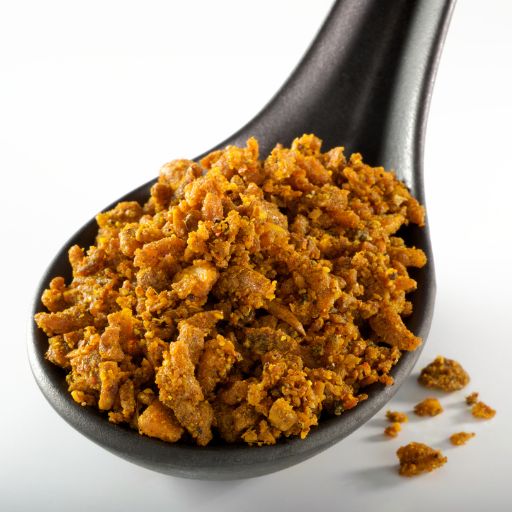
3. Vadouvan (French-Indian Curry Blend)
- Origin & History: A French interpretation of Indian masala, developed during colonial trade.
- Appearance: Golden-brown powder or paste.
- Taste & Aroma: Savory, smoky, onion-forward.
- Culinary Uses: Curries, soups, lentils, roasted meats.
- Health Benefits: Contains turmeric and garlic, both anti-inflammatory.
- Fun Fact: Known as a “French curry,” it’s milder and more aromatic than Indian blends.
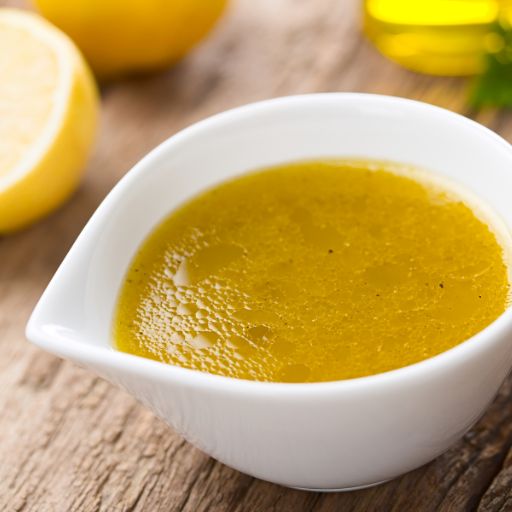
4. Vinaigrette
- Origin & History: French dressing made from oil and vinegar.
- Appearance: Glossy emulsion, pale yellow to brown.
- Taste & Aroma: Tangy, sharp, sometimes sweet.
- Culinary Uses: Salads, marinades, roasted vegetables.
- Health Benefits: Olive oil supports heart health; vinegar aids digestion.
- Fun Fact: Classic French vinaigrette follows a 3:1 oil-to-vinegar ratio.
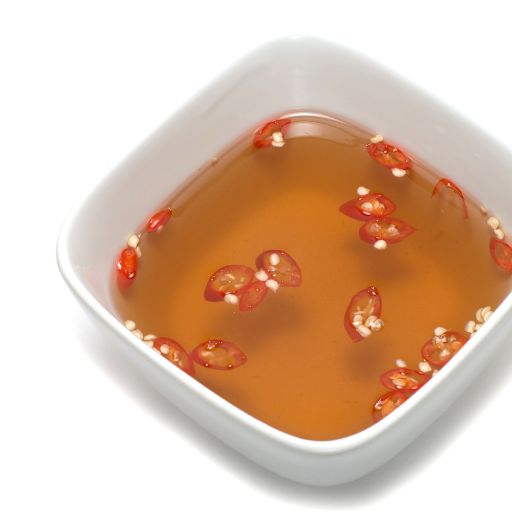
5. Vietnamese Seasoning Sauce (Nuoc Cham)
- Origin & History: Staple in Vietnam; combines fish sauce, lime, sugar, and chili.
- Appearance: Clear amber liquid with flecks of chili.
- Taste & Aroma: Sweet, sour, salty, spicy.
- Culinary Uses: Dipping sauce, marinades, noodle bowls.
- Health Benefits: Lime adds vitamin C; chili boosts circulation.
- Fun Fact: Every Vietnamese household has its own slightly different version.
6. Vanilla Sugar
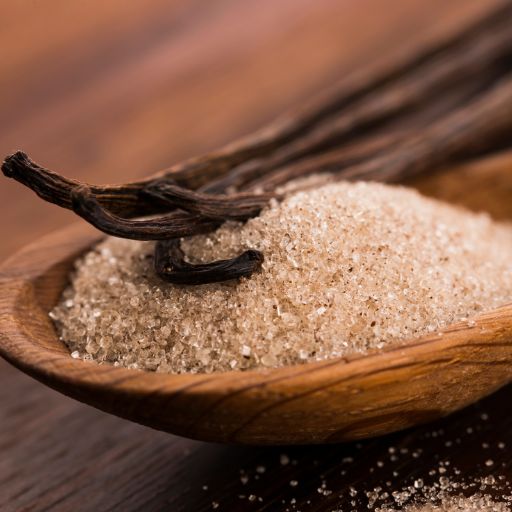
- Origin & History: Popular in European baking, especially Germany and Austria.
- Appearance: White or brown sugar infused with vanilla beans.
- Taste & Aroma: Sweet, floral, aromatic.
- Culinary Uses: Cakes, cookies, coffee, whipped cream.
- Health Benefits: Adds flavor without artificial additives.
- Fun Fact: Widely sold in small sachets across Europe for home bakers.
Herbs that Start with V
1. Vietnamese Coriander (Rau Răm)
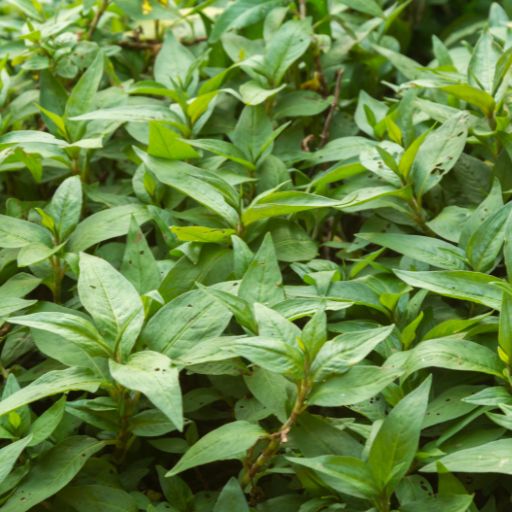
- Origin & History: Native to Southeast Asia; staple in Vietnamese and Cambodian cooking.
- Appearance: Long, narrow green leaves with purple stems.
- Taste & Aroma: Peppery, lemony, slightly spicy.
- Culinary Uses: Salads, soups, rice dishes, fresh rolls.
- Health Benefits: Aids digestion and supports circulation.
- Fun Fact: Often used in place of mint in Vietnamese cuisine.
2. Valerian Leaves
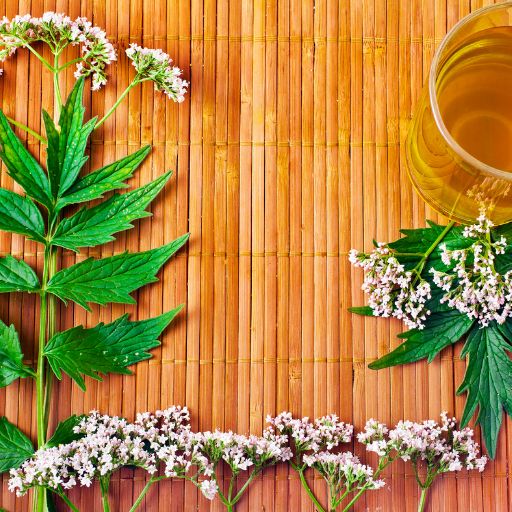
- Origin & History: Native to Europe and Asia; known since ancient Greece.
- Appearance: Long, toothed green leaves.
- Taste & Aroma: Mildly bitter, earthy, herbal.
- Culinary Uses: Teas, soups, stews.
- Health Benefits: Famous for calming and sleep-promoting effects.
- Fun Fact: While the root is medicinal, the leaves are sometimes used in rustic cooking.
3. Vegetable Fern (Diplazium esculentum)
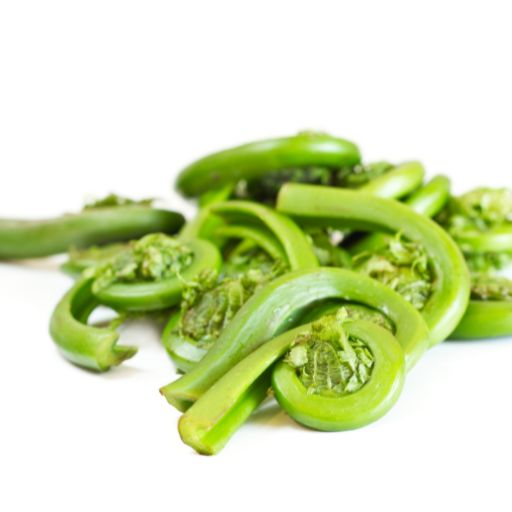
- Origin & History: Popular in Southeast Asia and the Pacific Islands.
- Appearance: Tender green fronds.
- Taste & Aroma: Mild, grassy, slightly nutty.
- Culinary Uses: Stir-fries, curries, salads.
- Health Benefits: Rich in fiber and antioxidants.
- Fun Fact: Often foraged fresh from wild riverbanks.
4. Violet Leaves
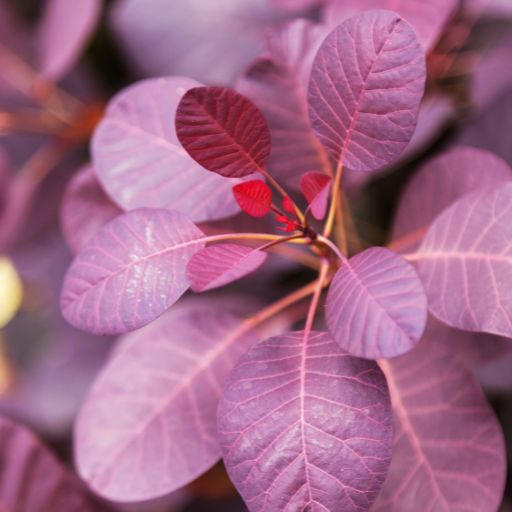
- Origin & History: Common in Europe and North America; used since medieval times.
- Appearance: Heart-shaped green leaves.
- Taste & Aroma: Mild, slightly sweet, grassy.
- Culinary Uses: Salads, soups, syrups, teas.
- Health Benefits: High in vitamin C and soothing for coughs.
- Fun Fact: Candied violet leaves were a Victorian delicacy.
5. Variegated Thyme
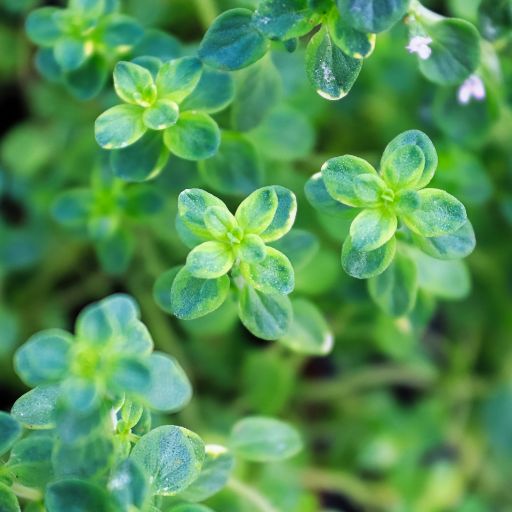
- Origin & History: A cultivated variety of thyme; Mediterranean origins.
- Appearance: Small green leaves edged with creamy yellow.
- Taste & Aroma: Earthy, lemony, slightly peppery.
- Culinary Uses: Marinades, roasts, sauces, stuffings.
- Health Benefits: Antimicrobial and good for digestion.
- Fun Fact: Popular in both cooking and ornamental gardens.
6. Verdolaga (Purslane)
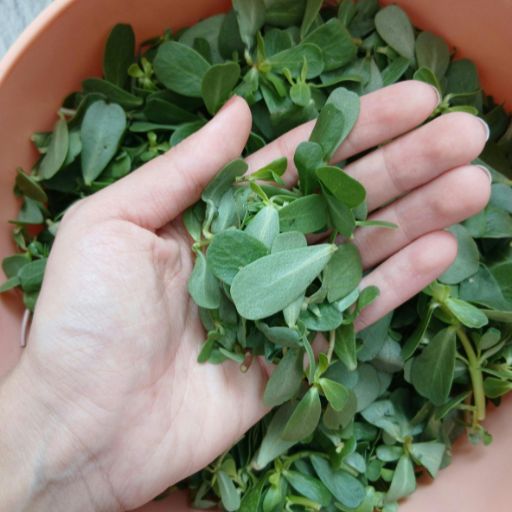
- Origin & History: Native to Asia and the Mediterranean; widely eaten in Latin America.
- Appearance: Succulent green leaves with reddish stems.
- Taste & Aroma: Lemon-tart, slightly salty.
- Culinary Uses: Salads, stews, tacos, soups.
- Health Benefits: Excellent source of omega-3 fatty acids and vitamin A.
- Fun Fact: In Mexico, it’s a common addition to pork stews.
Conclusion
From the sweetness of vanilla to the fiery kick of vindaloo paste and the peppery freshness of Vietnamese coriander, the letter V proves that even a small group of ingredients can bring big personality to the kitchen. These spices, seasonings, and herbs may be fewer in number, but they stand out for their boldness and charm. Next, we’ll wander into W, where warming blends and wild herbs open up a whole new set of flavors.
